
Comprehensive Eye Exams
Workplace Occupational Vision Evaluation Guide

FSDAVCFEBFEVSDDVFSD
FSDAVCFEBFEVSDDVFSD
FSDAVCFEBFEVSDDVFSD
Why Standard Exams Are Not Always Enough
A routine eye exam checks prescription needs and general eye health, but it may not fully answer whether your vision is meeting the specific demands of your job. Some occupations require more than seeing 20/20 on a chart. They depend on depth perception, sustained screen stamina, contrast sensitivity, side awareness, color discrimination, rapid focus changes, or visual comfort during long hours of precision work and overall visual performance for work. That is where an occupational vision evaluation becomes useful.
Instead of asking only whether your glasses prescription is current, a workplace vision exam evaluates work eye performance and Workplace Vision Safety issues like visual strain.
A routine eye exam checks prescription needs and general eye health, but it may not fully answer whether your vision is meeting the specific demands of your job. Some occupations require more than seeing 20/20 on a chart. They depend on depth perception, sustained screen stamina, contrast sensitivity, side awareness, color discrimination, rapid focus changes, or visual comfort during long hours of precision work and overall visual performance for work. That is where an occupational vision evaluation becomes useful.
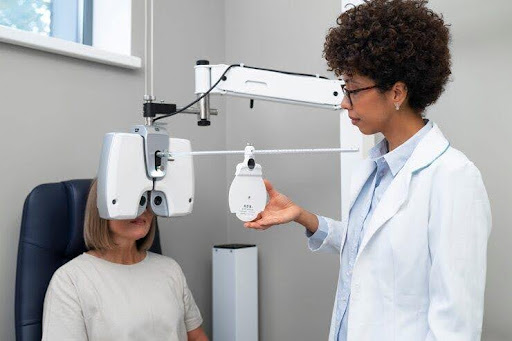
Instead of asking only whether your glasses prescription is current, a workplace vision exam evaluates work eye performance and Workplace Vision Safety issues like visual strain.
Which Jobs Often Benefit Most
Occupational vision evaluation and job-specific eye testing can be valuable in many fields, especially where visual errors can have serious consequences. Drivers, pilots, machine operators, law enforcement, electricians, welders, healthcare workers, office professionals, and individuals in inspection or assembly roles all place different demands on vision than a standard eye chart measures. Even strong general eyesight may not be enough if the job requires stamina, rapid focus changes, or reliable peripheral awareness.
Screen-heavy jobs also deserve attention. Many workers spend long hours switching between monitors, phones, documents, and meetings. This may not seem like high visual demand, but extended screen use can reveal issues such as dry eye, poor posture effects, reduced focusing flexibility, and eye alignment strain that impact comfort and productivity. The issue is not always blur—often it is gradual visual fatigue that affects performance and overall visual performance for work.
The key question is not whether a job sounds technical, but whether it depends on consistent visual performance. If headaches, near-task fatigue, visual discomfort, or difficulty sustaining attention are affecting work, job-specific eye testing can provide clearer answers than simply updating a prescription.
What Skills May Be Tested
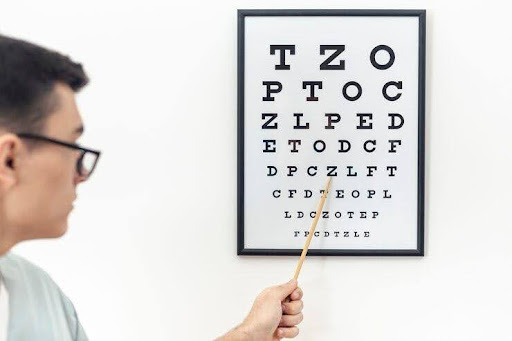
Depending on the job, occupational vision evaluations may look beyond standard acuity and include safety vision testing elements such as depth perception, peripheral awareness, contrast sensitivity, color vision, eye teaming, focusing flexibility, glare response, or how well the eyes handle prolonged near tasks. The exact mix depends on what the employee actually does in their specific role and daily work environment.
This is why the work history matters so much. The doctor needs to know whether the problem is reading tiny labels, scanning multiple monitors,
tolerating bright light, spotting hazards in side view, or staying visually comfortable during repetitive tasks. A meaningful occupational vision evaluation matches the testing to the work rather than applying the same assumptions to every profession, ensuring results are relevant, practical, and directly connected to real job demands and visual performance for work in different settings.
Patients are often surprised to learn how many workplace complaints have a visual component even when they do not think their “eyesight” is the issue. Headaches late in the shift, fatigue during computer work, trouble reading labels under certain lighting, or slower-than-expected performance on detail-heavy tasks can all reflect visual stress rather than lack of effort or general tiredness. These symptoms often build gradually and may be mistaken for stress, sleep issues, or posture problems instead of vision-related strain.
That is why it helps to come prepared with specific examples. Knowing which part of the day feels hardest, what lighting or distances are involved, and whether symptoms improve away from work helps the exam become much more useful. The better the work description, the easier it is to connect symptoms with the right kind of workplace vision exam and support. This allows the clinician to match testing and recommendations more accurately to real job demands and improve visual comfort and performance for work over time.
What the Evaluation Can Change
The outcome of an occupational vision evaluation is not always a completely new prescription. Sometimes the answer is updated task-specific eyewear, better computer prescription design, dry eye treatment, lighting changes, protective lens features, or visual ergonomics that reduce strain and improve Workplace Vision Safety. In other cases, the exam may uncover binocular vision issues, contrast problems, or work-specific limitations that were never addressed in a routine vision check.
This is what makes the evaluation practical. The goal is not to add unnecessary testing. It is to identify what visual barrier is affecting safety, comfort, or performance and then recommend something targeted enough to matter at work. For some people, that means different glasses for different tasks. For others, it means finally understanding why they are exhausted by the end of the day even though their prescription looked “fine.”
Why Job Details Matter So Much
Two people can have the same prescription and very different visual needs at work. One may need sharp intermediate vision across multiple screens, while another needs strong side awareness and fast focus changes to respond quickly in dynamic environments and safety-sensitive tasks.
That is why job-specific detail is essential. Without it, the exam may miss the real conditions that trigger symptoms or reduce performance during the workday, leading to incomplete understanding of visual strain and less effective recommendations for improvement.
Two people can have the same prescription and very different visual needs at work. One may need sharp intermediate vision across multiple screens, while another needs strong side awareness and fast focus changes to respond quickly in dynamic environments and safety-sensitive tasks.
That is why job-specific detail is essential. Without it, the exam may miss the real conditions that trigger symptoms or reduce performance during the workday, leading to incomplete understanding of visual strain and less effective recommendations for improvement.

A good occupational vision evaluation is built around actual job tasks, distances, lighting, and safety demands. The more specific the work description, the more relevant the recommendations can be for improving comfort, accuracy, and overall visual performance for work in real daily conditions.
Matching Vision to Real Work Demands
Occupational vision evaluations are most valuable when patients stop thinking only in terms of “Do I need stronger glasses?” and start asking whether their vision is supporting the way they actually work. Many jobs place repetitive, high-demand stress on the visual system without making the connection obvious. A worker may blame fatigue, poor concentration, or awkward posture when the real issue is unaddressed visual strain, glare, dryness, or an eyewear design that is wrong for task distance. A targeted workplace vision exam helps uncover those patterns in a way a general exam may not fully explore unless the work demands are clearly discussed.
That does not mean everyone needs specialized testing. But when work performance, comfort, or safety depends heavily on vision, a more specific occupational vision evaluation can be extremely helpful in identifying functional limitations that are not always visible in routine testing.
It can clarify whether the answer is task-specific correction, workstation changes, ocular surface treatment, protective recommendations, or further functional testing. Each of these solutions addresses different contributors to reduced visual performance, helping tailor care to real-world job requirements.
The value comes from matching the assessment to the real-world job instead of assuming a general prescription check tells the whole story. For many workers, that shift is what finally makes the vision plan feel relevant to daily life instead of generic. It connects symptoms directly to workplace demands, improves comfort during long tasks, reduces unnecessary strain, and supports better productivity and safety across different job environments and visual challenges over time.
Questions to Ask About Work Vision
Ask whether your job places visual demands that go beyond a routine eye exam. That question opens the door to discussing your actual tasks rather than focusing only on a basic glasses update or prescription check, helping connect vision care to real workplace needs.
It is also helpful to ask which visual skills matter most for your work, such as screen endurance, side awareness, glare control, color discrimination, or quick focus changes. That helps you understand why certain tests or recommendations may be relevant and how they relate to your daily performance and comfort at work.
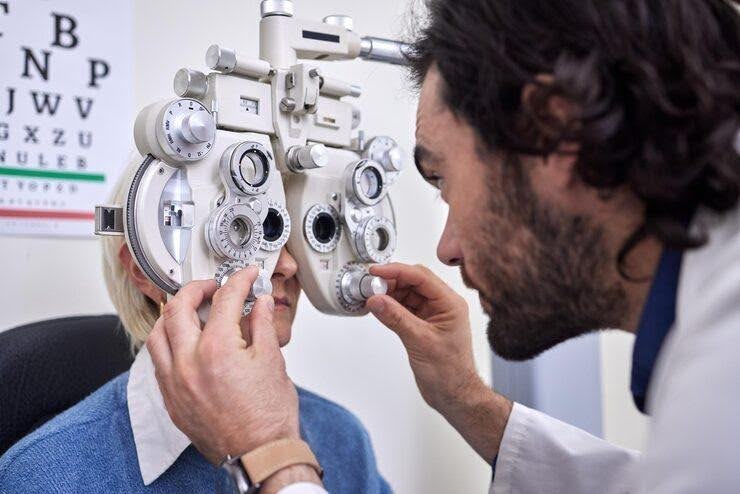
Ask whether your job places visual demands that go beyond a routine eye exam. That question opens the door to discussing your actual tasks rather than focusing only on a basic glasses update or prescription check, helping connect vision care to real workplace needs.
It is also helpful to ask which visual skills matter most for your work, such as screen endurance, side awareness, glare control, color discrimination, or quick focus changes. That helps you understand why certain tests or recommendations may be relevant and how they relate to your daily performance and comfort at work.
Finally, ask whether your symptoms point more toward prescription issues, dry eye, ergonomics, or binocular strain. Clear priorities make it easier to decide what changes are most likely to help at work first and guide treatment toward improving visual comfort, reducing strain, and supporting better productivity throughout the day.
Your Next Steps Before Your Visit
Before your appointment, write down the visual demands of your job as specifically as you can. Note your typical working distances, how many hours you spend on screens, whether lighting or glare is a problem, and which symptoms interfere most with work. Bring your current glasses and any task-specific eyewear you already use. That information helps your doctor tailor the evaluation to your actual workday.
If your job depends on sustained visual performance, Kleinwood Vision can assess whether a routine prescription update is enough or whether job-specific eye testing and safety vision testing would better support your comfort, productivity, and Workplace Vision Safety. A detailed evaluation, including a comprehensive eye exam Houston patients trust, ensures the right approach. If you have concerns, Contact us to schedule your visit and get personalized recommendations for your work environment.
Contact Info
Hours of Operation
Mon - Fri | 9:00 AM - 5:00 PM
Sat - Sun | Closed
Holiday Hours: We are closed for the following holidays: New Years Day, Memorial Day, Independence Day, Labor Day, Thanksgiving Day, Christmas Day
The information provided on this website is for general informational purposes only and does not constitute professional medical advice, diagnosis, or treatment. Always seek the guidance of a licensed eye care professional or qualified health provider with any questions you may have regarding a medical condition or vision concern. Results from eye care services may vary by individual.
© 2026 Kleinwood Vision. All rights Reserved.