
NeuroLens
NeuroLens vs Regular Prescription Glasses

FSDAVCFEBFEVSDDVFSD
FSDAVCFEBFEVSDDVFSD

FSDAVCFEBFEVSDDVFSD
Clear Vision Doesn’t Always Mean Comfort
Regular prescription glasses correct refractive errors such as nearsightedness, farsightedness, and astigmatism. For many patients, this correction provides clear and stable vision. However, some adults still experience headaches, eye pressure, screen fatigue, neck tension, or reading discomfort even when vision is clear. This often raises concerns about why “good” glasses do not always feel comfortable during daily tasks.
A comprehensive eye exam can determine whether symptoms involve more than prescription needs alone. NeuroLens vs regular glasses becomes important when headaches continue despite clear vision. A NeuroLens eye exam Houston patients schedule may identify whether eye alignment strain increases effort during reading, screens, and near work, affecting comfort and performance.
Regular prescription glasses correct refractive errors such as nearsightedness, farsightedness, and astigmatism. For many patients, this correction provides clear and stable vision. However, some adults still experience headaches, eye pressure, screen fatigue, neck tension, or reading discomfort even when vision is clear. This often raises concerns about why “good” glasses do not always feel comfortable during daily tasks.
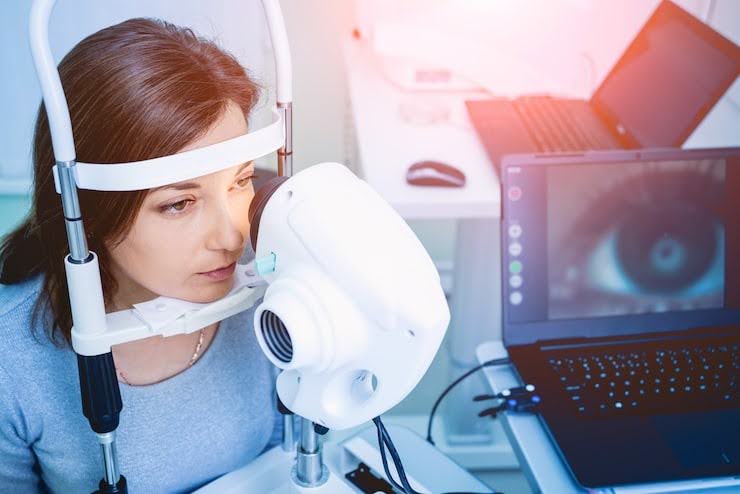
A comprehensive eye exam can determine whether symptoms involve more than prescription needs alone. NeuroLens vs regular glasses becomes important when headaches continue despite clear vision. A NeuroLens eye exam Houston patients schedule may identify whether eye alignment strain increases effort during reading, screens, and near work, affecting comfort and performance.
How NeuroLens Differs from Standard Lenses
Standard prescription lenses focus mainly on refractive correction. Their purpose is to sharpen vision based on the eye’s focusing error, but they do not correct subtle alignment stress between the eyes. If the eyes are slightly misaligned, the visual system may work harder during reading, computer use, and prolonged close tasks, even when vision appears sharp. This extra effort can lead to headaches, eye strain, neck tension, or fatigue despite an accurate prescription.
NeuroLens lenses work differently because they include contoured prism technology designed to reduce strain caused by binocular misalignment. These eye alignment glasses aim not only to improve clarity but also to reduce the effort required for the eyes to work together comfortably. Patients experiencing NeuroLens eye strain symptoms often notice that near work becomes less tiring once alignment stress is reduced more directly.
This is why NeuroLens vs regular glasses is not just about which lens is better. The key question is whether standard glasses address the true source of discomfort. If binocular strain contributes to headaches with current glasses, refractive correction alone may leave an important part of the problem untreated even when vision is clear during daily reading, screen use, and close visual tasks.
Signs Standard Glasses May Not Be Enough

One of the biggest warning signs is when symptoms continue even after a recent prescription update. Patients may explain that their glasses provide clear vision but still leave them with headaches after screens, eye pressure, reading fatigue, or neck tension during desk work. Others describe the feeling that near tasks simply require too much effort despite otherwise acceptable distance vision throughout most of the day.
These symptoms do not automatically mean NeuroLens is the correct answer, but they do suggest the issue may involve more than ordinary refractive correction alone. A NeuroLens eye exam Houston providers perform becomes more useful when the complaint centers on discomfort, fatigue, or visual strain rather than blur itself.
Understanding when standard glasses are not enough often begins with recognizing that clarity and comfort are not always the same thing during prolonged visual work and screen-heavy routines overall.
Patients sometimes assume there is nothing left to investigate if their prescription was updated recently. However, prescription accuracy and visual comfort are not exactly the same issue. Someone can have sharp vision and still feel exhausted by near work if the eyes are constantly overcompensating to maintain alignment during prolonged reading or screen use. That distinction is often overlooked when symptoms are blamed entirely on screen time or stress.
This is one reason patients repeatedly adjust monitor settings, lens coatings, posture, or reading habits without experiencing meaningful relief. They are attempting to solve a comfort problem using tools that may not address the underlying mechanism. Understanding how NeuroLens vs regular glasses differs helps many patients realize why headaches with current glasses can persist despite technically clear correction. Recognizing the role of binocular strain often makes the conversation about eye alignment glasses feel much more logical and clinically grounded rather than simply sounding like another premium lens upgrade option marketed for general comfort alone unnecessarily.
When NeuroLens Is Worth Asking About
NeuroLens is worth discussing when your main symptoms involve headaches, eye pressure, screen fatigue, reading discomfort, or visual exhaustion that continues despite otherwise decent vision in standard glasses. Patients who spend long hours working on computers, paperwork, tablets, or other sustained near tasks are often the most likely to notice these problems because close work exposes binocular strain more consistently than casual distance activities do throughout the day.
The key is that NeuroLens should be recommended through proper testing rather than symptom marketing alone. If screening measurements show that eye misalignment is contributing meaningfully to what you are experiencing, NeuroLens may provide something ordinary lenses cannot. If not, the comprehensive eye exam can still identify other contributing factors such as dry eye symptoms, ergonomics, or prescription drift. Either way, asking whether standard glasses are not enough can help move the conversation toward a more accurate explanation and more practical treatment direction overall.
Why The Difference Between Them Matters
The difference between NeuroLens and regular glasses matters because the lenses are designed to solve different problems. One primarily focuses on visual clarity alone, while the other may also help reduce strain caused by subtle eye misalignment during near tasks.
That distinction explains why some patients continue feeling uncomfortable in perfectly clear glasses. The issue may not involve what they can see but how hard their visual system must work to maintain comfortable focus and alignment throughout prolonged reading or screen use each day.
The difference between NeuroLens and regular glasses matters because the lenses are designed to solve different problems. One primarily focuses on visual clarity alone, while the other may also help reduce strain caused by subtle eye misalignment during near tasks.
That distinction explains why some patients continue feeling uncomfortable in perfectly clear glasses. The issue may not involve what they can see but how hard their visual system must work to maintain comfortable focus and alignment throughout prolonged reading or screen use each day.
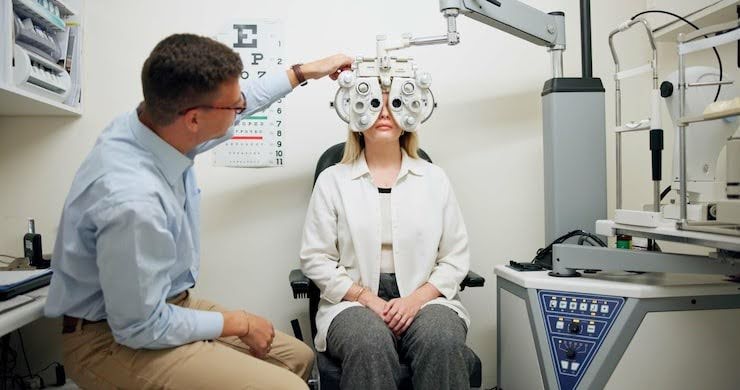
Understanding this difference helps make treatment decisions much more precise. Patients can stop asking only whether they need stronger lenses and begin asking whether their current glasses are solving the right problem at all during demanding visual routines and daily screen-heavy work environments overall.
Why Better Answers Improve Visual Comfort
NeuroLens and regular glasses are not competing solutions for every patient. Standard prescription lenses remain the correct option for many people because their main need is simple refractive correction rather than binocular alignment support. However, for patients whose symptoms revolve around headaches, reading fatigue, pressure around the eyes, or screen strain despite clear vision, the difference becomes far more important. In these situations, the issue may involve how much effort the eyes are using together rather than how sharp the prescription appears alone.
A comprehensive eye exam combined with NeuroLens testing helps clarify whether ordinary correction is fully addressing the patient’s discomfort or only improving clarity. Many adults feel relieved once they understand why headaches with current glasses can continue even after multiple prescription updates. The explanation often helps patients realize they are not imagining their symptoms or failing to adapt properly to their lenses over time.
This understanding also prevents patients from cycling endlessly through ordinary glasses changes that never completely solve the underlying strain. Instead of repeatedly changing coatings, monitor setups, or lens brands without success, patients can focus on whether eye alignment glasses are appropriate based on actual measurements and symptom patterns. That approach keeps treatment decisions more targeted and avoids unnecessary frustration during long-term visual care planning.
Even when NeuroLens is not the right solution, the evaluation still provides useful information. Identifying whether symptoms relate more to dry eye, ergonomics, prescription changes, or binocular strain allows patients to move forward with much greater confidence and a clearer understanding of what type of care is most likely to improve daily comfort and reduce visual fatigue over time.
Questions to Ask During the Exam
Ask whether your symptoms sound more related to prescription issues, dry eye symptoms, or binocular strain. Understanding which category appears most suspicious helps clarify whether NeuroLens vs regular glasses is even the right discussion for your specific situation and visual demands during everyday activities overall.
It is also useful to ask whether your current glasses are providing clear vision while still leaving too much visual effort during reading or prolonged near work. That distinction is often the key issue when determining when standard glasses are not enough for long screen-heavy routines and visually demanding tasks.
Ask whether your symptoms sound more related to prescription issues, dry eye symptoms, or binocular strain. Understanding which category appears most suspicious helps clarify whether NeuroLens vs regular glasses is even the right discussion for your specific situation and visual demands during everyday activities overall.
It is also useful to ask whether your current glasses are providing clear vision while still leaving too much visual effort during reading or prolonged near work. That distinction is often the key issue when determining when standard glasses are not enough for long screen-heavy routines and visually demanding tasks.
Finally, ask what findings during screening would make NeuroLens a reasonable recommendation in your case specifically. Understanding why the doctor may suggest eye alignment glasses makes the decision feel far more practical, personalized, and grounded in measurable visual findings rather than general assumptions about discomfort or technology trends alone over time.
Your Next Steps Before Your Visit
Before your appointment, think carefully about what your current glasses are not solving. Note whether the problem involves headaches, reading fatigue, screen discomfort, eye pressure, or the feeling that close work requires too much effort even though your vision appears clear. Bring your current glasses and be prepared to describe which tasks feel most difficult and when symptoms tend to appear most consistently throughout the day.
If standard glasses are not providing enough comfort, Kleinwood Vision can perform a comprehensive eye exam and evaluate whether NeuroLens may help reduce visual strain more effectively. Whether symptoms involve headaches with current glasses, prolonged screen fatigue, or other binocular stress patterns, clearer answers often make the next step much easier. Ready to understand whether your lenses are addressing the full problem? Contact us to schedule your evaluation today.
Contact Info
Hours of Operation
Mon - Fri | 9:00 AM - 5:00 PM
Sat - Sun | Closed
Holiday Hours: We are closed for the following holidays: New Years Day, Memorial Day, Independence Day, Labor Day, Thanksgiving Day, Christmas Day
The information provided on this website is for general informational purposes only and does not constitute professional medical advice, diagnosis, or treatment. Always seek the guidance of a licensed eye care professional or qualified health provider with any questions you may have regarding a medical condition or vision concern. Results from eye care services may vary by individual.
© 2026 Kleinwood Vision. All rights Reserved.