
NeuroLens Care
NeuroLens Solutions Designed for Teachers

FSDAVCFEBFEVSDDVFSD

FSDAVCFEBFEVSDDVFSD

FSDAVCFEBFEVSDDVFSD
Why Teaching Is Visually Demanding
Teaching requires constant visual shifts throughout the day. Educators move their focus between whiteboards, projectors, lesson materials, student desks, laptops, and tablets, often without pause. These repeated distance changes place continuous stress on the eye alignment system, especially during long instructional periods, leading to fatigue and discomfort.
Over time, even small alignment imbalances can contribute to headaches, eye strain, and difficulty maintaining focus. Many teachers assume this discomfort is simply part of the profession, but classroom headaches and vision issues often stem from binocular vision strain. Comprehensive eye exams can identify these problems, allowing for effective solutions that relieve symptoms and improve comfort, focus, and overall classroom performance.
Teaching requires constant visual shifts throughout the day. Educators move their focus between whiteboards, projectors, lesson materials, student desks, laptops, and tablets, often without pause. These repeated distance changes place continuous stress on the eye alignment system, especially during long instructional periods, leading to fatigue and discomfort.
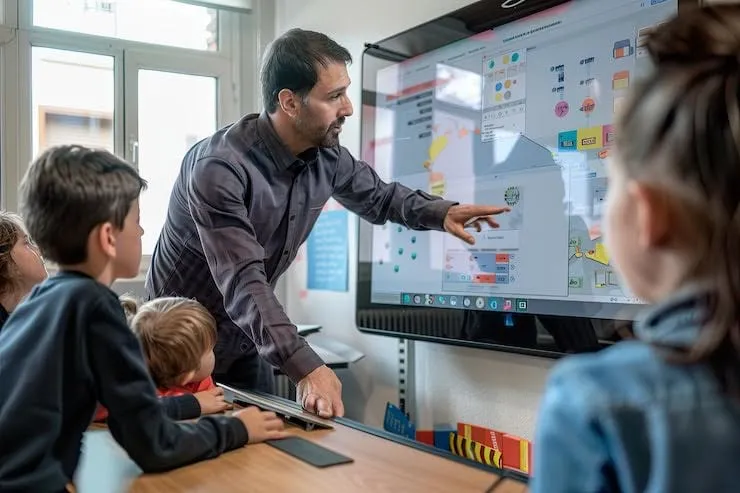
Over time, even small alignment imbalances can contribute to headaches, eye strain, and difficulty maintaining focus. Many teachers assume this discomfort is simply part of the profession, but classroom headaches and vision issues often stem from binocular vision strain. Comprehensive eye exams can identify these problems, allowing for effective solutions that relieve symptoms and improve comfort, focus, and overall classroom performance.
How NeuroLens Supports Classroom Vision
NeuroLens lenses use advanced contoured prism technology to correct eye misalignment across multiple viewing distances, providing targeted support for teachers throughout the school day. Educators frequently shift focus between whiteboards, classroom screens, grading papers, lesson materials, and student interactions, often without pause. These repeated visual transitions place continuous strain on the eye alignment system, which can lead to fatigue, headaches, and difficulty maintaining focus during long instructional periods. NeuroLens supports the eyes as they move naturally between near, intermediate, and distance tasks, helping teachers work comfortably for extended periods.
Unlike traditional prism lenses that address only a single distance, NeuroLens provides continuous alignment support across all focal ranges. This makes the lenses especially effective for teachers managing mixed visual tasks. By reducing the cumulative stress on eye muscles, NeuroLens helps prevent headaches, eye fatigue, and vision-related discomfort, allowing educators to maintain clear, comfortable vision and focus throughout the day.
NeuroLens prescriptions are customized using data from the NeuroLens Measurement Device during a NeuroLens eye exam Houston providers offer. This precise measurement ensures alignment correction matches the real-world demands teachers face daily, delivering individualized support that promotes long-term comfort, reduced eye strain, and improved classroom performance.
Explaining Common Symptoms Experienced by Teachers

Teachers frequently report afternoon headaches, eye soreness, neck tension, light sensitivity, and difficulty refocusing after grading papers or prolonged screen use. These symptoms typically develop gradually and worsen as the day progresses rather than appearing suddenly. Many educators assume this discomfort is just part of the profession, but it often stems from cumulative stress on the eye alignment system. Recognizing that these issues build over time is key to understanding when professional evaluation is necessary.
Effective teacher eye strain relief begins with identifying alignment stress rather than pushing through fatigue until symptoms become disruptive.
Addressing misalignment early can reduce headaches, eye fatigue, and discomfort while improving focus and productivity in the classroom. Comprehensive assessments, such as a NeuroLens eye exam, allow for personalized solutions that target binocular vision strain. Early intervention supports long-term comfort, eye health, and sustained performance throughout demanding school days.
Tracking symptoms by time of day helps doctors identify patterns and better understand when and how teacher eye strain occurs. Noting whether discomfort begins after lunch, during grading periods, or near dismissal provides valuable insight into how fatigue and visual demands affect daily performance. This detailed information helps clinicians determine the most effective strategies for managing work-related eye fatigue and addressing alignment stress with NeuroLens® prism lenses. By observing these patterns, doctors can pinpoint the times when teachers are most at risk for headaches, eye soreness, or difficulty refocusing, allowing interventions to be targeted for maximum relief.
Documenting symptom timing also allows for more precise lens customization and classroom-specific recommendations. When doctors understand the specific visual challenges of a teacher’s daily routine, they can tailor prism lenses to support comfort across all focal distances, reduce strain during peak stress periods, and provide practical strategies for minimizing fatigue. This approach ensures that teachers receive individualized solutions that promote long-term eye health, comfort, and sustained classroom performance.
Ergonomic Strategies That Support Classroom Comfort
Small classroom adjustments can significantly reduce visual strain for teachers. Managing projector brightness, minimizing glare from windows, and positioning screens at eye level all help reduce unnecessary eye effort during lessons. By optimizing the visual environment, educators can prevent excessive fatigue and support clear, comfortable vision throughout the school day. These changes work in tandem with optical solutions to enhance overall eye comfort.
Alternating posture during lectures and allowing brief visual resets between classes further supports teacher comfort and reduces cumulative strain. Incorporating short breaks to relax the eyes or adjust focus helps maintain attention and minimize headaches, soreness, and eye fatigue. These practical strategies enhance the effectiveness of NeuroLens rather than replacing optical correction, ensuring teachers experience both immediate relief and long-term support for eye alignment, comfort, and classroom performance.
All-Day Comfort with NeuroLens Lenses
Consistent wear of NeuroLens® lenses is essential for maintaining proper eye alignment throughout the school day. Removing lenses intermittently can allow symptoms to return, as eye muscles begin compensating for misalignment. Continuous support helps reduce strain and promotes comfortable vision during long instructional periods.
Teachers often notice smoother visual transitions, fewer headaches, and reduced end-of-day fatigue when NeuroLens is worn from morning through dismissal. Steady alignment correction prevents cumulative stress that can cause soreness, light sensitivity, or difficulty refocusing after grading or extended screen use.
Consistent wear of NeuroLens® lenses is essential for maintaining proper eye alignment throughout the school day. Removing lenses intermittently can allow symptoms to return, as eye muscles begin compensating for misalignment. Continuous support helps reduce strain and promotes comfortable vision during long instructional periods.
Teachers often notice smoother visual transitions, fewer headaches, and reduced end-of-day fatigue when NeuroLens is worn from morning through dismissal. Steady alignment correction prevents cumulative stress that can cause soreness, light sensitivity, or difficulty refocusing after grading or extended screen use.

Full-day wear provides reliable support during grading, meetings, and after-school activities. Wearing NeuroLens consistently allows educators to maintain comfort, reduce eye fatigue, and stay focused, ensuring both productivity and long-term eye health throughout demanding school routines.
Teachers’ Top Questions About NeuroLens Solutions
Teachers often ask whether NeuroLens® lenses can help with grading headaches, long staff meetings, or eye strain from interactive whiteboards. Understanding how NeuroLens reduces alignment stress and fatigue helps educators see the benefits for daily classroom tasks. Personalized explanations improve comprehension and adoption, giving teachers confidence in using the lenses effectively.
Clear expectations about adaptation time and consistent wear are key for optimal results. Teachers who follow recommended schedules usually notice fewer headaches, smoother visual transitions, and less eye fatigue during the school day. Knowing what to expect ensures comfort and focus improve steadily rather than instantly.
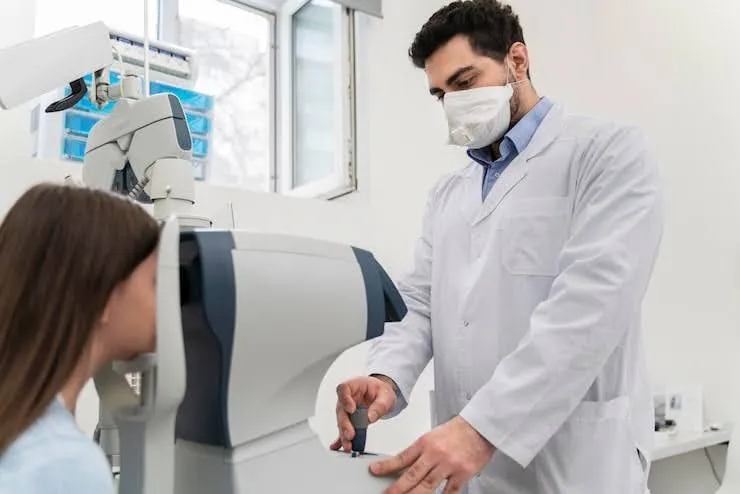
Teachers often ask whether NeuroLens® lenses can help with grading headaches, long staff meetings, or eye strain from interactive whiteboards. Understanding how NeuroLens reduces alignment stress and fatigue helps educators see the benefits for daily classroom tasks. Personalized explanations improve comprehension and adoption, giving teachers confidence in using the lenses effectively.
Clear expectations about adaptation time and consistent wear are key for optimal results. Teachers who follow recommended schedules usually notice fewer headaches, smoother visual transitions, and less eye fatigue during the school day. Knowing what to expect ensures comfort and focus improve steadily rather than instantly.
Comprehensive eye exams allow doctors to address profession-specific concerns. By assessing visual demands and alignment stress, clinicians can customize NeuroLens prescriptions to match the teacher’s routines. This individualized approach ensures lenses provide consistent support for grading, lectures, screen use, and other classroom activities, promoting comfort and long-term eye health.
Teaching Comfortably Without Visual Burnout
Scheduling an evaluation, discussing classroom demands, and wearing NeuroLens® lenses consistently are essential steps toward lasting visual comfort for teachers. Addressing alignment stress reduces daily fatigue, headaches, and eye strain while supporting long-term eye health. By understanding each educator’s unique visual challenges, doctors can provide personalized recommendations tailored to their classroom routines, including grading, screen use, and lectures.
With proper support from Kleinwood Vision, teaching no longer has to mean constant eye discomfort. NeuroLens provides targeted relief that allows teachers to maintain focus, clarity, and productivity throughout long school days. Personalized guidance ensures lenses are worn correctly and adaptation is monitored for optimal results. Contact us to schedule a NeuroLens evaluation and regain visual comfort from morning lessons through end-of-day tasks. Consistent care combined with professional oversight helps educators experience both immediate relief and long-term benefits for sustained eye health.
Contact Info
Hours of Operation
Mon - Fri | 9:00 AM - 5:00 PM
Sat - Sun | Closed
Holiday Hours: We are closed for the following holidays: New Years Day, Memorial Day, Independence Day, Labor Day, Thanksgiving Day, Christmas Day
The information provided on this website is for general informational purposes only and does not constitute professional medical advice, diagnosis, or treatment. Always seek the guidance of a licensed eye care professional or qualified health provider with any questions you may have regarding a medical condition or vision concern. Results from eye care services may vary by individual.
© 2026 Kleinwood Vision. All rights Reserved.