NeuroLens
NeuroLens for Students and Eye Strain

FSDAVCFEBFEVSDDVFSD
FSDAVCFEBFEVSDDVFSD
FSDAVCFEBFEVSDDVFSD
Why Schoolwork Can Feel So Visually Draining
Students spend hours every day focusing on near tasks. Homework, textbooks, laptops, tablets, and phones all require the eyes to maintain steady focus and alignment at close range for long periods of time. When the visual system handles that workload efficiently, students may still feel tired after a long day, but reading and homework generally remain manageable. When the eyes are under additional strain, however, even routine schoolwork can feel far more exhausting than expected.
Students may report headaches during homework, pressure around eyes, or difficulty reading, while parents are surprised they remain motivated academically. A NeuroLens eye exam Houston families trust clarifies binocular strain.
Students spend hours every day focusing on near tasks. Homework, textbooks, laptops, tablets, and phones all require the eyes to maintain steady focus and alignment at close range for long periods of time. When the visual system handles that workload efficiently, students may still feel tired after a long day, but reading and homework generally remain manageable. When the eyes are under additional strain, however, even routine schoolwork can feel far more exhausting than expected.
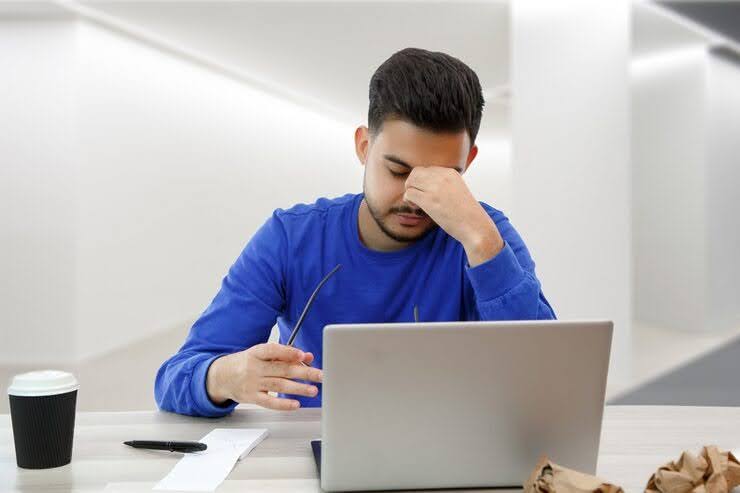
Students may report headaches during homework, pressure around eyes, or difficulty reading, while parents are surprised they remain motivated academically. A NeuroLens eye exam Houston families trust clarifies binocular strain.
How Eye Misalignment Affects Student Endurance
Small eye alignment problems can place extra stress on the visual system during reading and near work. Even when students do not notice obvious double vision or major blur, the eyes may still be compensating behind the scenes to maintain single, clear focus on books, screens, and assignments. Over time, that extra effort can lead to eye strain during homework, headaches, slower reading, reduced focus, and mental fatigue that builds throughout the day.
This often creates confusion for families because the student may still pass school vision screenings or see classroom boards reasonably well. Instead of clear complaints about eyesight, symptoms may appear as frustration with homework, reduced reading stamina, constant movement during assignments, or avoidance of long visual tasks. Students may rub their eyes, lose their place while reading, or say their eyes feel tired before expected.
NeuroLens for students becomes relevant when screening shows measurable binocular misalignment contributing to those symptoms. A NeuroLens eye exam Houston evaluation measures how eyes work together during near tasks and determines whether contoured prism lenses may help reduce visual effort. The goal is to make reading, homework, and device use feel less demanding so students can work more comfortably and efficiently.
Signs a Student May Be Overworking Visually
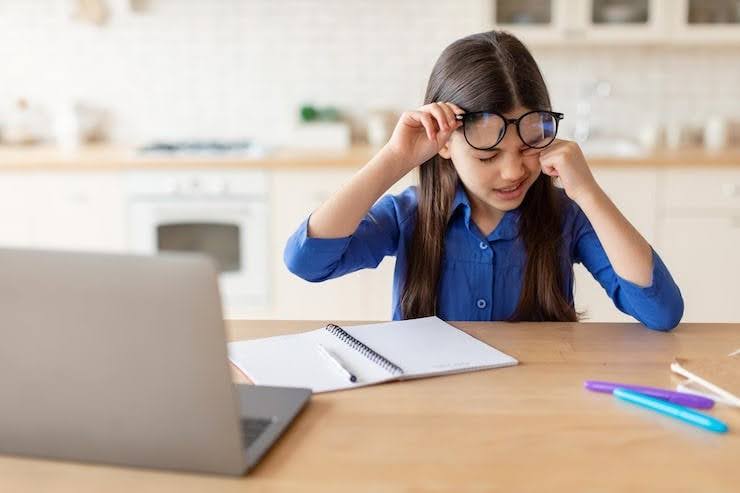
Students experiencing visual strain often show patterns that parents notice before the student fully understands how to describe the problem. Common signs include headaches during homework, eye rubbing, taking frequent breaks while reading, difficulty completing assignments, complaints about tired eyes, or discomfort that increases during prolonged device use. Some students also mention that words seem to move, reading feels harder later in the day, or screens quickly become overwhelming.
These symptoms do not automatically mean NeuroLens is necessary, but they do suggest the visual system deserves closer evaluation.
When symptoms repeatedly appear during homework, reading, and digital tasks, a NeuroLens eye exam can help determine whether the problem involves binocular strain, prescription changes, dry eye, or another issue affecting visual comfort. Understanding the real cause is important because it prevents families from assuming the student simply lacks motivation or concentration.
Families often benefit from looking at the entire daily visual workload rather than focusing only on evening homework. Many students already spend hours using screens and reading at school before they even begin assignments at home. By evening, the eyes may already be fatigued from sustained near work, making homework feel even more draining and frustrating.
Parents can help make the exam more informative by tracking when symptoms begin and which activities trigger them most strongly. It helps to note whether reading causes more discomfort than listening, whether laptops feel harder to tolerate than classroom instruction, and whether headaches improve after visual breaks. These details provide valuable clues about whether device use eye fatigue or binocular strain may be contributing to the student’s difficulties with near tasks. A simple daily log of screen time, reading duration, and symptom intensity can further support accurate evaluation and help the eye doctor identify patterns that might otherwise be missed during a standard visit.
When NeuroLens May Be Worth Discussing
NeuroLens may be worth discussing when a student’s main complaints consistently appear during homework, reading, or prolonged screen use and standard prescription updates have not fully solved the issue. Students who experience ongoing headaches, eye pressure, visual fatigue, or difficulty sustaining attention during near work may benefit from screening for binocular strain, especially if symptoms worsen later in the day.
That does not mean every student with homework complaints needs NeuroLens. The recommendation depends on what the exam and alignment measurements actually reveal. However, when the symptom pattern strongly suggests that the eyes are working too hard together during reading and device use, it makes sense to ask whether NeuroLens for students could help reduce the visual load enough to improve endurance, comfort, and concentration during academic tasks.
Why Better Visual Comfort Matters
When schoolwork is already demanding, students should not also have to fight unnecessary visual strain. Better visual comfort can make reading, homework, and screen-based assignments feel more sustainable and less exhausting throughout the day.
This matters for students who continue performing well academically. Many students compensate effectively enough to maintain good grades while still experiencing far more visual fatigue than they should. Over time, that constant strain can reduce endurance and make near tasks feel increasingly frustrating.
When schoolwork is already demanding, students should not also have to fight unnecessary visual strain. Better visual comfort can make reading, homework, and screen-based assignments feel more sustainable and less exhausting throughout the day.
This matters for students who continue performing well academically. Many students compensate effectively enough to maintain good grades while still experiencing far more visual fatigue than they should. Over time, that constant strain can reduce endurance and make near tasks feel increasingly frustrating.

Reducing visual stress is not about making school effortless. It is about removing a barrier adding avoidable fatigue to work students already need to complete every day. When eyes work more comfortably together, students find it easier to maintain focus and tolerate periods of reading and device use.
Why Early Evaluation Can Make School Easier
Students often adapt to visual discomfort without realizing how much extra effort they are using just to keep up with normal school demands. Because the symptoms build gradually, families may assume headaches, reading fatigue, or homework frustration are simply part of modern student life rather than signs of a visual problem worth evaluating. Over time, this hidden strain can quietly reduce endurance for reading, writing, and digital learning tasks.
Early evaluation helps identify whether the issue involves binocular strain, prescription needs, dryness, or another cause before the student develops stronger frustration with school-related tasks. Identifying the problem earlier can improve comfort during reading and reduce unnecessary visual fatigue during homework and prolonged device use, allowing students to maintain more consistent focus throughout the school day.
Comprehensive Eye Exams are especially important for students who spend heavy hours on screens every day. Understanding whether NeuroLens for students is appropriate allows families to make informed decisions about treatment instead of relying only on coping strategies or repeated breaks that never fully solve the discomfort. Many students may still perform well academically while silently struggling with visual strain that affects stamina and concentration.
When near work consistently triggers symptoms, binocular strain deserves attention because it can make schoolwork feel more draining than expected. Students experiencing device use eye fatigue may spend hours compensating before symptoms become obvious. NeuroLens is not for every student, but when testing shows alignment stress, options like NeuroLens, prescription updates, or dry eye care can reduce strain and improve comfort. Once families understand the real source of the problem, treatment decisions become clearer, more practical, and better suited to supporting long-term reading endurance and academic efficiency.
Questions Parents Can Ask Early
Parents should ask whether their student’s symptoms sound more related to ordinary screen fatigue, dry eye, prescription strain, or binocular alignment issues. This helps the evaluation focus on the most likely cause instead of assuming every student experiences visual discomfort for the same reason.
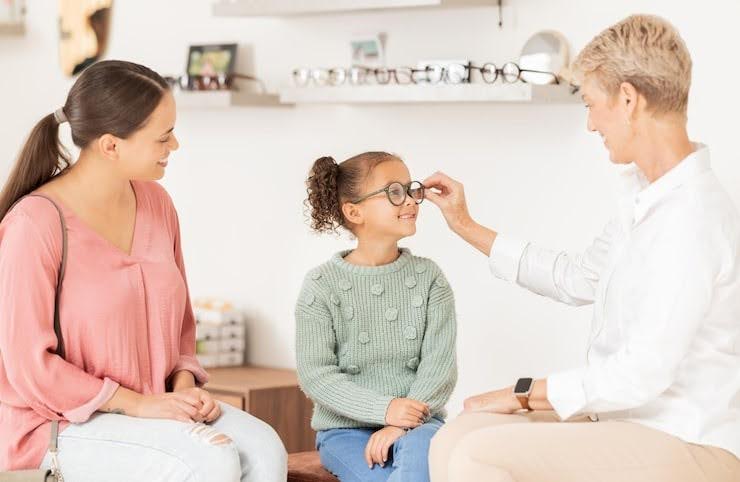
Parents should ask whether their student’s symptoms sound more related to ordinary screen fatigue, dry eye, prescription strain, or binocular alignment issues. This helps the evaluation focus on the most likely cause instead of assuming every student experiences visual discomfort for the same reason.
It is also helpful to ask whether the pattern of headaches during homework, eye rubbing, and reading fatigue justifies NeuroLens screening. Specific symptom patterns are usually more meaningful than one isolated complaint, especially when symptoms consistently appear during near work and device use.
It is also helpful to ask whether the pattern of headaches during homework, eye rubbing, and reading fatigue justifies NeuroLens screening. Specific symptom patterns are usually more meaningful than one isolated complaint, especially when symptoms consistently appear during near work and device use.
Finally, ask what type of improvement would be realistic if NeuroLens is recommended. Understanding whether the goal is reduced headaches, better reading endurance, or less visual fatigue makes it easier to evaluate progress and determine whether treatment is improving daily comfort during academic tasks and school performance. This supports clearer communication with the eye care provider during consultation.
Your Next Steps Before Your Visit
Before your appointment, track when your student’s symptoms appear and which activities seem to make them worse. Note whether headaches, eye strain, or fatigue happen more during homework, reading, laptop use, or phone use, and whether symptoms improve after stepping away from near tasks. Bring current glasses and any school observations that may help explain the visual pattern.
If school-related visual fatigue has become a regular issue, Kleinwood Vision can evaluate prescription needs, binocular alignment, and ocular comfort to determine whether NeuroLens for students may help reduce strain. A clearer understanding of the visual cause can make it easier for students to handle homework, reading, and device use with better comfort and less avoidable fatigue. If your student continues struggling with eye strain during homework or screen-related discomfort, Contact us to schedule an evaluation and learn whether a more targeted visual solution may improve their daily academic experience.
Contact Info
Hours of Operation
Mon - Fri | 9:00 AM - 5:00 PM
Sat - Sun | Closed
Holiday Hours: We are closed for the following holidays: New Years Day, Memorial Day, Independence Day, Labor Day, Thanksgiving Day, Christmas Day
The information provided on this website is for general informational purposes only and does not constitute professional medical advice, diagnosis, or treatment. Always seek the guidance of a licensed eye care professional or qualified health provider with any questions you may have regarding a medical condition or vision concern. Results from eye care services may vary by individual.
© 2026 Kleinwood Vision. All rights Reserved.