
NeuroLens
NeuroLens for Nurses Managing Shift Eye Strain

FSDAVCFEBFEVSDDVFSD
FSDAVCFEBFEVSDDVFSD
FSDAVCFEBFEVSDDVFSD
Why Healthcare Shifts Are Hard on the Eyes
Nurses and healthcare workers spend shifts moving between patient rooms, computer screens, medication checks, monitors, mobile devices, and detailed documentation tasks. Vision is required at multiple distances throughout the day, often with little extended visual rest. The eyes repeatedly adjust focus while processing large amounts of information in fast-paced clinical settings, creating ongoing visual demands.
As hours pass, many healthcare professionals notice headaches, tired eyes, neck tension, blurred focus, or difficulty concentrating during charting. While long work hours contribute to fatigue, some workers may also experience binocular vision strain. When eyes work harder than necessary to stay aligned, healthcare environments can feel even more exhausting.
Nurses and healthcare workers spend shifts moving between patient rooms, computer screens, medication checks, monitors, mobile devices, and detailed documentation tasks. Vision is required at multiple distances throughout the day, often with little extended visual rest. The eyes repeatedly adjust focus while processing large amounts of information in fast-paced clinical settings, creating ongoing visual demands.

As hours pass, many healthcare professionals notice headaches, tired eyes, neck tension, blurred focus, or difficulty concentrating during charting. While long work hours contribute to fatigue, some workers may also experience binocular vision strain. When eyes work harder than necessary to stay aligned, healthcare environments can feel even more exhausting.
How Long Shifts Increase Visual Strain
Healthcare work combines physical fatigue with significant visual demand. A nurse may spend part of the day reviewing charts, reading medication labels, monitoring patient information, documenting care, and switching attention between multiple screens and patients. Each task may appear simple on its own, but together they create hours of sustained visual effort. This constant visual switching requires the eyes and brain to maintain focus and coordination throughout demanding shifts.
Electronic health records have increased the amount of time healthcare workers spend looking at screens. Charting often requires prolonged focus at near and intermediate distances. If the eyes are slightly misaligned, the brain may work continuously to keep text single and clear. This extra effort can build throughout the shift and contribute to discomfort, fatigue, headaches, and difficulty concentrating by the end of the day.
Environmental factors can also play a role. Bright lighting, dry indoor air, reduced blinking during screen use, face masks, and workplace stress can make symptoms more noticeable. Many healthcare professionals assume these problems are simply part of the job. However, recurring healthcare worker eye strain, headaches from charting, or neck discomfort may indicate that a more detailed visual evaluation is needed.
Symptoms Nurses Should Not Ignore
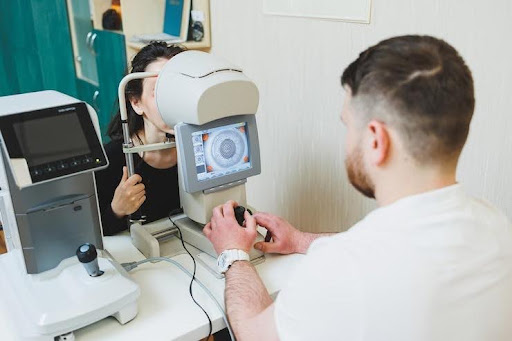
Common symptoms include headaches after documentation, eye pressure, tired eyes, blurred vision, difficulty refocusing, neck tension, shoulder discomfort, and visual fatigue during long periods of computer work. Some nurses notice that symptoms are manageable early in the shift but become significantly worse after several hours of charting or screen use. These challenges can affect comfort, concentration, and overall work performance during demanding healthcare schedules.
Others experience discomfort in bright clinical environments, busy units, or high-pressure situations that require constant visual attention.
These symptoms do not automatically mean NeuroLens is the answer, but they may indicate that the visual system is working harder than necessary. A binocular vision evaluation can help determine whether eye alignment strain is contributing to the problem and whether further assessment or treatment options may be appropriate for improving visual comfort and supporting better daily work performance.
Healthcare workers often prioritize patient care over their own comfort. As a result, they may continue working through headaches, eye strain, and fatigue without realizing how much these symptoms affect daily performance. Tasks such as reading medication information, reviewing charts, and documenting patient care all depend on comfortable, efficient vision. When visual demands remain high for extended periods, even small issues can impact focus, comfort, and productivity during long shifts.
Tracking symptom patterns can be helpful. Consider whether headaches develop after several hours of charting, whether neck tension increases during computer work, or whether symptoms worsen during night shifts or back-to-back workdays. These observations provide valuable information during an eye examination and help identify whether the issue may be related to fatigue, dryness, prescription needs, ergonomics, binocular alignment, or multiple contributing factors. Understanding these patterns supports more accurate evaluations and personalized recommendations for healthcare professionals.
How NeuroLens Screening Helps Evaluate Strain
NeuroLens screening measures how the eyes align and work together at various viewing distances. This is especially relevant for healthcare workers because they constantly switch between close-up tasks, computer screens, and distance viewing throughout their shifts. Even small alignment issues can increase visual effort during prolonged near work, leading to discomfort, fatigue, and reduced visual efficiency during demanding tasks.
The evaluation combines symptom review, comprehensive eye exams, eye health assessment, and NeuroLens measurements. If findings suggest that binocular vision strain healthcare workers experience is contributing to symptoms, the doctor may discuss whether NeuroLens lenses are appropriate. If measurements do not support that conclusion, the exam can still identify other causes such as dry eye, prescription changes, or workplace-related visual stress. This helps create a clearer understanding of symptoms and suitable care options.
Why New Glasses May Not Be Enough
Some healthcare workers continue experiencing discomfort even after receiving an updated prescription. This can happen because seeing clearly and seeing comfortably are not always the same thing. A prescription may sharpen vision while leaving underlying binocular strain unchanged.
Traditional glasses focus on helping each eye see clearly. NeuroLens screening evaluates how the eyes function together and whether maintaining alignment requires excessive effort during demanding visual tasks. This approach looks beyond basic clarity to understand visual comfort.
Some healthcare workers continue experiencing discomfort even after receiving an updated prescription. This can happen because seeing clearly and seeing comfortably are not always the same thing. A prescription may sharpen vision while leaving underlying binocular strain unchanged.
Traditional glasses focus on helping each eye see clearly. NeuroLens screening evaluates how the eyes function together and whether maintaining alignment requires excessive effort during demanding visual tasks. This approach looks beyond basic clarity to understand visual comfort.
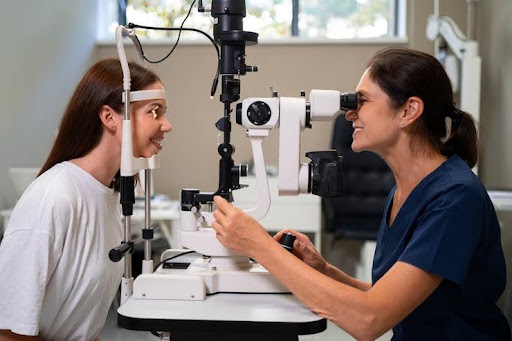
This distinction can be important for professionals whose primary complaints involve headaches, neck tension, pressure around the eyes, or visual fatigue rather than obvious blur. In these situations, a standard prescription may address only part of the problem, while further evaluation may help identify contributing visual factors.
Understanding Visual Demands in Healthcare
Healthcare professionals depend on reliable vision throughout every shift. Clinical environments often include bright lights, extended screen use, detailed documentation, and constant transitions between tasks. Unlike many office settings, there are few opportunities to step away and give the eyes prolonged rest. This continuous visual demand can contribute to discomfort, fatigue, and reduced efficiency during long and challenging workdays.
For workers already experiencing alignment-related strain, symptoms may become most noticeable during the busiest periods of the day. Long charting sessions, patient documentation, medication reviews, and monitor checks can place continuous demands on the visual system. As fatigue builds, symptoms may become harder to ignore, including headaches, eye pressure, neck tension, and difficulty maintaining focus during important tasks.
NeuroLens for nurses is not intended as a universal solution for every case of workplace fatigue. Instead, the purpose of screening is to identify whether binocular vision strain may be contributing to symptoms that have not improved with traditional approaches. Some workers have already tried updated glasses, artificial tears, screen breaks, or workstation adjustments without achieving meaningful relief or lasting comfort.
A comprehensive evaluation helps separate overlapping causes of discomfort. Dry eye, prescription changes, screen exposure, sleep habits, ergonomics, and workplace stress can all influence symptoms. By including NeuroLens measurements in the assessment, the doctor gains a more complete understanding of what may be contributing to visual fatigue and can recommend a more targeted plan. This approach helps healthcare professionals better understand their symptoms and explore appropriate options for improving comfort, focus, and visual performance during demanding shifts while maintaining overall eye health.
Questions to Ask Before Choosing NeuroLens
Ask whether your symptoms match the type of binocular vision strain that NeuroLens is designed to address. Understanding how the recommendation relates to both your symptoms and the measurements collected during the exam can help set realistic expectations.
It is also important to ask about other contributing factors. Healthcare-related visual discomfort may involve dry eye, prescription issues, fatigue, workstation setup, or environmental conditions in addition to binocular strain. If you have questions before your appointment, you can contact us to learn more about the evaluation process.

Ask whether your symptoms match the type of binocular vision strain that NeuroLens is designed to address. Understanding how the recommendation relates to both your symptoms and the measurements collected during the exam can help set realistic expectations.
It is also important to ask about other contributing factors. Healthcare-related visual discomfort may involve dry eye, prescription issues, fatigue, workstation setup, or environmental conditions in addition to binocular strain. If you have questions before your appointment, you can contact us to learn more about the evaluation process.
Finally, discuss how success should be measured. For some healthcare workers, improvement may mean fewer headaches after charting. For others, reduced neck tension, less eye fatigue, or greater visual comfort during long shifts may be the primary goal. Tracking progress over time helps determine whether NeuroLens provides meaningful support for daily tasks and overall workplace visual comfort and performance.
Support Your Eyes During Long Shifts
If you regularly experience headaches, eye pressure, neck tension, or visual fatigue after long workdays, begin tracking when symptoms occur and which tasks make them worse. Bring your current glasses and information about screen-heavy responsibilities, charting demands, shift schedules, and work environments to your appointment. These details can help identify patterns that may otherwise be overlooked and provide valuable insight during your evaluation.
Kleinwood Vision provides NeuroLens screening as part of a comprehensive approach to visual comfort and performance. For nurses and healthcare professionals facing eye strain on long shifts, a more detailed evaluation may help determine whether binocular vision strain is contributing to symptoms and whether a targeted treatment plan could provide meaningful relief. Understanding the cause of discomfort can support better visual comfort, focus, and confidence during demanding healthcare responsibilities.
Contact Info
Hours of Operation
Mon - Fri | 9:00 AM - 5:00 PM
Sat - Sun | Closed
Holiday Hours: We are closed for the following holidays: New Years Day, Memorial Day, Independence Day, Labor Day, Thanksgiving Day, Christmas Day
The information provided on this website is for general informational purposes only and does not constitute professional medical advice, diagnosis, or treatment. Always seek the guidance of a licensed eye care professional or qualified health provider with any questions you may have regarding a medical condition or vision concern. Results from eye care services may vary by individual.
© 2026 Kleinwood Vision. All rights Reserved.