
NeuroLens
NeuroLens Adaptation Guide for New Users

FSDAVCFEBFEVSDDVFSD
FSDAVCFEBFEVSDDVFSD
FSDAVCFEBFEVSDDVFSD
Why NeuroLens Can Feel Different at First
NeuroLens glasses are designed to correct subtle eye misalignment that contributes to eye strain, headaches, pressure, and fatigue during reading or screen use. Because they actively change how your eyes work together, the lenses can feel different right away even when helping. This early awareness is a normal part of NeuroLens adaptation and does not mean the prescription is wrong.
For many patients the first few days involve noticing the lenses not discomfort. Small changes in depth perception posture or near focus are common. Adjusting to NeuroLens glasses helps your visual system learn a more efficient way to function, making temporary sensations easier to accept.
NeuroLens glasses are designed to correct subtle eye misalignment that contributes to eye strain, headaches, pressure, and fatigue during reading or screen use. Because they actively change how your eyes work together, the lenses can feel different right away even when helping. This early awareness is a normal part of NeuroLens adaptation and does not mean the prescription is wrong.
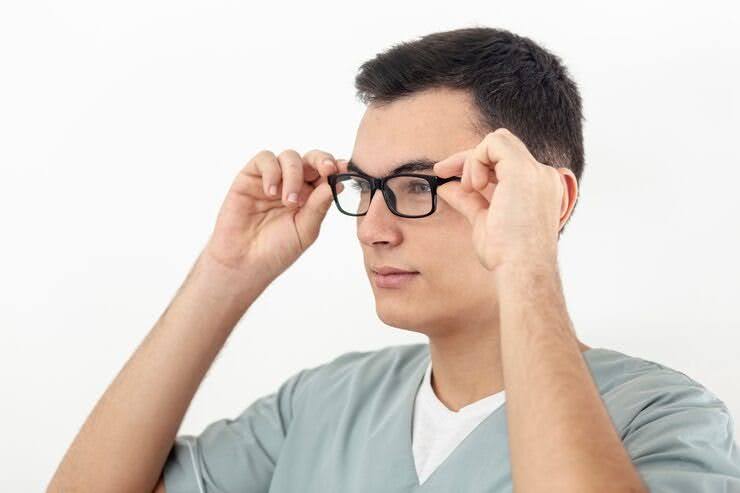
For many patients the first few days involve noticing the lenses not discomfort. Small changes in depth perception posture or near focus are common. Adjusting to NeuroLens glasses helps your visual system learn a more efficient way to function, making temporary sensations easier to accept.
What the First Several Days May Feel Like
During the first week with NeuroLens, experiences can vary from patient to patient. Some feel immediate relief, while others notice a gradual adjustment period. It is common to sense slight differences when walking through hallways, using stairs, or shifting between screen and distance viewing. Objects may appear slightly repositioned as your eyes adapt to a new alignment pattern.
Mild awareness during reading or computer work is also common. The eyes may be learning to stop overcompensating, which can feel unusual before it begins to feel easier. Some patients report reduced fatigue by the end of the day even if the early experience still feels different. This is why judging results too quickly can be misleading during NeuroLens adaptation.
Consistency is the most important part of this stage. Wearing your NeuroLens glasses as prescribed supports smoother adjustment and better long-term results. Frequently switching back to old glasses can delay progress because the eyes keep moving between two different visual systems. The goal during this period is steady adaptation, not instant perfection, while carefully observing whether headaches, strain, posture, and screen comfort continue improving over time with regular daily wear and patient follow-up guidance.
What Is Normal During the First 14 Days

Normal NeuroLens adaptation signs include mild lens awareness, subtle spatial differences, or needing small posture adjustments during reading or screen use. Some patients notice that symptoms fluctuate throughout the day instead of improving all at once. This variation is still considered normal as long as the overall trend moves toward reduced strain, fewer headaches, and better comfort.
The most important factor is whether the lenses are becoming easier to wear each day. Even if some fatigue remains, it should gradually feel more manageable instead of worsening.
If adjusting to NeuroLens glasses shows steady improvement, continuing the process is usually recommended rather than stopping too early. With consistent wear, many patients notice smoother focus shifts, improved posture, less screen fatigue, and better overall visual comfort as the brain and eyes adapt to the new alignment support over time.
Patients often adapt more smoothly when expectations are realistic. During NeuroLens adaptation, it is helpful to evaluate progress over several days instead of focusing on one uncomfortable moment. Good lighting, proper posture, regular blinking, and short screen breaks can reduce added strain and make the adjustment period feel easier.
Tracking small improvements such as fewer headaches, quicker recovery after screen use, better focus, or less neck tension can make progress easier to recognize. Keeping a short log during the first two weeks helps patients notice positive changes that might otherwise go unnoticed during busy daily routines. These details also make follow-up visits more productive because they show whether adjusting to NeuroLens glasses is moving in the right direction. Over time, this consistent approach helps build confidence, supports smoother visual adaptation, and makes it easier to stay committed until the full benefits of reduced eye strain, better posture, and clearer near vision become more noticeable and reliable.
When Symptoms Deserve a Recheck
A NeuroLens recheck is important if symptoms are not improving, are getting worse, or feel clearly incorrect rather than simply unfamiliar. Persistent headaches, dizziness, strong blur, or difficulty functioning normally should not be ignored beyond the early NeuroLens adaptation phase, especially if daily activities become more difficult.
It is also important to monitor whether your original symptoms are actually improving. If screen work, reading, driving, or other daily tasks feel harder instead of easier, a follow-up is the right next step. A NeuroLens eye exam Houston patients trust helps determine whether the issue is normal adaptation, a prescription adjustment, or another factor affecting comfort and clarity. Early follow-up can improve long-term success, reduce frustration, and ensure your lenses continue supporting better posture, less eye strain, and more comfortable visual performance throughout the day.
How to Make Adjustment Easier
Start by wearing the lenses consistently during the tasks they were prescribed for, especially screen time and reading. Regular use supports smoother NeuroLens adaptation and helps your eyes adjust more efficiently.
Reducing additional strain also helps. Proper hydration, frequent blinking, good lighting, and correct screen positioning can improve comfort during the early days. These small habits support better outcomes while adjusting to NeuroLens glasses.
Start by wearing the lenses consistently during the tasks they were prescribed for, especially screen time and reading. Regular use supports smoother NeuroLens adaptation and helps your eyes adjust more efficiently.
Reducing additional strain also helps. Proper hydration, frequent blinking, good lighting, and correct screen positioning can improve comfort during the early days. These small habits support better outcomes while adjusting to NeuroLens glasses.
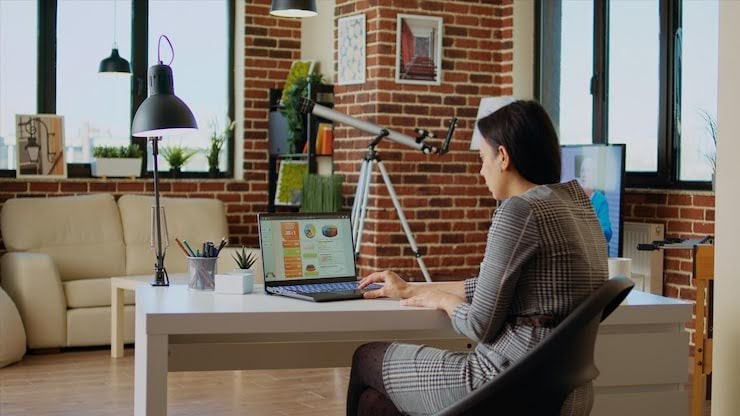
Focus on patterns instead of isolated experiences. Adaptation is easier to judge over several days rather than one difficult session. Monitoring trends helps determine whether progress is moving in the right direction, making it easier to stay consistent, reduce frustration, and recognize improvements in comfort, posture, focus, and screen-related symptoms over time with better stamina and fewer headaches during daily work.
Understanding the Adaptation Process Clearly
NeuroLens adaptation becomes easier when patients understand that “different” does not mean “wrong.” The lenses are specifically designed to change how the eyes work together, so short-term awareness is expected. These changes may appear as small differences in depth perception, posture, focus speed, or how quickly the eyes settle during the first several days of wear.
What matters most is whether symptoms like eye strain, headaches, pressure, and fatigue begin to improve. Many patients notice that while the lenses feel unusual at first, their overall comfort improves by the end of the day. This gradual benefit is one of the clearest signs that adjusting to NeuroLens glasses is progressing properly.
At the same time, patients should not ignore symptoms that feel excessive or continue worsening. A balanced approach is important—giving the lenses enough time to work while also recognizing when a NeuroLens recheck may be necessary. This helps ensure both comfort and prescription effectiveness while preventing unnecessary frustration during the early phase.
With realistic expectations and proper follow-up, most patients find that the first two weeks lead to meaningful improvements. The process is less about simply tolerating new glasses and more about allowing the eyes to function more efficiently over time with reduced strain, better posture, smoother near focus, and stronger visual coordination. As adaptation continues, many patients also experience better productivity, improved reading stamina, and less screen-related fatigue, making daily work and personal tasks feel noticeably easier and more comfortable over the long term.
Questions to Ask During Follow-Up
Patients should ask whether their experience reflects normal NeuroLens adaptation or if it suggests a problem that needs attention. This helps clarify whether symptoms are expected during the adjustment phase or whether they require further evaluation and possible prescription changes.
It is also helpful to ask which improvements matter most early on. In many cases, reduced headaches, less fatigue, improved posture, or easier screen use are better indicators of progress than expecting immediate comfort in every visual situation. These early gains often show that adjusting to NeuroLens glasses is moving in the right direction.
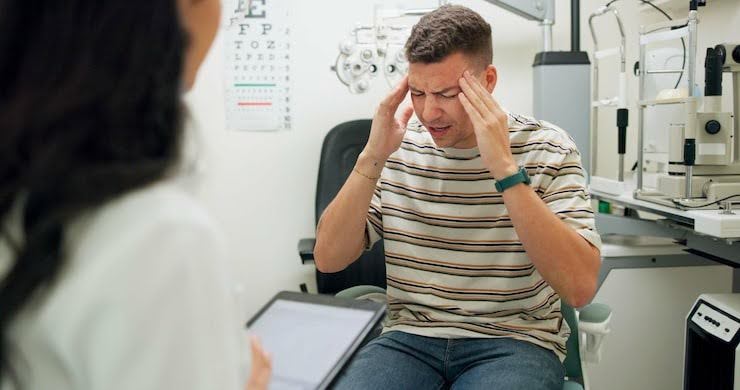
Patients should ask whether their experience reflects normal NeuroLens adaptation or if it suggests a problem that needs attention. This helps clarify whether symptoms are expected during the adjustment phase or whether they require further evaluation and possible prescription changes.
It is also helpful to ask which improvements matter most early on. In many cases, reduced headaches, less fatigue, improved posture, or easier screen use are better indicators of progress than expecting immediate comfort in every visual situation. These early gains often show that adjusting to NeuroLens glasses is moving in the right direction.
Finally, ask how long to continue wearing the lenses before judging results and which symptoms should prompt an earlier visit. Clear expectations make the adjustment period easier to manage, reduce uncertainty, and help patients stay consistent long enough to experience meaningful improvements in comfort, focus, and daily visual performance over time.
Your Next Steps Before Your Visit
Before your appointment, keep notes on when you wear your lenses, which tasks feel easier or harder, and whether symptoms like headaches, pressure, or fatigue are improving. Bring your current NeuroLens glasses and be ready to explain your daily visual demands, especially screen time and reading. This information helps guide a more accurate and useful follow-up evaluation during NeuroLens adaptation.
If NeuroLens adaptation does not seem to be progressing, Kleinwood Vision can assess your symptoms and determine whether a NeuroLens recheck or a comprehensive eye exam is needed. A clear follow-up plan helps reduce uncertainty, improve comfort, and support better long-term results. If you have concerns, Contact us to schedule your visit and get expert guidance for more comfortable, effective vision, reduced eye strain, and stronger daily visual performance with personalized care and ongoing support.
Contact Info
Hours of Operation
Mon - Fri | 9:00 AM - 5:00 PM
Sat - Sun | Closed
Holiday Hours: We are closed for the following holidays: New Years Day, Memorial Day, Independence Day, Labor Day, Thanksgiving Day, Christmas Day
The information provided on this website is for general informational purposes only and does not constitute professional medical advice, diagnosis, or treatment. Always seek the guidance of a licensed eye care professional or qualified health provider with any questions you may have regarding a medical condition or vision concern. Results from eye care services may vary by individual.
© 2026 Kleinwood Vision. All rights Reserved.