
Myopia Care
Why Myopia Progresses Faster During Winter

FSDAVCFEBFEVSDDVFSD

FSDAVCFEBFEVSDDVFSD

FSDAVCFEBFEVSDDVFSD
Seasonal Patterns in Eye Growth
Many children experience faster myopia progression during winter months. Shorter daylight hours, colder weather, and indoor routines reduce time spent outdoors, which is known to help slow eye growth. As a result, winter myopia progression can appear sudden, even when children are following a treatment plan consistently. These seasonal shifts often make vision changes seem more dramatic than they truly are.
Doctors account for myopia seasonal changes when reviewing growth data across visits. Understanding these predictable patterns helps families avoid unnecessary worry while ensuring true progression is identified early. Seasonal context explains why changes may show up between fall and winter visits and supports accurate long-term myopia management.
Many children experience faster myopia progression during winter months. Shorter daylight hours, colder weather, and indoor routines reduce time spent outdoors, which is known to help slow eye growth. As a result, winter myopia progression can appear sudden, even when children are following a treatment plan consistently. These seasonal shifts often make vision changes seem more dramatic than they truly are.

Doctors account for myopia seasonal changes when reviewing growth data across visits. Understanding these predictable patterns helps families avoid unnecessary worry while ensuring true progression is identified early. Seasonal context explains why changes may show up between fall and winter visits and supports accurate long-term myopia management.
Why Winter Speeds Up Myopia Progression
Winter routines often involve more near work. Increased homework, screen time, and reading place sustained demand on developing eyes. Artificial lighting and fewer distance-viewing breaks can further strain focusing systems, contributing to myopia control winter challenges. Children may experience eye fatigue, and these subtle stresses can make vision changes more noticeable, even when treatment plans are followed consistently. Recognizing the added strain of seasonal routines helps families anticipate risks and take proactive steps to support healthy eye development.
Outdoor light exposure plays an important role in regulating eye growth. Bright natural light stimulates protective mechanisms that slow axial elongation, a key factor in controlling myopia progression. During winter, shorter days, colder weather, and indoor routines limit time spent outdoors, reducing these protective effects. School-aged children, who already spend long hours on near tasks, are particularly affected, making winter months a higher-risk period for faster myopia progression.
Understanding these factors allows families to intervene early. Adjusting habits—such as increasing outdoor breaks, managing screen time, and improving lighting—before winter myopia progression accelerates helps maintain stability. These strategies support long-term myopia management goals, reduce unnecessary worry, and ensure children’s vision remains healthy throughout the winter months.
Common Changes Parents May Notice in Children
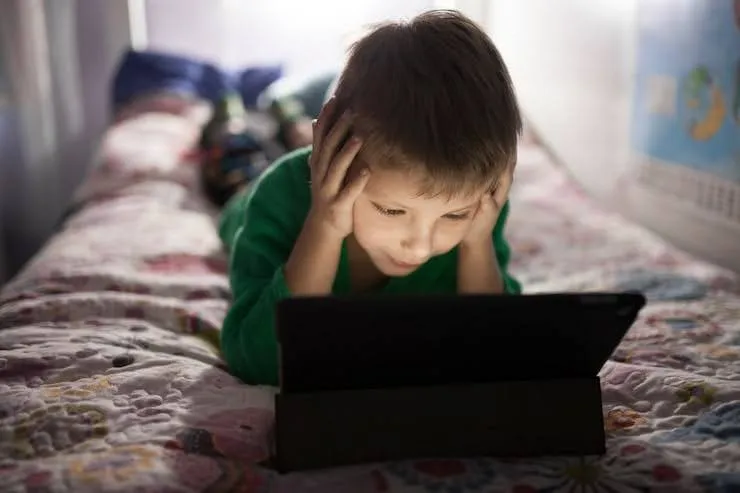
Parents may notice children squinting more often, complaining of headaches, or sitting closer to screens during winter. Blurry distance vision may appear sooner than expected, and prescriptions may change faster between pediatric eye exams. These changes often reflect winter myopia progression, influenced by increased near work, reduced outdoor time, and seasonal lighting conditions. Paying attention to these signs helps families understand when vision shifts are normal seasonal variations versus true acceleration in myopia.
Tracking these observations carefully allows clinicians to interpret changes accurately.
Clear communication during eye exams ensures doctors can place symptoms in context and respond appropriately, whether adjusting prescriptions or reinforcing myopia management strategies. By documenting behaviors and vision changes, parents provide essential information that supports early intervention and long-term eye health, helping children maintain stable vision and achieve better outcomes throughout the year.
Winter-related progression does not mean treatment failure. Many children experience seasonal shifts in myopia, especially during colder months with reduced outdoor time and increased near work. Doctors evaluate year-over-year data rather than reacting to a single seasonal change, understanding that temporary increases in myopia are common. By looking at long-term trends, clinicians can distinguish between true progression and predictable seasonal fluctuations, ensuring that care decisions are based on comprehensive evidence rather than short-term variations.
This measured approach reassures families while maintaining focus on long-term outcomes. Seasonal awareness prevents unnecessary stress and supports confidence in ongoing care, allowing parents to remain proactive without worry. Adjustments to treatment plans are made thoughtfully rather than aggressively, preserving stability while addressing genuine changes. Understanding these patterns empowers families to support children’s vision health, promoting consistent myopia management and reducing anxiety about winter-related shifts in eye growth.
How to Adjust Myopia Control Plans
During winter, clinicians may recommend earlier follow-ups or reinforcing outdoor time goals when weather allows. Increased near work, reduced daylight, and indoor routines can accelerate winter myopia progression, making seasonal adjustments important. Treatment parameters for Ortho-K or MiSight® lenses may be fine-tuned to reflect these seasonal needs, following established Ortho-K winter tips and MiSight winter wear guidance. These refinements help ensure that children’s eyes remain properly supported during months when environmental factors challenge myopia control.
These adjustments are typically temporary and are designed to maintain long-term stability rather than overcorrect for short-term changes. Seasonal refinements help maintain control until daylight routines return, keeping myopia management effective throughout the winter months. By following these strategies, families can support consistent treatment outcomes while reducing unnecessary stress, ensuring children continue to meet their long-term vision health goals.
Effective Home Strategies to Support Myopia
Families can support eye health by encouraging regular distance breaks during indoor activities. Looking across the room or out a window every 20–30 minutes reduces near-work strain and helps slow winter myopia progression. These pauses give developing eyes a chance to rest, supporting long-term vision health.
Maximizing natural light indoors also helps. Positioning desks near windows and opening curtains during daylight hours increases exposure to bright light, which supports healthy eye growth. Even small changes to indoor lighting can make a noticeable difference in maintaining effective myopia control during winter.
Families can support eye health by encouraging regular distance breaks during indoor activities. Looking across the room or out a window every 20–30 minutes reduces near-work strain and helps slow winter myopia progression. These pauses give developing eyes a chance to rest, supporting long-term vision health.
Maximizing natural light indoors also helps. Positioning desks near windows and opening curtains during daylight hours increases exposure to bright light, which supports healthy eye growth. Even small changes to indoor lighting can make a noticeable difference in maintaining effective myopia control during winter.

Scheduling outdoor time when weather permits—even brief walks—adds valuable light exposure. Together, breaks, lighting adjustments, and outdoor activity can meaningfully reduce seasonal stress on developing eyes and support consistent myopia management throughout the winter months.
Monitoring Progress Through the Season
Winter check-ins allow doctors to confirm whether changes in a child’s vision are seasonal or persistent. Many children experience winter myopia progression due to reduced outdoor time, increased near work, and shorter daylight hours. By scheduling check-ins during this period, clinicians can observe trends and determine if vision changes reflect temporary seasonal effects or indicate true long-term acceleration in myopia. These evaluations help families understand what is typical versus what may require intervention.
Monitoring axial length and refraction trends provides objective data that guides decision-making. Regular measurements give a clear picture of eye growth over time, allowing doctors to track whether winter-related changes are temporary or part of a longer-term pattern. This information ensures that any adjustments to treatment plans, such as Ortho-K or MiSight® lenses, are based on reliable data rather than short-term fluctuations.
Regular follow-ups ensure adjustments are proportional and timely. When families stay engaged and communicate observations from home, clinicians can distinguish normal winter myopia progression from true acceleration. Proactive monitoring prevents unnecessary escalation of treatment while maintaining confidence in ongoing care. Families who attend scheduled pediatric myopia Houston visits gain clarity and reassurance throughout the season, helping reduce anxiety about temporary changes.
Season-aware care keeps myopia management steady year-round, protecting vision without overreacting to predictable winter patterns. By combining careful monitoring, clear communication, and seasonal awareness, families and doctors can work together to maintain effective long-term myopia control while minimizing stress and ensuring healthy visual development throughout the year.
Frequently Asked Questions About Winter Myopia
Parents often ask whether winter setbacks reverse in spring. In many cases, myopia growth slows again as outdoor time increases, especially when healthy habits like regular distance breaks and outdoor activity resume. Seasonal changes can make winter progression appear sudden, but these shifts are often temporary rather than a sign of long-term treatment failure.
Another common question is whether winter treatment changes are permanent. Most adjustments, such as fine-tuning Ortho-K or MiSight® lens parameters, are temporary and designed to support stability during seasonal shifts. These refinements help maintain control until daylight routines return, ensuring myopia management stays effective without overcorrecting for short-term changes.
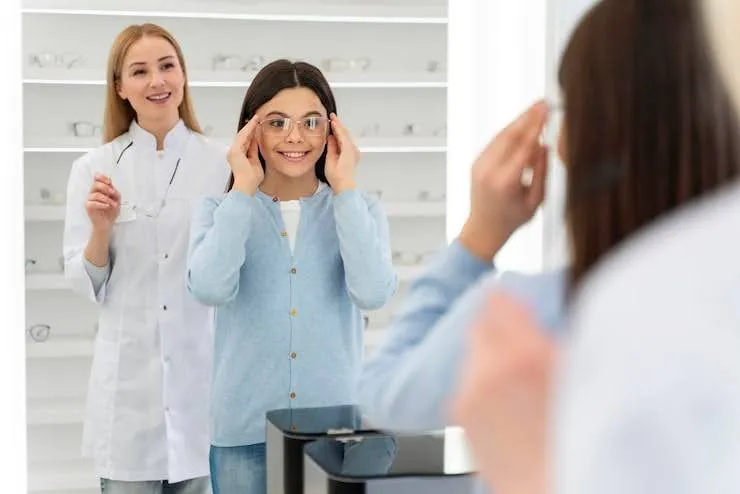
Parents often ask whether winter setbacks reverse in spring. In many cases, myopia growth slows again as outdoor time increases, especially when healthy habits like regular distance breaks and outdoor activity resume. Seasonal changes can make winter progression appear sudden, but these shifts are often temporary rather than a sign of long-term treatment failure.
Another common question is whether winter treatment changes are permanent. Most adjustments, such as fine-tuning Ortho-K or MiSight® lens parameters, are temporary and designed to support stability during seasonal shifts.
These refinements help maintain control until daylight routines return, ensuring myopia management stays effective without overcorrecting for short-term changes.
Clear expectations reduce stress and improve adherence. Understanding the seasonal nature of progression helps families stay consistent and confident in care plans. By knowing what to expect, parents can actively support children’s vision health while reinforcing long-term myopia management strategies.
Keeping Vision Stable All Year
Seasonal planning, consistent monitoring, and reinforced indoor habits help protect vision year-round. Winter does not have to derail progress when families stay informed and proactive. Simple strategies, such as encouraging regular distance breaks, maximizing natural light indoors, and maintaining outdoor activity when possible, support ongoing myopia management. Being aware of predictable seasonal shifts allows parents to respond effectively without unnecessary worry, ensuring children’s eyes remain healthy throughout the colder months.
Regular comprehensive eye exams and timely pediatric eye exams allow doctors to adapt care as needed, adjusting treatment plans for Ortho-K or MiSight® lenses when appropriate. For personalized guidance on winter myopia control, contact us at Kleinwood Vision to support your child’s long-term visual health. By combining professional monitoring with informed home routines, families can maintain effective myopia management and safeguard their child’s vision year-round.
Contact Info
Hours of Operation
Mon - Fri | 9:00 AM - 5:00 PM
Sat - Sun | Closed
Holiday Hours: We are closed for the following holidays: New Years Day, Memorial Day, Independence Day, Labor Day, Thanksgiving Day, Christmas Day
The information provided on this website is for general informational purposes only and does not constitute professional medical advice, diagnosis, or treatment. Always seek the guidance of a licensed eye care professional or qualified health provider with any questions you may have regarding a medical condition or vision concern. Results from eye care services may vary by individual.
© 2026 Kleinwood Vision. All rights Reserved.