
Myopia Management
Myopia Onset vs Myopia Progression

FSDAVCFEBFEVSDDVFSD
FSDAVCFEBFEVSDDVFSD
FSDAVCFEBFEVSDDVFSD
Why The Difference Matters
Myopia onset refers to nearsightedness appearing for the first time, often during growth, increased schoolwork, or more screen use and near tasks. Myopia progression occurs when nearsightedness already exists and the prescription continues to increase. Symptoms—distance blur, squinting, or difficulty seeing road signs or classroom boards—may look similar, but the long-term plan can differ.
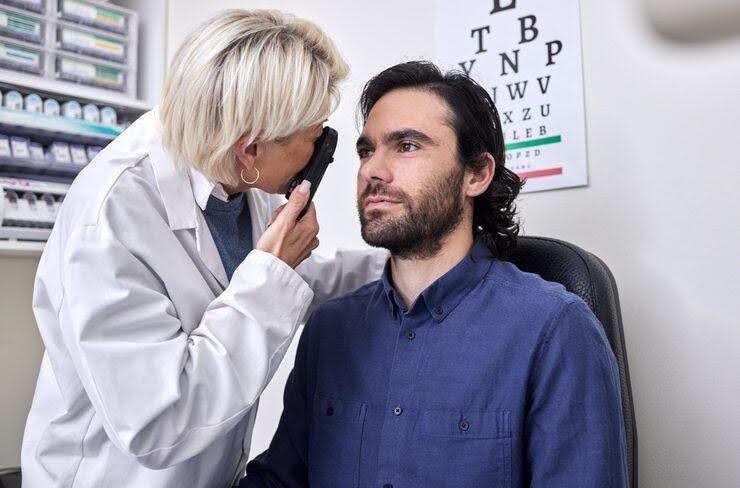
During a comprehensive eye exam Houston patients rely on, your optometrist reviews vision history alongside new test results. Understanding myopia onset vs progression helps determine whether the prescription is a new baseline or part of ongoing change, guiding follow-up schedules and deciding whether a myopia management evaluation or careful monitoring is needed.
Myopia onset refers to nearsightedness appearing for the first time, often during growth, increased schoolwork, or more screen use and near tasks. Myopia progression occurs when nearsightedness already exists and the prescription continues to increase. Symptoms—distance blur, squinting, or difficulty seeing road signs or classroom boards—may look similar, but the long-term plan can differ.

During a comprehensive eye exam Houston patients rely on, your optometrist reviews vision history alongside new test results. Understanding myopia onset vs progression helps determine whether the prescription is a new baseline or part of ongoing change, guiding follow-up schedules and deciding whether a myopia management evaluation or careful monitoring is needed.
How Eye Doctors Measure Onset Versus Change
The first step in evaluating myopia is comparing your current refraction to previous prescriptions. If you have never needed glasses for distance and today’s results are consistent across tests, it often indicates first-time myopia. For patients who already wear glasses, doctors examine whether prescriptions have changed year to year. Faster shifts during growth spurts or busy school periods may signal developing myopia progression.
Myopia testing provides further confirmation. Corneal shape mapping and keratometry help rule out irregular astigmatism that can make vision appear more nearsighted than it is. Axial length monitoring, when available, measures the physical length of the eye. An increase in axial length confirms true structural elongation behind myopia progression. Tear film quality is also checked, as dryness can cause fluctuating blur that mimics prescription changes.
Lifestyle habits are reviewed, including outdoor time, screen use, and extended reading or studying, which can increase visual strain and accelerate changes in children and teens. Binocular vision and focusing function may also be evaluated, as coordination issues can worsen visual comfort even without significant prescription shifts. Combining refraction results, eye measurements, and lifestyle history helps determine whether the situation reflects first-time myopia or measurable myopia progression.
Signs Myopia May Be New

First time myopia often appears suddenly. A child might say the classroom board looks blurry or start sitting closer to the television. Squinting, leaning toward screens, or complaining about fuzzy road signs are common clues. Adults may notice the same pattern when night driving becomes more difficult or presentations across a room look unclear while reading and phone use remain comfortable.
Another sign is that distance blur stays consistent even after resting the eyes. If the issue is truly myopia onset, symptoms usually don’t disappear with breaks from screens.
Family history can also provide context because children with myopic parents have a higher chance of developing the condition. Documenting a baseline prescription through a myopia management evaluation helps determine whether simple correction and monitoring will be enough or if additional strategies should be considered early.
If testing suggests new-onset myopia, the first step is establishing a stable baseline prescription. Bring any prior prescriptions, glasses, or school vision screening results so your doctor can confirm whether the change is truly new. Most families schedule follow-up visits within six to twelve months to monitor stability, though earlier rechecks may be recommended if symptoms change quickly. Encouraging outdoor time and frequent distance breaks during homework can reduce visual strain while the baseline is observed.
Contact lens wearers may need to follow specific preparation instructions before testing so corneal measurements remain accurate. Treating dry eye symptoms early also helps stabilize vision results and ensures the first prescription feels reliable. In many cases, correcting distance vision and adopting healthy visual habits is the immediate focus. Over the following year, tracking results determines whether myopia remains stable or begins to progress.
Key Signs Your Myopia Is Progressing
Myopia progression signs often appear when someone who already wears glasses notices their correction no longer provides clear distance vision. Parents may hear children say their glasses “stopped working,” or teachers may notice students moving closer to the board again. Teens may report increased difficulty with night driving, especially if astigmatism is changing along with nearsightedness.
Doctors focus on patterns rather than a single exam result. Consistent prescription increases across multiple visits indicate myopia progression rather than temporary blur. When axial length monitoring is available, increases in eye length strongly support the diagnosis. Identifying progression early allows doctors to discuss strategies to slow changes and set a follow-up schedule that carefully tracks vision, ensuring timely adjustments to support clear, comfortable distance vision.
What Can Distort The Numbers
Dry eye and seasonal allergies can cause fluctuating vision that mimics a change in prescription. If the ocular surface is irritated, refraction measurements may vary from day to day. Treating these conditions first ensures that the final prescription reflects stable vision rather than temporary symptoms.
Focusing stress can also create misleading results. When the eyes over-accommodate during testing, the prescription may appear more myopic than it truly is. In certain cases, doctors use cycloplegic testing to relax the focusing system and confirm the real baseline measurement.
Dry eye and seasonal allergies can cause fluctuating vision that mimics a change in prescription. If the ocular surface is irritated, refraction measurements may vary from day to day. Treating these conditions first ensures that the final prescription reflects stable vision rather than temporary symptoms.
Focusing stress can also create misleading results. When the eyes over-accommodate during testing, the prescription may appear more myopic than it truly is. In certain cases, doctors use cycloplegic testing to relax the focusing system and confirm the real baseline measurement.
Contact lens habits can influence corneal shape as well. Wearing lenses longer than recommended or skipping a temporary “lens holiday” before testing may alter measurements. Reliable eye measurements myopia decisions depend on repeatable testing conditions and careful preparation before the exam.
What Happens After The Exam
After the exam, the next steps depend on whether results indicate myopia onset or myopia progression. For new-onset myopia, the priority is providing a clear first prescription and establishing a monitoring plan to track future changes. When progression is confirmed, the focus shifts to measuring how quickly the prescription is increasing and discussing strategies that may help slow the change. Early identification ensures that appropriate steps can be taken to protect vision and support daily activities.
Follow-up timing is often based on individual risk factors such as age, family history, and recent prescription changes. If axial length monitoring is available, it provides data beyond the prescription itself and helps determine whether the eye is still elongating. Lifestyle factors—like outdoor time, screen breaks, and proper lighting—are also reviewed because they can support overall eye health and complement myopia management strategies.
Families considering a myopia management evaluation may discuss available options and how success is measured over time. Different strategies suit different patients depending on age, eye health, and daily habits. Consistent testing methods and regular monitoring are essential for tracking progress accurately and adjusting treatment as needed.
Before leaving the appointment, most families receive a clear plan for the next year. This includes timing of the next visit, expected improvements with the new correction, and symptoms that require earlier evaluation. Sudden flashes, painful redness, or dramatic vision loss are not typical myopia changes and need immediate attention, while careful monitoring keeps management organized and predictable.
Questions To Ask At The Visit
Ask whether today’s results suggest a true prescription change or a temporary issue such as dryness or focusing strain. If progression is suspected, ask how quickly the prescription has changed and which measurements will be used to monitor it moving forward. Understanding the tracking plan helps families stay consistent and avoid confusion between appointments.
You can also ask whether axial length monitoring is recommended. If your clinic does not measure axial length, ask what other indicators they use to monitor progression and how often follow-ups should occur. It is helpful to confirm that your current correction supports school activities, sports, and screen time comfortably.

Ask whether today’s results suggest a true prescription change or a temporary issue such as dryness or focusing strain. If progression is suspected, ask how quickly the prescription has changed and which measurements will be used to monitor it moving forward. Understanding the tracking plan helps families stay consistent and avoid confusion between appointments.
You can also ask whether axial length monitoring is recommended. If your clinic does not measure axial length, ask what other indicators they use to monitor progression and how often follow-ups should occur. It is helpful to confirm that your current correction supports school activities, sports, and screen time comfortably.
Finally, discuss habits that may help protect vision at home. Outdoor time, structured breaks during homework, and comfortable screen positioning can reduce visual stress. If myopia management options are available, ask how candidacy is determined and what realistic expectations should be over the next year.
Your Next Step After Today
If you have noticed new distance blur or worry that an existing prescription is changing, scheduling a comprehensive eye exam Houston families trust is the best first step. Bring previous prescriptions, current glasses, and any school screening results so the doctor can compare measurements accurately. Sharing information about screen time, school workload, and visual habits helps determine whether the situation reflects onset or measurable progression.
From there, the goal is a clear monitoring plan combined with correction that fits daily life. If progression is confirmed, a myopia management evaluation can outline which measurements will be tracked and what improvements are expected over time. To schedule an evaluation or discuss concerns about changing vision, Contact us at Kleinwood Vision so your family can move forward with a clear and proactive plan.
Contact Info
Hours of Operation
Mon - Fri | 9:00 AM - 5:00 PM
Sat - Sun | Closed
Holiday Hours: We are closed for the following holidays: New Years Day, Memorial Day, Independence Day, Labor Day, Thanksgiving Day, Christmas Day
The information provided on this website is for general informational purposes only and does not constitute professional medical advice, diagnosis, or treatment. Always seek the guidance of a licensed eye care professional or qualified health provider with any questions you may have regarding a medical condition or vision concern. Results from eye care services may vary by individual.
© 2026 Kleinwood Vision. All rights Reserved.