
Myopia Care
Myopia Management Plan for Siblings

FSDAVCFEBFEVSDDVFSD

FSDAVCFEBFEVSDDVFSD

FSDAVCFEBFEVSDDVFSD
Why Siblings Need Earlier Screening
When one child develops nearsightedness, myopia management for siblings becomes an important conversation. Sibling myopia risk is higher due to genetics and shared lifestyle habits—like screen time and limited outdoor play. Early screening is not about labeling a child; it identifies fast eye growth before prescriptions increase. A baseline exam gives your doctor a starting point to monitor vision and eye development.
Many parents wait until a child complains of blurry distance vision, but early myopia can be subtle. Sitting closer to screens, squinting during homework, or avoiding distance activities are common clues. Proactive myopia screening helps families follow a plan before school performance or sports vision are affected.
When one child develops nearsightedness, myopia management for siblings becomes an important conversation. Sibling myopia risk is higher due to genetics and shared lifestyle habits—like screen time and limited outdoor play. Early screening is not about labeling a child; it identifies fast eye growth before prescriptions increase. A baseline exam gives your doctor a starting point to monitor vision and eye development.

Many parents wait until a child complains of blurry distance vision, but early myopia can be subtle. Sitting closer to screens, squinting during homework, or avoiding distance activities are common clues. Proactive myopia screening helps families follow a plan before school performance or sports vision are affected.
Best Timing for Baseline and Follow-Ups
A strong sibling plan begins with a comprehensive pediatric eye exam timing strategy, even if vision appears normal. Your optometrist evaluates refraction, eye teaming, focusing ability, and overall eye health before determining whether additional myopia-specific testing is needed. Early risk signs—such as borderline prescriptions, strong family history, or visual behavior concerns—may prompt closer monitoring. Identifying potential issues early allows for timely interventions that can slow myopia progression and protect long-term vision.
Many families benefit from a baseline visit followed by checkups every 6–12 months, depending on age and growth patterns. Younger children often require shorter intervals because their eyes are developing rapidly. Axial length measurements help distinguish normal eye growth from accelerated elongation linked to higher lifetime myopia risk. This information guides decisions about interventions, including lifestyle changes, vision therapy, or myopia control treatments, ensuring care is tailored to each child.
Scheduling can be streamlined by booking siblings back-to-back and coordinating dilation when appropriate. Specialty visits for Ortho-K for children, MiSight contact lenses, or low-dose atropine follow-ups can be spaced thoughtfully to avoid overwhelming the family calendar. Consistency—same clinic, predictable timing, and clear benchmarks—keeps care organized, manageable, and supports effective sibling myopia management.
What “Higher Risk” Looks Like at Home

Parents may notice early patterns before a child mentions blur. Moving closer to screens, losing place while reading, frequent headaches after school, or squinting during sports can signal vision changes. Teachers may observe difficulty seeing the board or drifting attention during distance tasks. While these signs do not confirm myopia, they indicate it is time for testing rather than waiting. Early recognition allows timely intervention, preventing strain and supporting better visual health.
Environmental habits also matter. Heavy near work, frequent tablet use, and limited outdoor time myopia research shows are associated with faster progression.
If siblings share similar routines, they share similar risk factors. Bringing realistic details about screen hours and outdoor play to the appointment helps your doctor tailor recommendations to your actual schedule, creating a personalized plan for managing vision and slowing myopia progression.
If one child has already started treatment, parents sometimes assume the sibling should begin immediately. Sometimes that is appropriate, but often structured monitoring and upgraded habits come first. The purpose of evaluation is to determine which child needs active intervention and which needs observation with clear trigger points. Careful assessment ensures that each child receives attention tailored to their individual needs, rather than assuming treatment is automatically required for all siblings. Monitoring strategies can include regular vision checks, tracking eye growth, and noting changes in daily visual habits to catch early signs before intervention becomes necessary.
Ask for specific thresholds: what prescription change or growth measurement would prompt starting treatment? Clear decision rules reduce anxiety and prevent unnecessary intervention while ensuring that a child who needs earlier care receives it promptly. Discussing concrete triggers with the doctor helps parents feel confident in the plan, supports consistent follow-up, and ensures timely action if myopia progresses, balancing caution with proactive care.
Shared Routines That Support Myopia Control
Family-based myopia control routines are most successful when they are simple and repeatable. Schedule outdoor time into weekly plans—after-school walks, sports practices, or weekend park visits. Increased daylight exposure supports healthier visual development and balances near-work demands. Pair this with structured breaks during homework using the 20-20-20 rule and encourage proper screen distance with strong lighting. Consistency helps children build habits that protect vision while reducing eye strain.
If one child uses Ortho-K for children or MiSight contact lenses, create a shared checklist so routines feel normalized. Hand washing, confirming lens supplies, setting bedtime reminders, and packing backup glasses can apply to everyone. When siblings participate in the same structure—even if one is only monitoring—compliance improves and resistance decreases. Shared routines make eye care a family habit, supporting both children’s vision health and long-term adherence to myopia management.
How Clinics Stage Care for Families
Clinics typically stage care in layers. The first step is collecting baseline measurements and reviewing risk factors. If treatment is appropriate, the next phase involves selecting the best option—Ortho-K for children, MiSight contact lenses, or low-dose atropine—based on age, lifestyle, and progression speed. This ensures care is personalized and evidence-based.
Each sibling may follow a different path. One child might need active intervention, while another continues with monitoring and habit adjustments. A staged plan prevents overwhelm and keeps decisions clear and manageable.
Clinics typically stage care in layers. The first step is collecting baseline measurements and reviewing risk factors. If treatment is appropriate, the next phase involves selecting the best option—Ortho-K for children, MiSight contact lenses, or low-dose atropine—based on age, lifestyle, and progression speed. This ensures care is personalized and evidence-based.
Each sibling may follow a different path. One child might need active intervention, while another continues with monitoring and habit adjustments. A staged plan prevents overwhelm and keeps decisions clear and manageable.
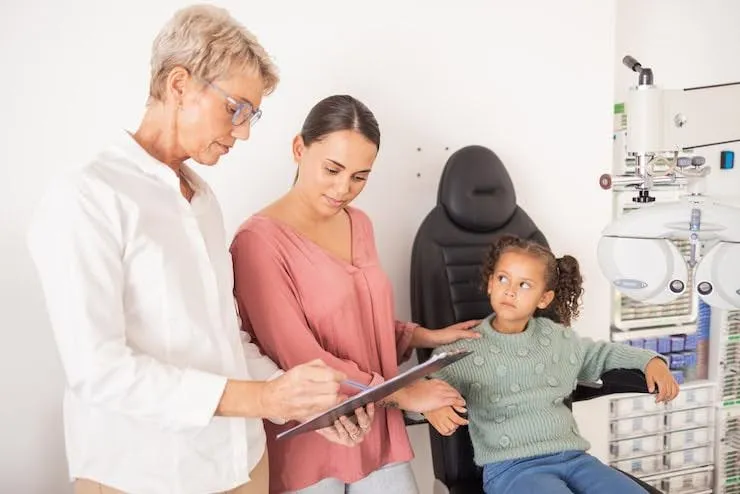
Coordination is essential. Starting Ortho-K requires hygiene instruction and early follow-up visits. MiSight emphasizes daily insertion training, and atropine focuses on proper dosing and monitoring intervals. Organized scheduling keeps care predictable, supporting compliance and effective myopia management for all children..
Choosing Treatments When More Than One Child Needs Care
When more than one sibling qualifies for treatment, customization matters. One child may prefer Ortho-K for children for glasses-free daytime activities, while another finds MiSight contact lenses easier to manage during school hours. Low-dose atropine may be added for faster progressors or children who struggle with contact lens wear. The most effective treatment is one a child can follow consistently and safely, ensuring both adherence and positive outcomes over time. Personal preferences, lifestyle, and comfort all play a critical role in maintaining long-term compliance and effectiveness.
Objective data—prescription changes, axial length progression, and lifestyle demands—help match treatment intensity to individual risk. This prevents under-treatment for rapidly progressing children and avoids unnecessary complexity for stable siblings. By tracking each child’s measurements and habits, families and clinicians can make timely decisions and adjust care as needed. This also allows families to prioritize visits and resources effectively, ensuring that each child receives individualized attention without overwhelming the household.
A practical strategy is to standardize what can be shared: outdoor time blocks, screen rules, bedtime schedules, and hygiene checklists. Then personalize lens type, medication dosing, and follow-up timing. This combination of shared routines and individualized treatment keeps the household organized, reduces resistance, and makes adherence easier. Children understand expectations while still receiving care tailored to their needs.
If both children use contact lens-based control, keep supplies clearly separated. Use labeled cases, dedicated storage areas, and scheduled supply checks to prevent mix-ups. Monthly “lens supply days” simplify organization, reinforce consistency, and make myopia management a predictable, manageable part of family life.
Questions to Ask for Each Sibling
Ask, “What is each child’s current risk level, and what are we tracking?” Clarify the recommended follow-up schedule so pediatric eye exam timing remains consistent. If axial length is monitored, ask what annual growth target is considered healthy and what change would trigger intervention. Understanding these measures helps families respond promptly without unnecessary worry.
Discuss treatment practicality: “Which option fits our morning and evening routines?” If contact lenses are involved, ask about hygiene training, backup glasses policies, and steps to take if a lens is missed or misplaced. Aligning treatment with daily routines ensures children follow it consistently, improving compliance and effectiveness.

Ask, “What is each child’s current risk level, and what are we tracking?” Clarify the recommended follow-up schedule so pediatric eye exam timing remains consistent. If axial length is monitored, ask what annual growth target is considered healthy and what change would trigger intervention. Understanding these measures helps families respond promptly without unnecessary worry.
Discuss treatment practicality: “Which option fits our morning and evening routines?” If contact lenses are involved, ask about hygiene training, backup glasses policies, and steps to take if a lens is missed or misplaced. Aligning treatment with daily routines ensures children follow it consistently, improving compliance and effectiveness.
Finally, request a focused home plan: “What two routines matter most right now?” Clear guidance turns myopia management for siblings into a structured family system rather than a source of daily stress, making care manageable and supporting each child’s vision health.
Family-Friendly Myopia Screening Action Plan
Begin with a baseline pediatric eye exam for each sibling, even if only one child currently has myopia. Track habits at home—screen time, outdoor time, and subtle distance-vision behaviors—so your doctor can personalize monitoring. Shared routines, including consistent bedtimes, outdoor play, and structured study breaks, support healthy eye growth for all children and encourage habits that protect vision long-term.
If treatment is recommended, choose the option each child can follow reliably—Ortho-K for children, MiSight contact lenses, and/or low-dose atropine—and commit to the follow-up schedule provided. Keep supplies organized, maintain hygiene routines, and bring questions to every visit to ensure care is consistent and effective. Families seeking Houston myopia management guidance can contact Kleinwood Vision for a clear, supportive plan that balances individualized treatment with family routines, safeguarding each child’s vision and making myopia management manageable at home and in clinic.
Contact Info
Hours of Operation
Mon - Fri | 9:00 AM - 5:00 PM
Sat - Sun | Closed
Holiday Hours: We are closed for the following holidays: New Years Day, Memorial Day, Independence Day, Labor Day, Thanksgiving Day, Christmas Day
The information provided on this website is for general informational purposes only and does not constitute professional medical advice, diagnosis, or treatment. Always seek the guidance of a licensed eye care professional or qualified health provider with any questions you may have regarding a medical condition or vision concern. Results from eye care services may vary by individual.
© 2026 Kleinwood Vision. All rights Reserved.