
Myopia Management
Understanding Myopia Control Glasses Explained
FSDAVCFEBFEVSDDVFSD
FSDAVCFEBFEVSDDVFSD
FSDAVCFEBFEVSDDVFSD
Why Some Families Prefer Glasses First
Not every child is ready for contact lenses, and not every parent wants to start there. Some children struggle with lens handling, have hygiene concerns, dislike touching their eyes, or follow routines where contact lens wear feels too complex to manage consistently. Families often ask whether myopia-control glasses can do more than simply sharpen vision.
This question is increasingly important as options for myopia management without contacts have expanded. Special spectacle lenses improve clarity and can slow nearsightedness by influencing how light focuses on the eye. A myopia management evaluation helps determine if this approach fits the child’s age, prescription, habits, and ability to wear the glasses consistently.
Not every child is ready for contact lenses, and not every parent wants to start there. Some children struggle with lens handling, have hygiene concerns, dislike touching their eyes, or follow routines where contact lens wear feels too complex to manage consistently. Families often ask whether myopia-control glasses can do more than simply sharpen vision.

This question is increasingly important as options for myopia management without contacts have expanded. Special spectacle lenses improve clarity and can slow nearsightedness by influencing how light focuses on the eye. A myopia management evaluation helps determine if this approach fits the child’s age, prescription, habits, and ability to wear the glasses consistently.
How Myopia-Control Glasses Are Different
Standard single-vision glasses mainly make distance vision clearer, but they are not designed to address the visual signals linked to myopia progression. In contrast, special lens designs for myopia include treatment zones or optical patterns intended to reduce the stimulus that may encourage the eye to keep growing longer. The goal is not to reverse existing nearsightedness but to slow how quickly it increases over time.
These myopia-control glasses still require an accurate prescription and proper fit. Frame positioning matters because the optics are designed to work best when the child looks through the intended zones during daily activities. If the frame slides, sits too low, or is worn inconsistently, the child may not receive the full benefit of the design—even if the prescription itself is correct.
Monitoring is also different from routine glasses updates. Instead of only asking whether the child sees better, the doctor tracks how much the prescription changes over time. A comprehensive eye exam Houston providers offer may include additional measurements when appropriate. Families should understand from the start that progress is judged over months and years, not days.
When Contacts Are Not a Good Fit
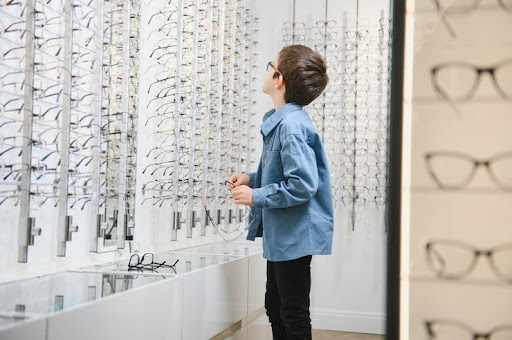
Some children are excellent candidates for myopia-control contacts, but others are not ready due to maturity, comfort, or health factors. A child may rub their eyes frequently, resist cleaning routines, experience dryness, or feel anxious about insertion and removal. Parents may also prefer to begin with a simpler, lower-maintenance option before considering contacts later. Starting with an appropriate solution ensures the child is comfortable while supporting healthy visual development.
In these situations, myopia-control glasses provide a practical entry point into pediatric myopia treatment Houston families can trust.
They are especially effective when wear time is consistent and the child keeps their glasses on during school, homework, and other daily activities. A myopia management evaluation helps compare glasses with other options honestly, ensuring the plan fits the child’s age, prescription, habits, and lifestyle rather than idealized expectations, making it easier for families to follow consistently.
Consistency is one of the biggest factors in whether special spectacle lenses make sense. If a child removes glasses frequently, looks over them, or wears them only part-time, treatment effectiveness may decrease. That is why frame fit, comfort, and child cooperation matter just as much as the lens technology itself. Choosing frames that are lightweight, adjustable, and appealing to the child can improve compliance and support better outcomes. Parents who set expectations and encourage regular wear help ensure the lenses can perform their intended myopia-control function effectively.
Families should also understand that the first pair may require small adjustments for better centering and comfort. A well-fitted pair worn consistently is far more effective than advanced lenses that are rarely used. Clear guidance and expectations early in the process help avoid frustration, support cooperation, and keep the focus on long-term results. Regular check-ins with the optometrist allow adjustments and reinforcement, ensuring pediatric myopia treatment delivers meaningful benefits.
What Results Families Should Expect
The right expectation is slower progression, not a cure. Children using glasses to slow nearsightedness can still become more nearsighted, but the goal is to reduce how quickly the prescription changes. Doctors review prescription history, family patterns, and ongoing measurements to determine whether progression is slowing compared to expected trends. Understanding this helps families focus on consistent wear and realistic outcomes rather than expecting immediate results.
Families should not expect dramatic changes they can “feel.” Vision should remain clear, but the true impact is measured over time. If progression continues faster than expected, the doctor may adjust the strategy, reinforce wear habits, or discuss other myopia management options. A flexible plan ensures treatment stays aligned with real data, not assumptions, and supports long-term visual development while keeping expectations grounded in measurable results.
How Doctors Check If They’re Working
Follow-up visits focus on measurable trends, not guesswork. Your optometrist compares current findings with previous prescriptions and reviews how consistently the glasses are worn each day. Tracking these patterns ensures any changes in vision are identified early.
The exam may also include discussions about screen time, outdoor exposure, and near work habits. These factors influence myopia progression and help determine whether the lenses are performing as intended. Understanding daily routines gives families insight into how lifestyle impacts results.
Follow-up visits focus on measurable trends, not guesswork. Your optometrist compares current findings with previous prescriptions and reviews how consistently the glasses are worn each day. Tracking these patterns ensures any changes in vision are identified early.
The exam may also include discussions about screen time, outdoor exposure, and near work habits. These factors influence myopia progression and help determine whether the lenses are performing as intended. Understanding daily routines gives families insight into how lifestyle impacts results.
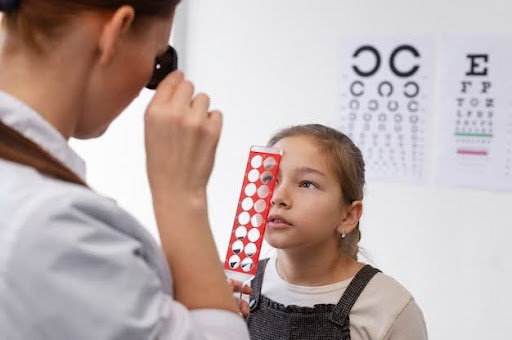
If the data suggests progression is still too fast, it does not mean the effort failed. It indicates that the plan may need refinement or a different approach within myopia management. Adjustments are part of a flexible strategy to support healthy visual development over time.
Choosing the Right Plan for Your Child
Choosing myopia-control glasses is often about matching treatment to what a child can realistically manage. For many families, glasses are the most practical option because they are familiar, noninvasive, and easier to supervise than contact lenses. Glasses provide a reliable way for children to maintain clear distance vision while allowing parents to monitor consistent wear. For some children, glasses also serve as a starting point before transitioning to other myopia management options later, giving them time to adjust to routines that support healthy visual development and consistent habits.
A proper myopia management evaluation looks beyond convenience. The doctor considers prescription strength, age of onset, progression rate, and the child’s visual habits to determine whether glasses are the most effective choice. This personalized approach ensures the plan fits the child’s specific needs rather than relying on a generic solution. Families learn what to expect from treatment, how follow-up visits track progress, and how outcomes are measured over time, providing clarity and confidence in the plan.
The process should feel like planning, not shopping. Parents learn how the lenses work, how often checkups are needed, and what realistic results should look like. Understanding expectations reduces frustration and promotes consistent wear, which is crucial for effectiveness.
Incorporating outdoor time, screen breaks, and good visual habits supports the overall strategy. When families understand the plan and follow it consistently, myopia-control glasses can effectively slow nearsightedness while promoting healthy visual development and supporting confidence in everyday activities.
Questions to Ask Before Ordering
Parents should ask whether their child is a strong candidate for myopia-control glasses, not just whether the lenses are available. It is helpful to ask how success will be measured, how many hours of daily wear are expected, and whether the child’s current habits support this treatment. Understanding these details ensures the plan is practical and tailored to the child’s needs.
Frame selection is also important. Certain shapes and sizes work better with special lens designs for myopia, and a poor fit can reduce effectiveness even when the prescription is correct. A well-fitted frame encourages consistent wear and helps the lenses perform as intended.
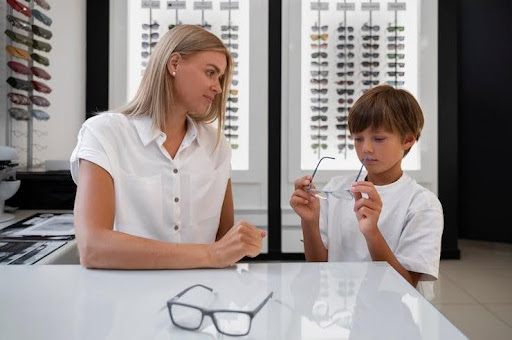
Parents should ask whether their child is a strong candidate for myopia-control glasses, not just whether the lenses are available. It is helpful to ask how success will be measured, how many hours of daily wear are expected, and whether the child’s current habits support this treatment. Understanding these details ensures the plan is practical and tailored to the child’s needs.
Frame selection is also important. Certain shapes and sizes work better with special lens designs for myopia, and a poor fit can reduce effectiveness even when the prescription is correct. A well-fitted frame encourages consistent wear and helps the lenses perform as intended.
Finally, parents should ask what the next step would be if progression continues. Knowing whether the plan includes monitoring, lifestyle adjustments, or alternative treatments helps families feel prepared and confident in supporting healthy visual development over time.
Your Next Steps Before Your Visit
Your best next step is scheduling a comprehensive eye exam Houston families trust, where your child’s prescription history, daily habits, and readiness for different treatments are carefully reviewed. Bring current glasses, past prescriptions, and a realistic understanding of how consistently your child wears eyewear during school, homework, and other daily activities. This information helps the optometrist determine the most effective approach for your child’s vision and myopia management.
If myopia-control glasses are a good fit, Kleinwood Vision can explain how they work, how progress will be tracked, and how they fit into a long-term care plan. If you are exploring myopia management without contacts, this evaluation is an excellent starting point. For guidance tailored to your child’s needs, contact us to schedule an evaluation and take the next step toward protecting your child’s vision for the future.
Contact Info
Hours of Operation
Mon - Fri | 9:00 AM - 5:00 PM
Sat - Sun | Closed
Holiday Hours: We are closed for the following holidays: New Years Day, Memorial Day, Independence Day, Labor Day, Thanksgiving Day, Christmas Day
The information provided on this website is for general informational purposes only and does not constitute professional medical advice, diagnosis, or treatment. Always seek the guidance of a licensed eye care professional or qualified health provider with any questions you may have regarding a medical condition or vision concern. Results from eye care services may vary by individual.
© 2026 Kleinwood Vision. All rights Reserved.