
Pediatric Care
Sensory-Friendly Myopia Routines for Kids

FSDAVCFEBFEVSDDVFSD

FSDAVCFEBFEVSDDVFSD

FSDAVCFEBFEVSDDVFSD
Begin Every Day With Predictable Structure
Use a simple visual schedule with photos for each step—wash, insert or dose, log, reward—posted at the sink and bedside. Keep supplies in labeled bins and pick preferred textures, like soft, non-scented towels and gentle, unscented soaps. Practice at the same time daily in calm, steady lighting. These basics anchor neurodiverse myopia care and create sensory-friendly routines.
Offer choices within structure, such as which towel, sticker, or timer sound. Introduce visual “done” icons for completed steps. Predictability lowers anxiety, improves cooperation, and compresses routines into repeatable sequences. Align home steps with your Houston pediatric optometrist plan to support progress during eye exams.
Use a simple visual schedule with photos for each step—wash, insert or dose, log, reward—posted at the sink and bedside. Keep supplies in labeled bins and pick preferred textures, like soft, non-scented towels and gentle, unscented soaps. Practice at the same time daily in calm, steady lighting. These basics anchor neurodiverse myopia care and create sensory-friendly routines.
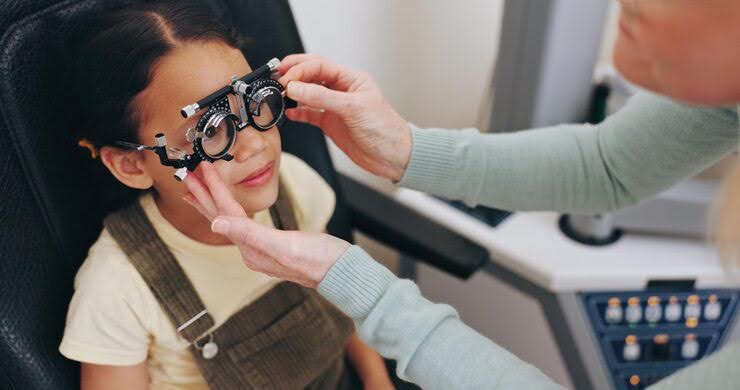
Offer choices within structure, such as which towel, sticker, or timer sound. Introduce visual “done” icons for completed steps. Predictability lowers anxiety, improves cooperation, and compresses routines into repeatable sequences. Align home steps with your Houston pediatric optometrist plan to support progress during eye exams.
Ortho-K, MiSight®, and Atropine Adaptations
For Ortho-K, use warm (not hot) water for handwashing and pre-warm saline to reduce cold-shock sensations. Allow your child to touch the dry lens case first, then practice fingertip placement with plain saline before actual insertion. Using a non-slip mat and a chin rest helps minimize unexpected touch and builds confidence. These small steps create a predictable routine that supports comfort and safety.
For MiSight®, break the process into micro-steps: start with mirror-only drills, then progress to dry finger-to-eyelid touch, followed by lens-to-finger, and finally lens-to-eye. Introduce only one new step per day and celebrate each success. If your child feels overwhelmed, step back without pressure. Pair lens wear with a preferred countdown, song, or gentle ritual. Soft lighting and a stable stool help maintain focus and reduce sensory stress.
For atropine, dose at a predictable bedtime alongside a favorite book. Dim the lights, provide a soft countdown, and keep plush tissues within reach. Let your child choose a “ready” word to signal comfort. These sensory-friendly adaptations respect individual preferences while supporting consistent Myopia Management, making routines smoother, safer, and more enjoyable for both child and family.
Desensitization Steps and Coaching Scripts

Use brief, predictable language: “First wash, then sticker.” Narrate calmly and clearly: “Look at the dot. Blink once. Good.” Keep prompts short, consistent, and gentle. If your child resists, pause, breathe together, reset the countdown, and try again—never force. Predictable cues help children feel safe and supported during contact lens or drop routines.
Celebrate micro-wins: clean hands, steady gaze, one smooth blink, or two seconds of lens tolerance. Track these small successes with tokens, stickers, or a visible progress chart.
Repeated, certain wins quickly build confidence and encourage cooperation. Over time, structured, stepwise routines make autism-friendly eye care manageable, reduce stress, and avoid battles. By focusing on short, repeatable steps and celebrating every achievement, families can create positive, predictable experiences that reinforce safe, effective contact lens or drop use while supporting independence and confidence in their child.
Use brief, predictable language during eye care routines. If a step stalls, back up one level and repeat it for two days before advancing. Introduce only one new sensation at a time, such as temperature, lighting, or touch. Keep sessions short and always end on a success to build confidence. Predictable, stepwise routines reduce stress and help children master each skill without pressure.
Share a preference sheet with your clinic, including favorite sounds, textures, and potential triggers, so office visits can mirror home routines. Consistency between home and the clinic supports cooperation more effectively than perfect technique. Bring logs to check-ins, as structured feedback allows your eye care team to fine-tune plans and adapt approaches across Pediatric Eye Exams and Comprehensive Eye Exams. When home and office routines align, children experience less anxiety, gain confidence, and maintain progress safely while achieving consistent outcomes in myopia management and other vision care practices.
School and Caregiver Coordination Plans
Provide a one-page plan for nurses and caregivers that outlines allowed products, step order, red flags, and contact information. Use icons instead of long text, and ensure the child recognizes the same symbols at school. Visual cues create consistency, reduce confusion, and support independence across environments.
Schedule regular check-ins before exam weeks, trips, or sports seasons. Adjust goals to maintain small wins during busy periods and reinforce ADHD-friendly habits, like maintaining distance, taking breaks, or using larger displays. Coordinate backups, including glasses, drops, and a short note with emergency contact numbers, so routines stay consistent even if challenges arise. Clear communication and predictable systems between home, school, and clinic help children feel secure, improve cooperation, and support smooth execution of eye care plans for pediatric and ADHD-sensitive routines.
Rewards, Gentle Timers, and Tools
Use rewards to encourage consistent routines. Token boards work best for streaks rather than single attempts. Children can trade tokens for preferred activities, extra story time, or small privileges. This approach reinforces persistence and builds positive habits over time.
Timers help structure routines without causing stress. Visual sand timers, gentle chimes, or picture countdowns give clear cues while avoiding harsh alarms that can trigger startle responses. Consistent, predictable timing supports focus and cooperation.
Use rewards to encourage consistent routines. Token boards work best for streaks rather than single attempts. Children can trade tokens for preferred activities, extra story time, or small privileges. This approach reinforces persistence and builds positive habits over time.
Timers help structure routines without causing stress. Visual sand timers, gentle chimes, or picture countdowns give clear cues while avoiding harsh alarms that can trigger startle responses. Consistent, predictable timing supports focus and cooperation.

Equip routines with supportive tools. Non-slip mats, soft towels, warm saline, lens stands, and adjustable mirrors free hands and reduce unexpected touch, making eye care smoother and more comfortable. Thoughtful tools, combined with structured rewards and gentle timers, create predictable, sensory-friendly routines that improve confidence, independence, and cooperation during pediatric eye care tasks.
Care Pathways and Gentle Escalation
If comfort or cooperation dips for three days, pause only the newest step while keeping earlier wins intact. Contact your clinic for a quick tune-up. A brief reset preserves trust, prevents frustration, and keeps momentum steady. Pausing selectively allows your child to maintain confidence in familiar routines without feeling pressured. This approach helps progress remain predictable and manageable, reinforcing a sense of safety and control during eye care activities.
For persistent dryness, anxiety, or variable visual clarity, your doctor may adjust the plan. Adjustments could include temporarily pausing autism-friendly contact lenses, modifying Ortho-K parameters, adjusting MiSight® schedules, or recommending approved lubrication and behavioral supports. Document each change with a simple, clear goal—such as “easier mornings”—and include the date for review. Tracking adjustments provides families and clinicians with a structured way to measure progress, identify patterns, and maintain consistency over time.
Before holidays, travel, or busy periods, shorten sessions and carry familiar tools: favorite towels, mirrors, stickers, and pre-warmed saline. Predictable kits reduce stress, maintain adherence, and provide comfort in new or changing environments. Consistent routines during transitions support independence, confidence, and cooperation, ensuring children feel secure and routines remain manageable even when schedules shift.
Once stability is established, gently stretch intervals or advance steps—always offering choice and consent. Regular check-ins with your clinic integrate Myopia Management goals with family rhythms. Combining predictability, flexibility, and supportive tools safeguards eye health while fostering confidence, independence, and positive experiences for children and families.
Parent & Teacher FAQs: Quick Wins
Can we skip hard days? Yes. Protecting trust is more important than completing every step. If a routine feels stressful or challenging, pause and resume the next day from the last successful step. This approach keeps progress predictable, prevents frustration, and reinforces your child’s confidence.
What if drops sting? Warm the bottle in your hand and confirm the brand. If discomfort continues, contact your clinic for guidance rather than forcing the step. Gentle adjustments reduce anxiety, maintain comfort, and support consistent adherence. Small, careful changes help routines remain positive and stress-free.
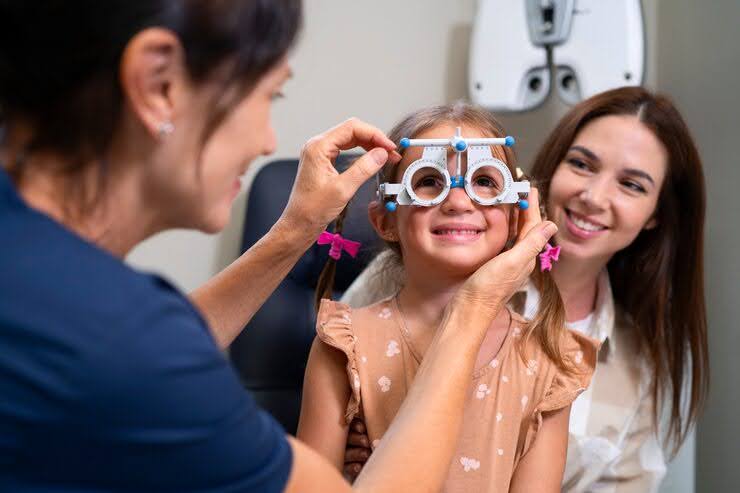
Can we skip hard days? Yes. Protecting trust is more important than completing every step. If a routine feels stressful or challenging, pause and resume the next day from the last successful step. This approach keeps progress predictable, prevents frustration, and reinforces your child’s confidence.
What if drops sting? Warm the bottle in your hand and confirm the brand. If discomfort continues, contact your clinic for guidance rather than forcing the step. Gentle adjustments reduce anxiety, maintain comfort, and support consistent adherence. Small, careful changes help routines remain positive and stress-free.
Are screens off-limits? No. Focus on ADHD-friendly habits: longer viewing distances, frequent breaks, and larger displays. How long is adaptation? Typically a few weeks. Measure wins, not minutes, and let your child help choose rewards for motivation. Celebrating small successes builds confidence, fosters independence, and makes routines manageable, positive, and sustainable for children and families.
A Gentle Plan for Myopia Success
Post the schedule where it’s seen, so your child can follow each step easily. Keep two choices available at every step and track visible wins to celebrate progress. If a week feels bumpy, simplify the routine, stabilize the steps, and request a quick coaching visit with your Houston pediatric optometrist. Small, consistent adjustments help children build confidence, reduce anxiety, and stay on track. Visual schedules and choice-driven steps make Myopia Management predictable, manageable, and child-friendly for families.
With sensory-aware steps, kind persistence, and coordinated care through Comprehensive Eye Exams, Pediatric Eye Exams, and Myopia Management, families can create safe, sustainable routines that truly fit their child. When in doubt, contact us at Kleinwood Vision. Thoughtful guidance paired with structured routines ensures adherence, supports independence, and makes eye care positive, consistent, and effective for both children and caregivers.
Contact Info
Hours of Operation
Mon - Fri | 9:00 AM - 5:00 PM
Sat - Sun | Closed
Holiday Hours: We are closed for the following holidays: New Years Day, Memorial Day, Independence Day, Labor Day, Thanksgiving Day, Christmas Day
The information provided on this website is for general informational purposes only and does not constitute professional medical advice, diagnosis, or treatment. Always seek the guidance of a licensed eye care professional or qualified health provider with any questions you may have regarding a medical condition or vision concern. Results from eye care services may vary by individual.
© 2026 Kleinwood Vision. All rights Reserved.