
Myopia Management
Myopia and Classroom Performance Signs

FSDAVCFEBFEVSDDVFSD
FSDAVCFEBFEVSDDVFSD
FSDAVCFEBFEVSDDVFSD
Why Vision Problems Can Look Like School Problems
Children do not always say, “I cannot see the board.” Instead, blurry distance vision often shows up as classroom behaviors that look like distraction, slow work, or inconsistent participation. A child struggling to see board content may hesitate to answer questions, copy incorrectly, or lose track of instructions simply because the visual information is not clear enough to follow comfortably. This is one of the ways myopia and classroom performance become closely connected.
This is why vision problems are sometimes mistaken for attention issues or lack of effort. A pediatric eye exam Houston parents rely on helps link concerns to myopia in the classroom clearly.
Children do not always say, “I cannot see the board.” Instead, blurry distance vision often shows up as classroom behaviors that look like distraction, slow work, or inconsistent participation. A child struggling to see board content may hesitate to answer questions, copy incorrectly, or lose track of instructions simply because the visual information is not clear enough to follow comfortably. This is one of the ways myopia and classroom performance become closely connected.
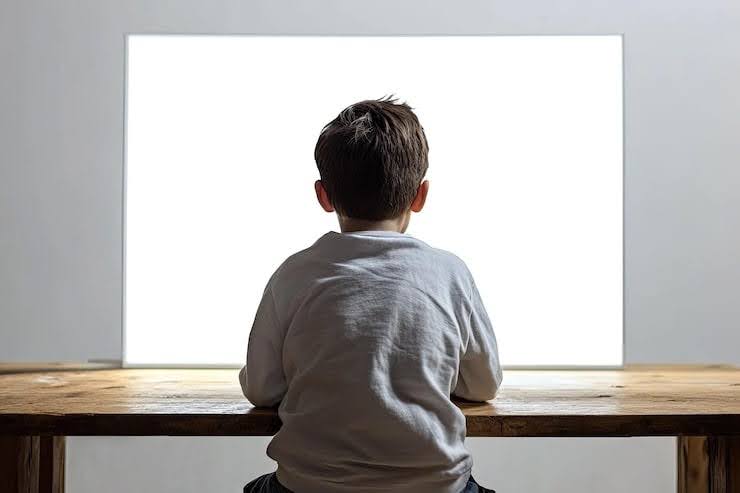
This is why vision problems are sometimes mistaken for attention issues or lack of effort. A pediatric eye exam Houston parents rely on helps link concerns to myopia in the classroom clearly.
Classroom Signs Parents and Teachers Miss
One of the most common signs child cannot see at school is difficulty seeing the board, projected lesson materials, or demonstrations from the front of the room. A child may squint, lean forward, ask classmates for help, or make copying mistakes that seem careless but ctually reflect blur. Some children stop raising their hand because they are less confident they understood what they saw, which can affect participation over time.
The signs are not always obvious. A child may prefer sitting in the front, complain that distant writing looks fuzzy, or take longer to finish assignments that require switching between desk work and far-away reference points. Teachers may notice inconsistent performance, especially when the child does better on close tasks than during full-class instruction, creating a mismatch in learning outcomes.
Because many children adapt quietly, the pattern can go unnoticed for a long time. They may rely on memory, peers, or avoidance strategies instead of speaking up about the issue. A comprehensive eye exam Houston providers offer helps confirm whether myopia is contributing and whether the child needs clearer correction or a myopia management evaluation if changes are progressing over time.
How Distance Blur Affects Learning
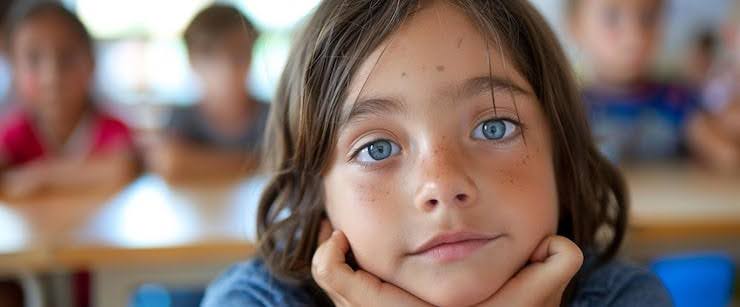
Classroom learning depends on more than reading a book up close. Children constantly shift focus between notebooks, screens, teachers, and boards across the room. If distance vision is blurry, they may miss instructions, write things down incorrectly, or fall behind even when they are trying to stay engaged. This is a key reason myopia and classroom performance are so closely linked, as clear vision supports consistent understanding during lessons.
Over time, a child may begin avoiding participation because school feels harder than it should. Parents might hear that the child is distracted or not paying attention, when the real issue is visual access.
When these patterns appear, a pediatric eye exam Houston visit is often the simplest way to rule out an underlying vision problem before assuming the issue is behavioral or related to learning ability.
Parents can help by asking more specific questions instead of general ones like “Can you see okay?” Children often say yes because they have adapted or may not realize anything is wrong with their vision. Asking whether the board looks blurry, whether they struggle to read distant writing, or whether they prefer sitting closer can reveal more useful and accurate information about what they are experiencing in class.
It also helps to speak with teachers about patterns during the school day. Knowing whether the child squints, loses place while copying, or performs differently depending on seating can highlight consistent visual challenges that might otherwise be missed. These details make the exam more meaningful and help connect symptoms to real classroom demands, allowing eye care providers to better assess whether issues like myopia are affecting performance and whether further steps are needed.
When Myopia Monitoring Becomes Important
If a child already wears glasses, classroom complaints may signal that the prescription is no longer strong enough. A child who once saw clearly may begin squinting again, moving closer, or showing signs child cannot see at school because myopia has progressed. These changes should not be ignored simply because correction is already in place, as shifting vision can affect daily learning and confidence.
This is where a myopia management evaluation becomes valuable. The goal is not only to update the prescription but also to understand how quickly vision is changing over time. A comprehensive eye exam Houston families trust can help determine whether the pattern is stable or requires closer monitoring and long-term planning to support clear vision and reduce further progression of myopia in the classroom and beyond.
Why Teachers’ Comments Truly Matter
Teachers often notice patterns parents cannot see from home. They may be the first to mention squinting, copying errors, or reduced participation during board-based lessons. These signs often appear gradually and may be mistaken for other issues.
These observations matter because they reflect how the child functions in a visually demanding environment for several hours each day. Classroom behavior often reveals myopia in the classroom more clearly than home routines. Early recognition helps improve learning outcomes and classroom confidence significantly over time effectively.
Teachers often notice patterns parents cannot see from home. They may be the first to mention squinting, copying errors, or reduced participation during board-based lessons. These signs often appear gradually and may be mistaken for other issues.
These observations matter because they reflect how the child functions in a visually demanding environment for several hours each day. Classroom behavior often reveals myopia in the classroom more clearly than home routines. Early recognition helps improve learning outcomes and classroom confidence significantly over time effectively.

If a teacher raises concerns, it is worth following up. A simple comment about seating or missed information can be an important clue that leads to a useful diagnosis. Timely attention can prevent ongoing academic frustration and support better visual health overall.
How Early Testing Supports Better Outcomes
Early testing gives families a clearer understanding of what is affecting performance. When a child struggling to see board content is evaluated promptly, it becomes easier to determine whether vision is the main issue or part of a larger pattern influencing learning and attention in the classroom. This helps reduce uncertainty and supports more accurate decisions about care and academic support.
It also provides a baseline for future comparison. Even if the prescription is mild, tracking changes over time helps guide decisions about follow-up and whether additional support may be needed. This is especially important as academic demands increase and children rely more heavily on clear distance vision for copying from the board and participating in lessons.
Most importantly, early testing reduces guesswork. Instead of assuming the problem is attention or motivation, parents gain a clear explanation that supports more effective solutions both at school and at home. It also improves communication with teachers and helps ensure concerns are addressed in a timely and informed way, reducing misunderstandings about classroom behavior.
Classroom struggles often seem more complex than they really are until vision is checked. A child who appears distracted or inconsistent may simply be working harder to interpret blurry information. That does not mean every issue is caused by myopia, but it does mean vision should be evaluated early when patterns involve distance tasks. Once an exam provides answers, families can move forward with more confidence, whether that means glasses, updated prescriptions, or closer monitoring. The key advantage of early evaluation is clarity, helping ensure the right support is provided for both learning and long-term visual development.
Qestions Parents Can Ask School Staff
Parents should ask whether their child struggles most during distance-based activities like board work or presentations. This helps separate general concerns from vision-related patterns and makes it easier to identify whether myopia or another issue may be affecting classroom performance. Clear examples from daily school tasks provide better insight than broad observations alone.
It is also helpful to ask whether seating position affects performance. Improvement in the front row can be a strong indicator of distance blur and may suggest that the child is having difficulty seeing clearly from farther away. Noticing this pattern can guide timely decisions about further evaluation.
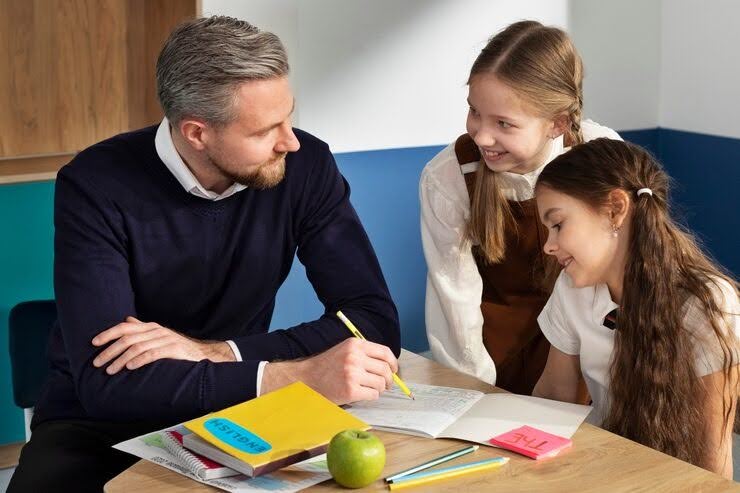
Parents should ask whether their child struggles most during distance-based activities like board work or presentations. This helps separate general concerns from vision-related patterns and makes it easier to identify whether myopia or another issue may be affecting classroom performance. Clear examples from daily school tasks provide better insight than broad observations alone
It is also helpful to ask whether seating position affects performance. Improvement in the front row can be a strong indicator of distance blur and may suggest that the child is having difficulty seeing clearly from farther away. Noticing this pattern can guide timely decisions about further evaluation.
Finally, ask whether teachers have noticed squinting, hesitation, or copying mistakes. Specific feedback is far more useful than general labels when identifying possible vision problems. These detailed observations help connect behavior with visual challenges and support more accurate next steps in care.
Your Next Steps Before the Visit
If your child shows signs of difficulty at school, schedule a comprehensive eye exam Houston visit that includes distance testing and discussion of classroom behavior. Bring any glasses, teacher feedback, and notes about squinting or seating preferences. These details help make the evaluation more precise.
If myopia in the classroom is affecting performance, Kleinwood Vision can help determine whether clearer correction or a myopia management evaluation is needed. A clear plan makes it easier to track progress and know when to Contact us for follow-up care. Early evaluation supports better learning outcomes, reduces visual strain, and ensures children receive appropriate guidance tailored to their academic environment and visual needs over time. It also helps parents understand next steps clearly and supports consistent monitoring through follow-up visits when required, ensuring long-term visual health stability for growing children in everyday school life.
Contact Info
Hours of Operation
Mon - Fri | 9:00 AM - 5:00 PM
Sat - Sun | Closed
Holiday Hours: We are closed for the following holidays: New Years Day, Memorial Day, Independence Day, Labor Day, Thanksgiving Day, Christmas Day
The information provided on this website is for general informational purposes only and does not constitute professional medical advice, diagnosis, or treatment. Always seek the guidance of a licensed eye care professional or qualified health provider with any questions you may have regarding a medical condition or vision concern. Results from eye care services may vary by individual.
© 2026 Kleinwood Vision. All rights Reserved.