
NeuroLens
NeuroLens Screening for Adult Motion Sickness

FSDAVCFEBFEVSDDVFSD
FSDAVCFEBFEVSDDVFSD

FSDAVCFEBFEVSDDVFSD
Why Adult Motion Sensitivity Feels Confusing
Motion sickness as an adult can feel confusing, especially when symptoms appear unexpectedly or become more noticeable over time. Some adults experience nausea during travel, dizziness in busy stores, discomfort while scrolling on screens, or visual overload in crowded environments. Many people associate these symptoms with inner-ear problems and may not consider that their visual system could contribute.
Motion sickness can involve factors such as vestibular disorders, migraines, medication effects, anxiety, neurological conditions, and visual strain. NeuroLens screening does not replace medical care or diagnosis, but it can help determine whether binocular vision strain and subtle eye alignment issues may be contributing to symptoms in demanding visual situations.
Motion sickness as an adult can feel confusing, especially when symptoms appear unexpectedly or become more noticeable over time. Some adults experience nausea during travel, dizziness in busy stores, discomfort while scrolling on screens, or visual overload in crowded environments. Many people associate these symptoms with inner-ear problems and may not consider that their visual system could contribute.
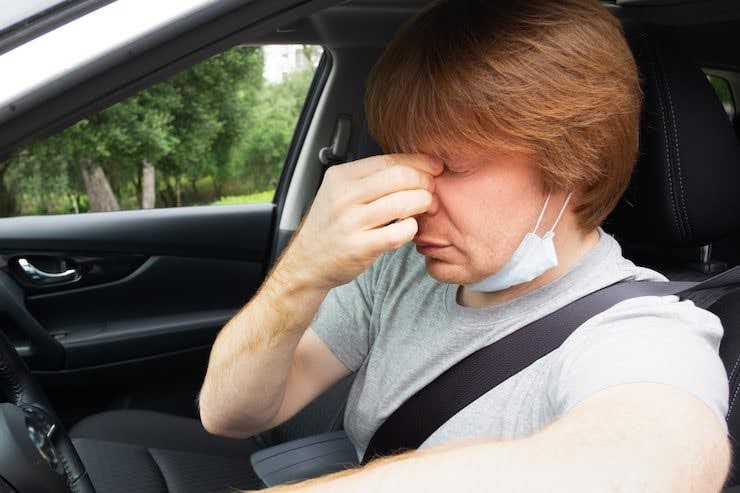
Motion sickness can involve factors such as vestibular disorders, migraines, medication effects, anxiety, neurological conditions, and visual strain. NeuroLens screening does not replace medical care or diagnosis, but it can help determine whether binocular vision strain and subtle eye alignment issues may be contributing to symptoms in demanding visual situations.
How Eye Alignment Can Add to Symptoms
Binocular vision relies on both eyes working together efficiently to create clear and stable images. When the eyes are slightly misaligned, the brain may need to work harder to keep images single and comfortable. In quiet visual environments, this extra effort may not be noticeable. However, during situations involving motion or complex visuals, the demand on the visual system can become more challenging.
This can happen while riding in a car, walking through a grocery store, scrolling on a smartphone, watching fast-moving videos, or moving through crowded public spaces. The visual system constantly processes movement, depth, focus changes, and surrounding details. If eye alignment is already under strain, these added demands may increase discomfort and visual stress.
People experiencing eye alignment problems dizziness may notice nausea, headaches, eye pressure, neck tension, fatigue, or disorientation after visually demanding activities. These symptoms do not always mean alignment is the cause, but they should be discussed during comprehensive eye exams. At Kleinwood Vision, a NeuroLens screening Houston evaluation can help determine whether subtle alignment issues may be contributing to the overall symptom pattern.
Situations That May Point to Visual Motion Sensitivity

Visual motion sensitivity may be suspected when symptoms are triggered mainly by what the eyes are processing rather than by physical movement alone. Common examples include scrolling through social media, watching fast camera movements on television, reading in a moving vehicle, walking through store aisles, or focusing on moving crowds. These activities place greater demands on visual coordination, eye teaming, and the ability to maintain clear, comfortable vision during changing environments.
The pattern of symptoms is important. If discomfort improves when the eyes rest, close, or move away from visually complex...
surroundings, binocular vision strain may deserve further evaluation. Patients should also discuss migraine history, vestibular disorders, medications, and other medical conditions because motion sensitivity can involve multiple contributing factors. A detailed evaluation can help determine whether visual processing issues may be affecting comfort, focus, and daily activities.
Adults often dismiss these symptoms because they assume motion sickness is something that only affects children or travelers. Others gradually adapt by avoiding situations that trigger discomfort. They may stop reading in vehicles, avoid crowded stores, reduce travel, or feel anxious in places that once felt comfortable. Over time, these changes can limit daily activities and affect overall quality of life.
A symptom diary can be extremely helpful during an evaluation. Patients can record when symptoms occur, how long they last, what triggers them, and whether nausea, dizziness, headaches, or eye strain are present. Tracking experiences related to screens, driving, crowds, scrolling, or shopping can help identify patterns and provide valuable information for the doctor. These details may help determine whether visual factors, including binocular vision strain or eye alignment concerns, are contributing to discomfort and should be evaluated further.
What NeuroLens Screening Looks For
NeuroLens screening measures how the eyes align at different viewing distances and helps identify subtle eye alignment issues that may not be detected during a standard prescription check. Even small alignment challenges can place additional stress on the visual system, especially during near work, screen use, motion-heavy environments, driving, or other visually demanding activities.
The screening results are reviewed alongside the patient’s symptoms and findings from comprehensive eye exams to better understand the overall pattern. If the measurements and symptom history support each other, the doctor may discuss whether contoured prism lenses could help reduce visual strain and improve comfort. If the results do not align, the screening still provides valuable information to guide further evaluation and explore other possible causes of symptoms.
When Medical Care Comes First
New, severe, or unexplained motion sickness should never be ignored. Symptoms such as dizziness and nausea may sometimes be connected to medical conditions that require evaluation beyond an eye examination. Identifying the cause is important for receiving appropriate care.
Patients should seek prompt medical attention if symptoms are linked with fainting, chest pain, weakness, speech difficulties, sudden double vision, severe headaches, or other neurological changes. These warning signs may require further medical evaluation to rule out serious conditions.
New, severe, or unexplained motion sickness should never be ignored. Symptoms such as dizziness and nausea may sometimes be connected to medical conditions that require evaluation beyond an eye examination. Identifying the cause is important for receiving appropriate care.
Patients should seek prompt medical attention if symptoms are linked with fainting, chest pain, weakness, speech difficulties, sudden double vision, severe headaches, or other neurological changes. These warning signs may require further medical evaluation to rule out serious conditions.

For ongoing but non-urgent visual motion symptoms, NeuroLens screening may be considered as part of a broader evaluation after serious causes have been ruled out. It can be helpful when visual triggers appear consistent and may provide insight into possible binocular vision concerns.
Why NeuroLens Screening Can Be Helpful
NeuroLens may be beneficial for some adults because it evaluates aspects of vision that standard clarity testing may not fully explain. A patient may achieve clear results on an eye chart and still experience significant visual strain while using screens, moving through crowded spaces, or managing visually complex motion. This disconnect can be frustrating when symptoms continue despite having an otherwise accurate prescription.
The purpose of NeuroLens motion sickness evaluation is to connect a patient’s symptoms with measurable eye alignment data. If an adult experiences dizziness while walking through store aisles, nausea while scrolling on a phone, or discomfort during visually demanding activities, the screening can help determine whether the eyes are working harder than expected to maintain alignment. When the findings support the symptom pattern, NeuroLens may become part of the overall management plan.
The value of screening is that it can identify a possible visual component or help rule one out. Either outcome provides patients with more direction than simply guessing about the cause of their symptoms. By combining symptom history, testing results, and professional guidance, NeuroLens evaluation can help create a clearer path toward understanding and managing visually related discomfort.
Questions to Ask During Screening
Ask whether your symptoms follow a visual pattern or seem more likely to come from another system. Understanding this distinction helps keep the evaluation balanced and ensures that all possible causes are considered. A thorough discussion of your symptoms, triggers, and daily experiences can help create a clearer understanding of what may be contributing to discomfort.
Ask what your NeuroLens measurements reveal and whether they match your most common triggers. The connection between test results and real-world experiences is important when deciding whether treatment may be helpful. Reviewing these details can make the evaluation more personalized and focused.

Ask whether your symptoms follow a visual pattern or seem more likely to come from another system. Understanding this distinction helps keep the evaluation balanced and ensures that all possible causes are considered. A thorough discussion of your symptoms, triggers, and daily experiences can help create a clearer understanding of what may be contributing to discomfort.
Ask what your NeuroLens measurements reveal and whether they match your most common triggers. The connection between test results and real-world experiences is important when deciding whether treatment may be helpful. Reviewing these details can make the evaluation more personalized and focused.
Finally, ask how improvement would be measured if NeuroLens is recommended. Goals may include less nausea, fewer headaches, reduced binocular vision strain, improved screen tolerance, or greater comfort in visually demanding environments. Clear expectations can help determine whether treatment is providing meaningful results.
Consider a Visual Motion Evaluation
If motion sickness, dizziness, nausea, or visual discomfort occurs during screens, scrolling, driving, shopping, or time spent in crowded spaces, keep a record of your symptoms and bring those notes to your appointment. Include details about medications, migraines, medical history, and whether symptoms improve when your eyes rest. These details help the doctor evaluate the complete picture and determine whether visual motion sensitivity may be contributing to your symptoms.
Kleinwood Vision can perform NeuroLens screening to determine whether eye alignment problems may be contributing to adult motion sensitivity. A targeted binocular vision evaluation can help identify whether your symptoms have a visual component and whether NeuroLens may be a suitable option. If you have questions about ongoing symptoms, contact us to schedule comprehensive eye exams and discuss personalized evaluation options.
Contact Info
Hours of Operation
Mon - Fri | 9:00 AM - 5:00 PM
Sat - Sun | Closed
Holiday Hours: We are closed for the following holidays: New Years Day, Memorial Day, Independence Day, Labor Day, Thanksgiving Day, Christmas Day
The information provided on this website is for general informational purposes only and does not constitute professional medical advice, diagnosis, or treatment. Always seek the guidance of a licensed eye care professional or qualified health provider with any questions you may have regarding a medical condition or vision concern. Results from eye care services may vary by individual.
© 2026 Kleinwood Vision. All rights Reserved.