
Dry Eye
Mask-Related Dry Eye at Work Relief

FSDAVCFEBFEVSDDVFSD

FSDAVCFEBFEVSDDVFSD

FSDAVCFEBFEVSDDVFSD
Why Masks Can Worsen Dry Eye
Mask related dry eye, often called mask dry eye syndrome, develops when exhaled air escapes upward and flows across the surface of the eyes. This airflow increases tear evaporation and destabilizes the tear film, so eyes may burn, sting, blur, or feel gritty, even without prior dryness. Contact lens wearers notice symptoms sooner.
This issue is common during long shifts, in dry indoor air, or with extended screen use. The mask itself is not harmful; upward airflow and reduced blinking are main contributors. Improving mask fit, screen habits, and lens routines can reduce dry eye at work while maintaining protective measures for most adults effectively.
Mask related dry eye, often called mask dry eye syndrome, develops when exhaled air escapes upward and flows across the surface of the eyes. This airflow increases tear evaporation and destabilizes the tear film, so eyes may burn, sting, blur, or feel gritty, even without prior dryness. Contact lens wearers notice symptoms sooner.

This issue is common during long shifts, in dry indoor air, or with extended screen use. The mask itself is not harmful; upward airflow and reduced blinking are main contributors. Improving mask fit, screen habits, and lens routines can reduce dry eye at work while maintaining protective measures for most adults effectively.
Common Symptoms and Quick Self-Checks
Mask-related dryness often feels like burning, scratchiness, fluctuating blur, or watery eyes that improve after blinking. Excess tearing may seem confusing, but it is usually a reflex response to dryness rather than true lubrication. Symptoms frequently worsen during work hours and improve after leaving the building or removing the mask. If you notice contacts feel dry with mask use or your eyes tire faster during computer tasks, tear evaporation may be increasing and disrupting overall comfort.
Try a simple self-check. Gently press the top edge of your mask down—does watering improve? Does blur clear after several blinks? Do symptoms intensify in air-conditioned rooms or near fans? These patterns suggest airflow is disrupting tear stability and contributing to irritation. Contact lens discomfort office workers experience often appears as lenses feeling “stuck,” vision fluctuating, or comfort dropping earlier than expected in the day.
If redness lingers after work or you notice lid crusting, frequent styes, or ongoing irritation, baseline dry eye or lid inflammation may be present. An eye exam can determine whether evaporative dry eye, allergy involvement, or lens fit concerns are contributing so treatment can be targeted effectively and long-term relief can be achieved.
Workplace Fixes That Reduce Upward Airflow
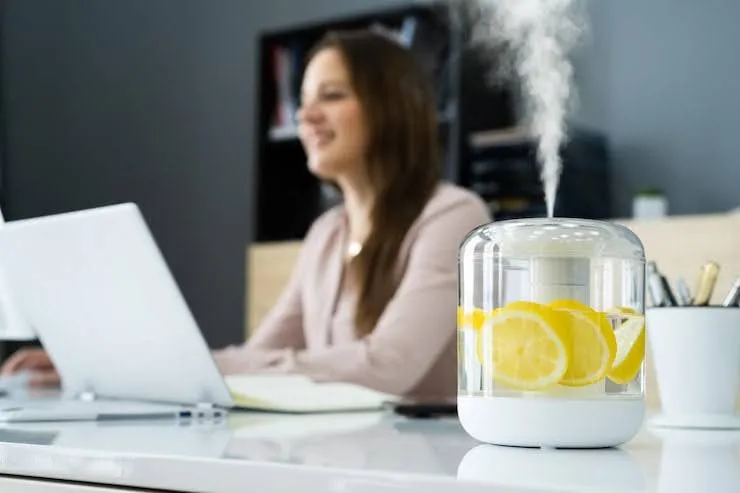
Improving mask fit is the first step. Choose a mask with a firm nose wire and mold it securely along your nose and cheekbones, pressing along the entire top seam rather than just the bridge. If workplace policy allows, a small strip of skin-safe tape can reduce upward airflow during long screen sessions. Proper fit often lessens mask related dry eye symptoms within minutes and supports clearer, more comfortable vision throughout the day.
Environmental adjustments also help. Move fans away from your face, direct vents downward, and consider a desk humidifier if the air is dry.
Position screens slightly below eye level so your eyes look downward, exposing less surface area to airflow. Combine these changes with intentional full blinking and short visual breaks to stabilize tears, reduce evaporation, and maintain eye comfort during extended computer use.
For contact lens wearers, planning ahead is essential. If dryness usually appears mid-shift, schedule a glasses break before discomfort escalates. Use preservative-free lubricating drops labeled safe for contact lenses, and avoid redness relievers that may worsen dryness over time. Reusable lens wearers should ensure their cleaning solution is appropriate and replace cases regularly to reduce contamination and surface buildup, which can aggravate mask related dry eye. Taking these steps helps maintain comfort and clear vision throughout long workdays.
Jobs that require prolonged speaking, teaching, or healthcare work increase airflow and tear evaporation. In these situations, strengthening the mask seal and shortening lens wear time can prevent flare-ups. If symptoms persist, switching to daily disposable lenses may reduce residue accumulation and improve comfort in dry environments. Combined with proper mask fit and environmental adjustments, these strategies help contact lens wearers manage mask related dry eye effectively and maintain eye health during extended work hours.
Contact Lens Tips for Mask Days
Keep lens wear simple and proactive. Use contact-safe lubricating drops before dryness peaks rather than waiting for burning, stinging, or blur. If vision fluctuates and does not stabilize after blinking and rewetting, remove lenses and switch to glasses. Protecting the cornea should always take priority over convenience, as prolonged irritation can worsen mask related dry eye symptoms and affect overall eye health.
If repeated dryness occurs, discuss with your eye care professional whether lens material, fit, or replacement schedule should be adjusted. Treating lid inflammation with warm compresses and gentle hygiene can significantly improve tear quality. Mask dry eye syndrome often reveals an underlying tear film issue that benefits from targeted care. Combining these steps with proper mask fit, intentional blinking, and environmental adjustments helps maintain comfort and clear vision throughout the day.
When to Schedule a Dry Eye Exam
Schedule an appointment if redness continues after work, you rely on drops multiple times per day, or contacts become increasingly uncomfortable. Chronic dryness can cause inflammation that requires more than over-the-counter products, especially with mask related dry eye. Early evaluation helps prevent worsening irritation and protects overall eye health.
Seek prompt care if you experience sharp pain, discharge, light sensitivity, or persistent blurred vision. These symptoms may indicate corneal irritation or infection, particularly for contact lens wearers, and should not be ignored. Timely attention ensures proper treatment and prevents complications.
Schedule an appointment if redness continues after work, you rely on drops multiple times per day, or contacts become increasingly uncomfortable. Chronic dryness can cause inflammation that requires more than over-the-counter products, especially with mask related dry eye. Early evaluation helps prevent worsening irritation and protects overall eye health.
Seek prompt care if you experience sharp pain, discharge, light sensitivity, or persistent blurred vision. These symptoms may indicate corneal irritation or infection, particularly for contact lens wearers, and should not be ignored. Timely attention ensures proper treatment and prevents complications.
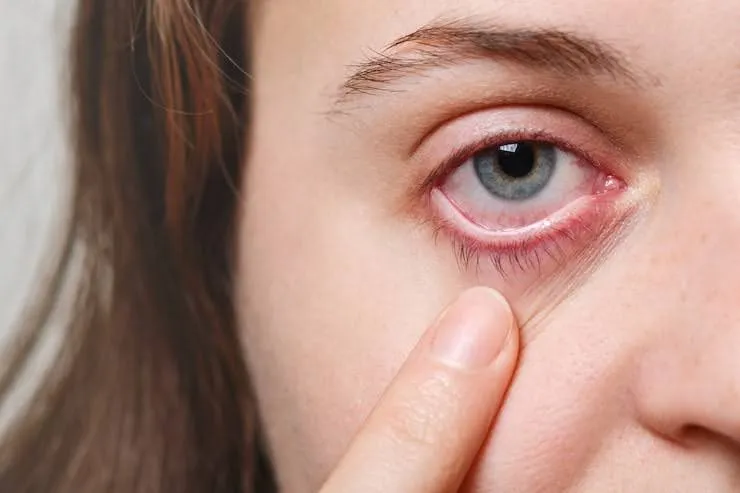
If allergies, eyelid crusting, or frequent styes accompany your symptoms, lid treatment may be necessary. A professional evaluation identifies underlying tear film or lid issues and prevents minor dryness from developing into a more serious condition.
Clinic Solutions That Improve All-Day Comfort
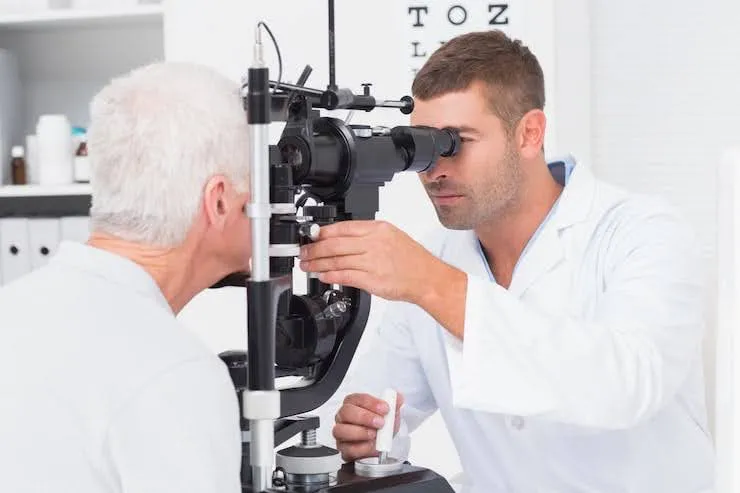
In-office care focuses on identifying the primary driver of dryness—whether evaporative tear loss, gland dysfunction, allergy overlap, or lens-related surface stress. During an eye exam at Kleinwood Vision, your optometrist may evaluate tear breakup time, lid margins, gland health, and corneal staining. These findings explain why symptoms intensify under mask airflow and why certain drops provide only temporary relief. Understanding the root cause allows for a targeted treatment approach rather than just symptom management.
Treatment is typically layered. Many patients improve with consistent lid hygiene, warm compresses, preservative-free tears, and workplace adjustments. If inflammation is significant, prescription medications or targeted therapies may be recommended. Patients seeking dry eye treatment Houston options often benefit from customized plans designed to stabilize the tear film and restore lasting comfort, combining clinical care with practical strategies for everyday mask use.
For contact lens wearers, adjustments in lens type, material, or replacement schedule can dramatically improve tolerance. Switching to daily disposables or moisture-retaining materials may reduce dryness during long shifts. A structured wear schedule—including when to insert lenses, reapply drops, and switch to glasses—helps protect corneal health during heavy mask use periods and prevents flare-ups.
Long-term comfort depends on improving tear stability and reducing surface inflammation rather than simply reacting to symptoms. Once the tear film is healthier, mask related dry eye becomes far less disruptive to daily work routines. With ongoing care, patients can maintain clear vision, comfortable lens wear, and overall eye health even during extended work hours.
Questions to Ask for Faster Relief
Ask, “Is this primarily evaporative dry eye, allergy, or both?” The answer guides whether lid hygiene, allergy treatment, or lubrication should be prioritized. Confirm which drops are safest with contact lenses and how often they should be used during work hours. If dryness persists, ask whether daily disposables would reduce contact lens discomfort office workers commonly experience.
Discuss mask fit strategies and whether taping the top edge is appropriate for your skin. Confirm whether your cleaning solution could contribute to irritation and whether your lens wear schedule should be adjusted. Structured guidance reduces guesswork, protects the cornea, and improves comfort during long shifts or extended screen use.
Ask, “Is this primarily evaporative dry eye, allergy, or both?” The answer guides whether lid hygiene, allergy treatment, or lubrication should be prioritized. Confirm which drops are safest with contact lenses and how often they should be used during work hours. If dryness persists, ask whether daily disposables would reduce contact lens discomfort office workers commonly experience.
Discuss mask fit strategies and whether taping the top edge is appropriate for your skin. Confirm whether your cleaning solution could contribute to irritation and whether your lens wear schedule should be adjusted. Structured guidance reduces guesswork, protects the cornea, and improves comfort during long shifts or extended screen use.
Finally, clarify warning signs that require urgent care. Knowing when to remove lenses and contact your eye care provider protects vision and prevents minor irritation from progressing into corneal complications. This approach helps contact lens wearers manage mask related dry eye safely.
Mask-Day Comfort Plan for Work
Start each shift by improving your mask seal—mold the nose wire firmly and press along the top seam. Position screens slightly below eye level, move fans away from your face, and take short blinking breaks during long tasks. Use preservative-free, contact-safe drops proactively and plan a glasses break if symptoms begin early. These small steps reduce tear evaporation, stabilize the tear film, and improve daily comfort during work hours.
At home, support tear quality with warm compresses and gentle lid hygiene. Replace contact lens cases regularly and avoid extending wear time simply because the day is busy. If symptoms continue or worsen, schedule an eye exam at Kleinwood Vision to receive a personalized evaluation and dry eye treatment Houston patients rely on for lasting relief. Consistent care helps protect corneal health and manage mask related dry eye effectively.
Contact Info
Hours of Operation
Mon - Fri | 9:00 AM - 5:00 PM
Sat - Sun | Closed
Holiday Hours: We are closed for the following holidays: New Years Day, Memorial Day, Independence Day, Labor Day, Thanksgiving Day, Christmas Day
The information provided on this website is for general informational purposes only and does not constitute professional medical advice, diagnosis, or treatment. Always seek the guidance of a licensed eye care professional or qualified health provider with any questions you may have regarding a medical condition or vision concern. Results from eye care services may vary by individual.
© 2026 Kleinwood Vision. All rights Reserved.