
Eye Exams
Latent Hyperopia: When Symptoms Appear

FSDAVCFEBFEVSDDVFSD
FSDAVCFEBFEVSDDVFSD

FSDAVCFEBFEVSDDVFSD
Why Hidden FarsightednessGoes Unnoticed
Latent hyperopia is hidden farsightedness that can go unnoticed because the eyes compensate by focusing harder. Many people read the 20/20 line during a quick screening and assume their vision is normal. In reality, clarity comes from constant effort rather than effortless vision, and symptoms appear when the visual system becomes tired.
Over time, this extra strain can cause eye strain headaches, fatigue after reading, or blurred vision during extended screen use. Some notice discomfort during driving or computer work. A comprehensive eye exam Houston patients trust can identify whether symptoms stem from latent hyperopia, dry eye, or focusing imbalance, ensuring treatment targets the true cause.
Latent hyperopia is hidden farsightedness that can go unnoticed because the eyes compensate by focusing harder. Many people read the 20/20 line during a quick screening and assume their vision is normal. In reality, clarity comes from constant effort rather than effortless vision, and symptoms appear when the visual system becomes tired.

Over time, this extra strain can cause eye strain headaches, fatigue after reading, or blurred vision during extended screen use. Some notice discomfort during driving or computer work. A comprehensive eye exam Houston patients trust can identify whether symptoms stem from latent hyperopia, dry eye, or focusing imbalance, ensuring treatment targets the true cause.
How Exams Reveal the Full Prescription
A latent hyperopia evaluation usually begins with visual acuity testing and refraction. The goal is not only to see how clearly you read letters but also to assess how hard the eyes work to maintain clarity. Your optometrist may ask about headaches, fatigue after computer use, or blurred vision after reading. Questions about posture, neck tension, and squinting help identify whether the visual system is under constant focusing strain, indicating hidden farsightedness.
Binocular vision and focusing tests provide additional insight. Accommodation testing measures how strongly the eyes focus and whether they relax properly when shifting from near to distance tasks. Alignment and convergence testing evaluates how efficiently the eyes work together. Difficulty switching focus between screens and distant objects is often explained by these assessments. Tear film may also be checked since dryness can worsen visual fatigue and affect measurement accuracy.
When latent hyperopia is suspected, cycloplegic refraction is the most revealing test. By temporarily relaxing the focusing muscle, the doctor can measure the full farsighted prescription without compensation. This reveals hidden hyperopia that standard exams may miss. A dilated eye health check may also be performed to evaluate the retina and optic nerve and rule out other eye conditions.
Symptoms That Don’t Look Like Vision
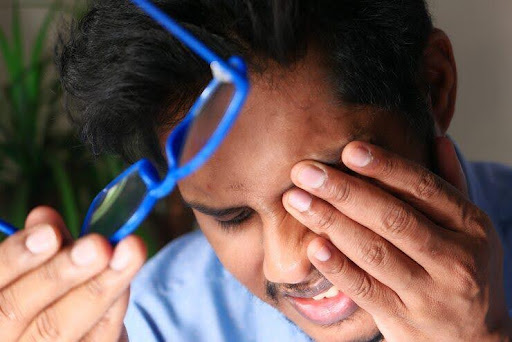
Latent hyperopia often appears as discomfort rather than obvious blur. Many people experience eye strain headaches, pressure around the eyes, or fatigue during reading and screen work. Others notice watering, burning, or a gritty sensation later in the day. Some need frequent breaks because keeping words clear on a page requires constant effort, making extended tasks tiring.
Symptoms often follow a daily pattern: vision feels fine in the morning but becomes harder to maintain by evening.
Tasks like spreadsheets, texting, sewing, or prolonged reading may become frustrating as focus feels unstable. Children may avoid reading, lose their place on a page, or become irritable during homework. A comprehensive eye exam Houston providers perform can confirm whether latent hyperopia is the cause and whether correction would reduce strain. Early detection ensures treatment targets the problem, improving visual comfort and supporting healthy focusing habits over time.
For accurate exam results, arrive ready to describe when symptoms appear and what tasks trigger them. Bringing current glasses or contact lens details, previous prescriptions, and a medication list helps your doctor compare results and identify patterns. If you wear contact lenses, ask whether you should pause wear before your appointment so measurements remain stable. If cycloplegic drops are planned, sunglasses can make the temporary light sensitivity more comfortable.
Once hidden farsightedness is identified, treatment often begins with the right amount of plus power in glasses. Some patients start by using glasses mainly for reading or computer work before transitioning to more regular wear if needed. Improved lighting, larger text, and frequent visual breaks can also reduce focusing demand. Many patients notice fewer headaches before they notice dramatic clarity changes, simply because their eyes are finally working less to maintain focus.
Kids and Adults Show Different Signs
Children with latent hyperopia may not complain about blur directly. Instead, they might avoid reading, lose concentration during homework, or complain of headaches after school. Some children say words seem to move on the page or feel motion sickness while riding in the car. Because children can focus strongly, they may pass school vision screenings even when their eyes are under heavy strain.
Adults often notice symptoms differently. They may experience end-of-day blur, eye fatigue during long computer sessions, or difficulty sustaining focus during reading. Vision may feel easier on weekends or vacations when screen demands decrease. In both children and adults, the goal of treatment is to reduce the workload on the focusing system so vision remains clear without constant effort.
Why Cycloplegic Testing Changes Results
Without cycloplegia, the eyes can compensate for farsightedness by focusing harder. This means a person may still read an eye chart clearly even though their visual system is working overtime. The hidden effort is what often leads to discomfort and fatigue throughout the day.
Cycloplegic refraction temporarily relaxes the focusing muscle so the eyes cannot compensate. This allows your optometrist to measure the full farsighted prescription accurately. When the hidden focusing effort is removed, latent hyperopia becomes visible in the test results.
Without cycloplegia, the eyes can compensate for farsightedness by focusing harder. This means a person may still read an eye chart clearly even though their visual system is working overtime. The hidden effort is what often leads to discomfort and fatigue throughout the day.
Cycloplegic refraction temporarily relaxes the focusing muscle so the eyes cannot compensate. This allows your optometrist to measure the full farsighted prescription accurately. When the hidden focusing effort is removed, latent hyperopia becomes visible in the test results.
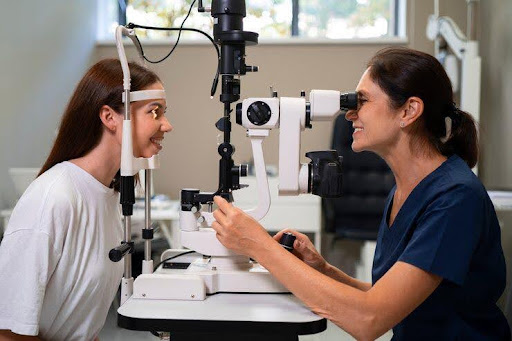
This explains why quick screenings sometimes miss hidden farsightedness. The goal of cycloplegic testing is not to prescribe overly strong lenses but to reveal the true baseline prescription so the correct amount of support can be chosen for comfortable vision.
What Treatment Usually Starts With
Treatment for latent hyperopia usually begins with the right prescription, but the process can be gradual. Some patients start with partial correction for reading and computer tasks before moving to full-time use if symptoms persist. This approach is especially common for adults who have unknowingly compensated for farsightedness for many years. Starting slowly helps the visual system adapt without overwhelming the eyes.
When first wearing plus-powered lenses, the eyes may feel unusually relaxed. Many notice near tasks become easier, squinting decreases, and leaning forward is no longer necessary. This adjustment period is normal, and most patients adapt within a few days to a couple of weeks. Understanding that temporary changes are part of the process helps patients stay consistent with lens wear and achieve better long-term results.
Lifestyle changes also support treatment success. Good lighting, larger text sizes, and regular visual breaks reduce focusing demand. Addressing dryness or irritation improves visual comfort. For some patients, contact lenses may be an option depending on their prescription and overall eye health. These strategies complement corrective lenses to reduce strain and improve clarity.
Follow-up visits are essential because comfort is the primary goal. If headaches improve but near clarity changes, lens power can be adjusted. If symptoms persist despite correction, additional focusing or alignment issues may be evaluated. Technologies like NeuroLens may be considered when binocular vision strain contributes to discomfort. With proper diagnosis and follow-up, most patients experience fewer headaches, better reading stamina, and more consistent vision throughout the day.
Questions to Ask During the Exam
Ask your doctor whether your symptoms fit latent hyperopia or another focusing problem. Understanding which test results indicate hidden farsightedness can help you feel confident about the recommended treatment plan. Knowing the cause of symptoms also makes it easier to explain the diagnosis to family members or teachers if needed.
If cycloplegic drops are used, ask how the cycloplegic refraction compares with standard refraction and what that difference means for your prescription. It is also important to clarify whether glasses should be worn full-time or mainly for reading and computer work during the initial adjustment period to ensure a comfortable transition.

Ask your doctor whether your symptoms fit latent hyperopia or another focusing problem. Understanding which test results indicate hidden farsightedness can help you feel confident about the recommended treatment plan. Knowing the cause of symptoms also makes it easier to explain the diagnosis to family members or teachers if needed.
If cycloplegic drops are used, ask how the cycloplegic refraction compares with standard refraction and what that difference means for your prescription. It is also important to clarify whether glasses should be worn full-time or mainly for reading and computer work during the initial adjustment period to ensure a comfortable transition.
Finally, ask what improvements should appear first and when a follow-up visit is recommended. Many patients notice headache relief and improved reading stamina before clarity changes. Clear follow-up timing ensures the prescription is adjusted for comfort without unnecessary over-correction, supporting long-term visual health and consistent focus.
Your Next Step: Confirm the Cause
If you are experiencing headaches, eye fatigue, or blurred vision after reading or screen use, scheduling a comprehensive eye exam Houston patients trust is the best step. Bring your current eyewear, a brief timeline of symptoms, and notes about which tasks trigger discomfort. If dilation or focusing drops may be used during the exam, bring sunglasses or arrange transportation for comfort afterward.
A clear diagnosis helps Kleinwood Vision determine whether latent hyperopia is contributing to your symptoms and recommend the right correction. Your doctor may suggest glasses, contact lenses, or simple visual habit adjustments to reduce focusing strain and improve daily comfort. Understanding the cause of your symptoms allows for targeted treatment rather than guesswork. If you are unsure whether your vision issues are the source of discomfort, contact us to schedule an evaluation and receive personalized guidance for clearer, more comfortable, and reliable vision every day.
Contact Info
Hours of Operation
Mon - Fri | 9:00 AM - 5:00 PM
Sat - Sun | Closed
Holiday Hours: We are closed for the following holidays: New Years Day, Memorial Day, Independence Day, Labor Day, Thanksgiving Day, Christmas Day
The information provided on this website is for general informational purposes only and does not constitute professional medical advice, diagnosis, or treatment. Always seek the guidance of a licensed eye care professional or qualified health provider with any questions you may have regarding a medical condition or vision concern. Results from eye care services may vary by individual.
© 2026 Kleinwood Vision. All rights Reserved.