
Specialty Contact Lenses
GPC and Itchy Eyes with Contacts

FSDAVCFEBFEVSDDVFSD

FSDAVCFEBFEVSDDVFSD

FSDAVCFEBFEVSDDVFSD
Why Contacts Can Trigger Itching and Mucus
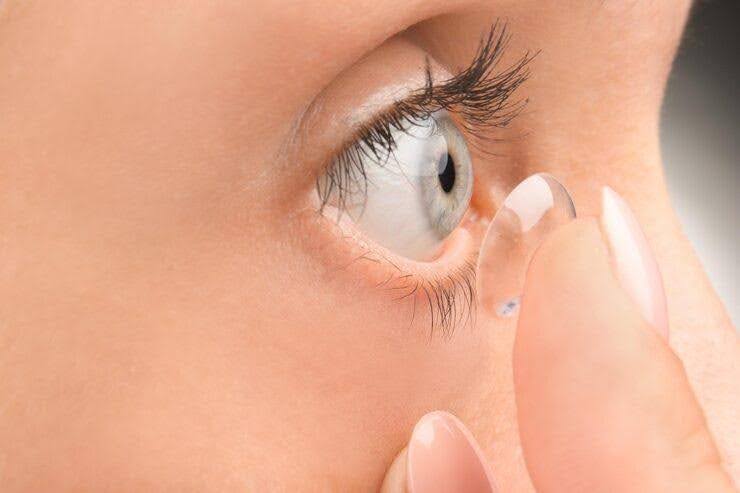
If your eyes feel itchy, produce stringy mucus, or become less tolerant of lenses, the issue may be more than dryness. GPC from contacts is an inflammatory reaction affecting the inner eyelid. It is often linked to contact lens wear when lenses, deposits, or repeated friction irritate tissue over time, leading to itchy eyes with contacts.
Many patients assume they have contact lens allergy symptoms or a solution issue. While overlap exists, mucous with contact lenses and irritation follow a pattern. Symptoms may improve after lens removal and return when wear resumes. An exam helps identify whether inflammation, lens compatibility or issues are the cause.
If your eyes feel itchy, produce stringy mucus, or become less tolerant of lenses, the issue may be more than dryness. GPC from contacts is an inflammatory reaction affecting the inner eyelid. It is often linked to contact lens wear when lenses, deposits, or repeated friction irritate tissue over time, leading to itchy eyes with contacts.
Many patients assume they have contact lens allergy symptoms or a solution issue. While overlap exists, mucous with contact lenses and irritation follow a pattern. Symptoms may improve after lens removal and return when wear resumes. An exam helps identify whether inflammation, lens compatibility or issues are the cause.
What GPC Really Means for Eyes
Giant papillary conjunctivitis is an inflammatory condition involving enlarged bumps, or papillae, on the underside of the upper eyelid. These tissue changes develop when the eyelid repeatedly reacts to contact lens wear, deposits, or long-term irritation. With every blink, friction increases between the lid and lens, worsening symptoms over time and making GPC from contacts more noticeable.
Patients often describe the problem in very specific ways. Lenses may become uncomfortable much sooner, move excessively, or seem coated with mucus during wear. Vision can fluctuate as deposits collect on the lens surface. Many individuals also experience itchy eyes with contacts that worsen throughout the day or soon after insertion, making lens wear increasingly difficult and frustrating.
Diagnosis includes examining the eyelids, reviewing lens wear habits, and carefully evaluating lens fit and material. A specialty contact lens exam Houston patients trust helps determine whether the issue is caused by inflammation, deposits, or mechanical irritation from the lens itself. The goal is to identify what is driving the condition so treatment addresses the root cause, improves comfort, and restores more stable contact lens wear instead of only reducing symptoms for a short time.
Signs It Is More Than Simple Dry Eye
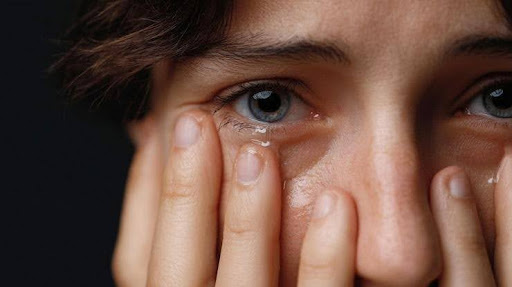
Dry eye may cause burning or irritation, but giant papillary conjunctivitis often causes stronger itching and mucous with contact lenses. If you notice stringy discharge, excessive lens movement, or irritation under the eyelid, the issue may go beyond simple dryness. Contact lens allergy symptoms can seem similar, but GPC usually follows a persistent pattern linked to lens wear and repeated friction.
Timing is another key clue. Symptoms often worsen the longer lenses are worn and improve after removal. Many patients also begin reducing wear time because discomfort increases during the day.
In these cases, a contact lens refit may be needed to reduce irritation caused by lens material, deposits, or fit-related friction, helping restore more comfortable and stable daily wear with clearer vision, better eyelid comfort, reduced mucus buildup, and healthier long-term lens tolerance for consistent use every single day.
Many patients try to manage contact lens allergy symptoms on their own by switching solutions, cleaning lenses more often, or simply wearing them less. While these steps may provide short-term relief, they usually do not resolve the underlying inflammation causing the discomfort. If the eyelid remains irritated, symptoms such as itching, mucus, and lens awareness often return quickly once normal wear resumes.
A proper evaluation helps determine whether treatment should include medication, a temporary break from lenses, improved replacement habits, or a full contact lens refit. Addressing both the inflammation and the lens-related factors is essential for restoring long-term comfort and stable wear. By identifying whether deposits, friction, material issues, or poor fit are contributing to GPC from contacts, the doctor can create a plan that improves comfort, reduces recurrence, and helps patients return to more reliable daily lens use with healthier eyelids, clearer vision, and better long-term tolerance over time.
When a Refit Becomes the Right Move
A contact lens refit becomes necessary when the current lens type continues triggering symptoms even after inflammation is treated. Some patients develop GPC from contacts because of deposit buildup on reusable lenses, while others experience problems related to lens material or edge design that causes repeated eyelid irritation and discomfort.
Your optometrist may recommend switching to daily disposable lenses, changing materials, or choosing a different lens design. In more complex cases, irregular wear patterns or sensitivity may require a specialty lens approach. The goal is to reduce friction, improve lens compatibility, and prevent recurring episodes of itchy eyes with contacts and inflammation. With the right fit and material, patients often regain comfortable wear time, clearer vision, and healthier eyelid tissue while lowering the chance of future flare-ups and improving long-term lens tolerance for safer daily use.
Why Self-Treatment Often Falls Short
Over-the-counter drops and additional cleaning may reduce symptoms temporarily, but they rarely resolve giant papillary conjunctivitis completely. The condition usually requires a clear diagnosis and targeted care from an eye specialist.
Treatment may involve stopping lens wear for a period, improving hygiene and replacement habits, or using prescription therapy to calm inflammation. The exact plan depends on the severity and cause of the condition.
Over-the-counter drops and additional cleaning may reduce symptoms temporarily, but they rarely resolve giant papillary conjunctivitis completely. The condition usually requires a clear diagnosis and targeted care from an eye specialist.
Treatment may involve stopping lens wear for a period, improving hygiene and replacement habits, or using prescription therapy to calm inflammation. The exact plan depends on the severity and cause of the condition.

In many cases, the lens itself must change. If irritation is driven by deposits or mechanical friction, continuing with the same lens system can prolong symptoms, delay recovery, and make comfortable wear difficult. A contact lens refit is often needed to restore stable comfort and prevent future flare-ups from GPC from contacts while improving lens tolerance, eyelid health, and long-term daily vision comfort overall consistently.
Understanding Long-Term Contact Lens Comfort
GPC can be frustrating, especially for patients who previously wore lenses comfortably for years. Symptoms often begin gradually, making them easy to mistake for dryness or contact lens allergy symptoms. However, when itching, mucus, and reduced wear time occur together, it usually points to a deeper issue related to lens interaction with the eyelid and inner tissue.
A comprehensive eye exam helps identify GPC from contacts early and prevents symptoms from worsening. Early diagnosis supports faster recovery and lowers the risk of long-term intolerance to contact lenses. It also ensures the correct combination of treatment, hygiene changes, and lens adjustments is applied based on the true cause.
Some patients recover fully with improved habits and short-term prescription treatment, while others benefit from a new lens system designed to reduce irritation and friction. In many cases, a contact lens refit provides better material compatibility and smoother edge design. The goal is not only to treat current symptoms but also to prevent future flare-ups with continued lens wear.
Long-term success depends on matching the right lens design with proper care and follow-up. When both inflammation and lens factors are addressed, patients can return to comfortable, reliable contact lens use without recurring symptoms. This approach improves confidence, protects eyelid health, supports clearer daily vision, and helps maintain stable comfort for work, driving, and everyday activities for many years ahead with fewer interruptions and better long-term tolerance. It also reduces the chance of chronic irritation, preserves lens tolerance, supports consistent wear time, and allows patients to enjoy dependable vision quality every single day ahead.
Questions to Ask at Your Visit
Ask whether your symptoms are caused by giant papillary conjunctivitis, dry eye, allergies, or a combination of these issues. Understanding the exact cause helps guide the right treatment approach and prevents unnecessary trial-and-error solutions that may only provide temporary relief.
It is also helpful to ask whether your current lens material, replacement schedule, or cleaning routine may be contributing to the irritation. Even small changes in lens care or wear habits can significantly improve comfort, reduce inflammation, and lower the chance of recurring symptoms over time.

Ask whether your symptoms are caused by giant papillary conjunctivitis, dry eye, allergies, or a combination of these issues. Understanding the exact cause helps guide the right treatment approach and prevents unnecessary trial-and-error solutions that may only provide temporary relief.
It is also helpful to ask whether your current lens material, replacement schedule, or cleaning routine may be contributing to the irritation. Even small changes in lens care or wear habits can significantly improve comfort, reduce inflammation, and lower the chance of recurring symptoms over time.
Finally, ask whether a contact lens refit is recommended and whether it will be temporary or part of a long-term lens plan. This helps you prepare for ongoing care, understand future follow-up needs, and avoid repeated flare-ups. Clear guidance from your optometrist can improve comfort, restore reliable wear time, and support healthier long-term contact lens use with fewer interruptions and better daily vision stability.
Your Next Steps Before Your Visit
Before your appointment, bring your current lenses, packaging, and solution products. Be ready to explain when symptoms started, how much mucous with contact lenses you notice, and whether discomfort improves when lenses are removed. This information helps connect symptoms directly to your lens routine, wear schedule, and care habits for a more accurate diagnosis.
If itchy eyes with contacts are affecting daily wear, Kleinwood Vision can perform a detailed evaluation to determine whether GPC from contacts, dryness, or lens fit issues are responsible. A proper diagnosis, supported by a comprehensive eye exam, makes it easier to choose the right treatment or contact lens refit. If symptoms continue, Contact us to schedule your visit and restore comfortable, reliable lens wear with clearer vision, healthier eyelids, reduced mucus buildup, and better long-term contact lens tolerance for everyday comfort and consistent use.
Contact Info
Hours of Operation
Mon - Fri | 9:00 AM - 5:00 PM
Sat - Sun | Closed
Holiday Hours: We are closed for the following holidays: New Years Day, Memorial Day, Independence Day, Labor Day, Thanksgiving Day, Christmas Day
The information provided on this website is for general informational purposes only and does not constitute professional medical advice, diagnosis, or treatment. Always seek the guidance of a licensed eye care professional or qualified health provider with any questions you may have regarding a medical condition or vision concern. Results from eye care services may vary by individual.
© 2026 Kleinwood Vision. All rights Reserved.