
Specialty Contacts
Hybrid Lenses for Post-Surgical Vision

FSDAVCFEBFEVSDDVFSD

FSDAVCFEBFEVSDDVFSD

FSDAVCFEBFEVSDDVFSD
Why Hybrids Help After Surgery
Laser procedures can leave corneas with irregular optics that soft lenses alone can’t fully correct. Hybrid lenses place a GP center over the post-surgical cornea for crisp focus, with a soft skirt for comfort and centration. Many patients find comfort-clarity hybrids ideal for screens, meetings, and errands, offering balance without the bulk of large vaulting lenses.
Success is individualized. Corneal mapping, tear quality, lid anatomy, and goals—like night driving, computer work, or glare reduction—guide lens selection. Compared with RK vision correction alternatives, hybrids often stabilize vision with less awareness than traditional GPs. Your clinician sets expectations at the first visit. For local expertise, contact Kleinwood Vision for Houston specialty fittings.
Laser procedures can leave corneas with irregular optics that soft lenses alone can’t fully correct. Hybrid lenses place a GP center over the post-surgical cornea for crisp focus, with a soft skirt for comfort and centration. Many patients find comfort-clarity hybrids ideal for screens, meetings, and errands, offering balance without the bulk of large vaulting lenses.
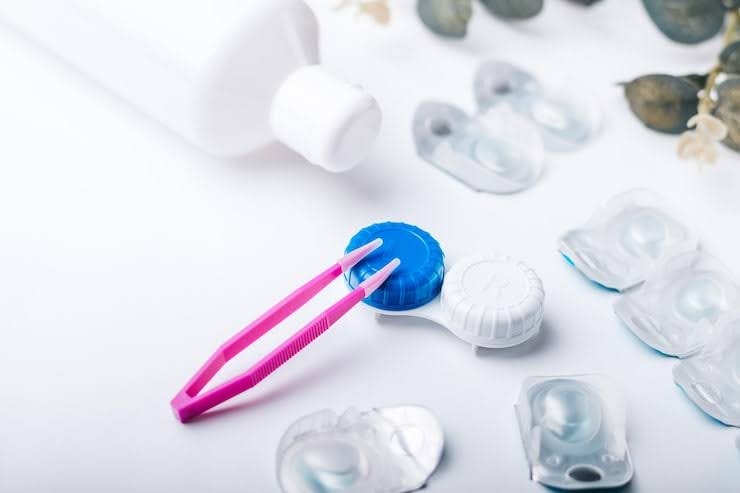
Success is individualized. Corneal mapping, tear quality, lid anatomy, and goals—like night driving, computer work, or glare reduction—guide lens selection. Compared with RK vision correction alternatives, hybrids often stabilize vision with less awareness than traditional GPs. Your clinician sets expectations at the first visit. For local expertise, contact Kleinwood Vision for Houston specialty fittings.
The Fitting Process and Fine-Tuning
We begin with corneal topography and a detailed refraction to establish the initial hybrid lens design. Trial hybrids are used to confirm centration, movement, and how the soft skirt interacts with the post-surgical cornea. During this process, we assess rotation marks, over-refraction, and comfort while you blink and change gaze to simulate daily tasks, ensuring the lens performs well in real-world conditions.
Lighting is a critical factor. We test for halos, glare, and contrast in bright rooms, retail spaces, and dusk-like conditions to evaluate how the optics behave beyond the clinical lane. If lens edges feel noticeable, we adjust skirt tension or diameter. When clarity fluctuates, power or axis compensation is refined to provide consistent vision throughout the day.
Further fine-tuning can include skirt curve changes, center thickness adjustments, or surface coatings to reduce dryness. Early follow-ups validate stability for full workdays and long-term comfort. This evidence-guided approach makes hybrid contacts after LASIK predictable, enhances visual performance, and supports safer, more reliable outcomes during Comprehensive Eye Exams. By combining precise assessment and iterative adjustments, we ensure both clarity and comfort for post-surgical vision needs.
Hybrids vs. Sclerals and GPs
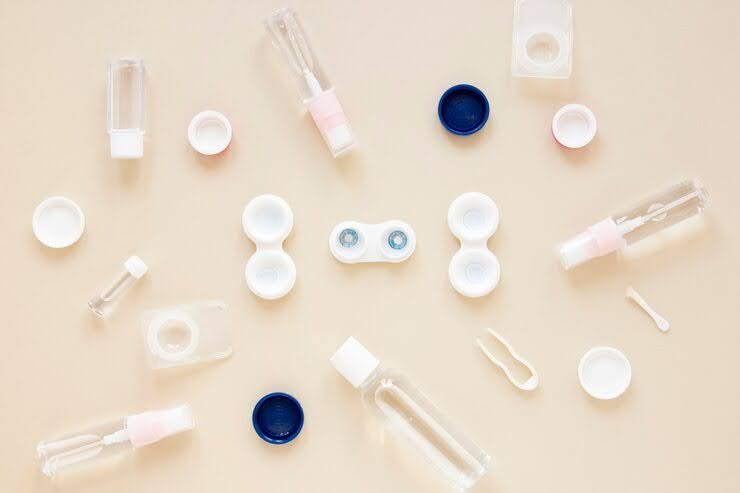
Scleral lenses vault the cornea with a fluid reservoir, providing excellent vision for significant irregularity or dryness. They require filling and involve larger handling steps, which can be challenging for some patients, though their stability and hydration benefits are unmatched. GP lenses offer outstanding optics with smaller diameters, but lid awareness and adaptation may be higher. Hybrids bridge the gap—combining the crisp clarity of a GP center with the comfort and centration of a soft lens, making them a balanced option for many patients.
Choosing the right lens depends on lifestyle, dexterity, and dryness profile. Side-by-side trials reveal which design delivers the most reliable day-to-day vision.
We discuss hybrid versus scleral lens tradeoffs, wearing schedules, and care routines to ensure expectations match results. As needs evolve, switching designs remains possible within Specialty Contacts care, supporting ongoing comfort and optimal visual performance.
Red flags such as persistent redness, shrinking wear time, or on-and-off clarity should trigger a same-week review. Bring your lenses, lens case, care products, and a short log noting lighting conditions and daily tasks. Many issues can be resolved with minor adjustments, such as tweaking the skirt or refining the lens surface—there’s often no need to start over. Early attention preserves comfort and ensures vision remains consistent.
If nighttime halos increase, we may adjust optics, modify centration, or trial an alternative material to improve visual quality. Consistent communication with your clinician keeps fittings efficient and avoids unnecessary frustration. After travel, illness, or changes in routine, it’s important to recheck comfort and vision to ensure the lens–surface relationship remains stable. When any doubt arises, contact us for quick troubleshooting. Prompt reviews and small corrections maintain long-term lens success and support a smooth, comfortable experience with your specialty contacts.
Maximizing Comfort, Care, and Lens Longevity
Use only clinic-approved cleaners and conditioners—never tap water—to protect lens materials and eye health. Replace storage cases regularly and follow the recommended review schedule to maintain performance and hygiene. If dryness continues, we can introduce approved lubricants, treat meibomian gland dysfunction, modify surface coatings, or explore an alternate lens design that maintains comfort without compromising clarity. Small adjustments often restore stability and extend wear time.
Lens lifespan varies depending on care habits, tear chemistry, and corneal stability. Schedule at least one annual reassessment to verify fit, surface integrity, and overall safety. These proactive check-ins, coordinated with Comprehensive Eye Exams, help sustain clarity, comfort, and long-term eye health. Consistent care, timely replacements, and professional monitoring ensure your specialty lenses deliver reliable vision and remain comfortable throughout their intended lifespan.
Building a Daily Routine That Works
Morning: Insert lenses in bright, even lighting and confirm comfort within the first few minutes. Note initial clarity and how quickly vision stabilizes. If lens awareness or irritation continues beyond early adaptation, message the clinic for guidance before resuming wear.
Daytime: Keep a small care kit handy—solution, case, mirror, and tissues—for quick resets if needed. Track total wear time and comfort levels, especially on longer days, to help guide future fine-tuning during your next visit.
Morning: Insert lenses in bright, even lighting and confirm comfort within the first few minutes. Note initial clarity and how quickly vision stabilizes. If lens awareness or irritation continues beyond early adaptation, message the clinic for guidance before resuming wear.
Daytime: Keep a small care kit handy—solution, case, mirror, and tissues—for quick resets if needed. Track total wear time and comfort levels, especially on longer days, to help guide future fine-tuning during your next visit.

Evening: Remove lenses carefully, clean thoroughly according to brand instructions, and let the case air-dry face-down. Jot down any changes in glare, dryness, or clarity in your log. Small daily notes provide valuable insight, helping your clinician refine fit and care for lasting comfort and clear, stable vision.
Your Roadmap to Real-World Success
Weeks 1–2: Adaptation and Comfort Coaching: The first two weeks focus on comfort, adaptation, and consistent handling. Verify how glare appears at dusk, inside stores, and under LED lighting. Practice steady insertion and removal each day, noting comfort at one hour and again at eight hours. Early communication is key—send the clinic a quick message if clarity, edge feel, or dryness seems off. Small feedback points help us fine-tune early and keep the process smooth.
Weeks 3–4: Refinement and Stability Checks: By weeks three and four, the goal shifts to refinement. If edge awareness or dryness lingers, we can adjust the skirt curve, diameter, or surface coating. Stability is assessed at workstations, on digital screens, and during driving. Compare hybrid performance with what you remember from GPs or sclerals so your choice remains confident and informed.
6–8-Week Checkpoint: After any design change, schedule a six-to-eight-week checkpoint to confirm day-long stability. Bring your wear-time logs, solution bottle photos, and snapshots of problem lighting conditions. These small details help us pinpoint refinements that improve clarity, comfort, and visual endurance.
Long-Term Success and Updates: As your needs evolve—new job lighting, increased night driving, or more sports activity—update goals during follow-ups. We can modify optics, change materials, or explore scleral or GP alternatives. Clear goals, steady reviews, and realistic timelines ensure dependable clarity and comfort. Through our Houston specialty contacts program, you gain lasting vision stability and confidence for every part of your day.
Essential Post-Surgery FAQs for Patients
Will hybrids fix night halos?Often, hybrids improve night halos by creating a smoother optical surface. Because every post-surgery cornea is unique, in-office testing confirms how much improvement you can expect under different lighting conditions.
Are they hard to insert?Most patients find hybrid lenses similar to soft lenses after a brief coaching session. Once the technique is learned, daily handling becomes routine. Can I wear them all day? Yes—most patients can wear them comfortably all day as prescribed, with proper cleaning and conditioning to maintain hydration and clarity.
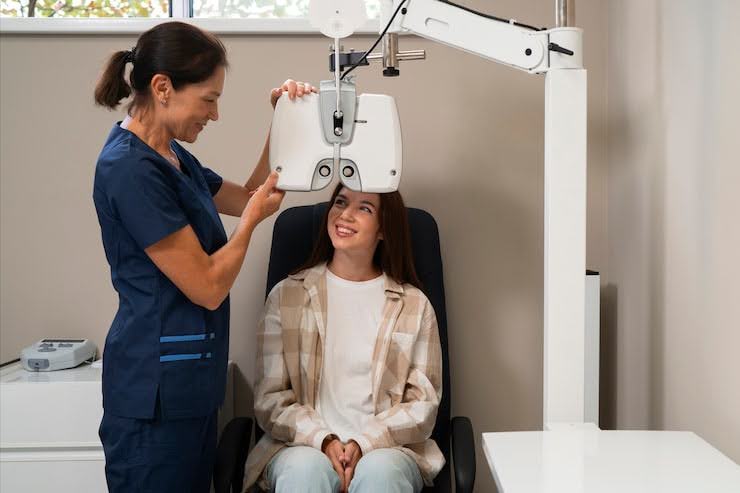
Will hybrids fix night halos?Often, hybrids improve night halos by creating a smoother optical surface. Because every post-surgery cornea is unique, in-office testing confirms how much improvement you can expect under different lighting conditions.
Are they hard to insert?Most patients find hybrid lenses similar to soft lenses after a brief coaching session. Once the technique is learned, daily handling becomes routine. Can I wear them all day? Yes—most patients can wear them comfortably all day as prescribed, with proper cleaning and conditioning to maintain hydration and clarity.
What if dryness persists?If dryness continues, we can add surface therapy, treat meibomian glands, or explore scleral alternatives. How often are checkups? Expect early visits during fitting, then follow-ups every 6–12 months, or sooner if comfort, clarity, or wear time changes. Regular reviews keep your hybrid lens success consistent and safe.
Creating Your Personalized Next-Step Plan
Bring your surgical records, current glasses, and a brief vision log to your visit. We’ll begin with trials and precise fine-tuning, assessing comfort and clarity through your real-life activities—driving, screen use, and evening lighting. Tracking how lenses perform in different environments helps us choose the design that best fits your daily routine and visual demands. Every adjustment is guided by your comfort, corneal stability, and long-term clarity goals.
With the right lens design and consistent care routine, many post-LASIK and RK patients experience clear, comfortable vision throughout the day without constant lens awareness. Our approach emphasizes stability, comfort, and confidence in every environment. For personalized guidance in Specialty Contacts or to schedule Comprehensive Eye Exams, please contact us at Kleinwood Vision—your partner in achieving dependable, post-surgical visual comfort and clarity.
Contact Info
Hours of Operation
Mon - Fri | 9:00 AM - 5:00 PM
Sat - Sun | Closed
Holiday Hours: We are closed for the following holidays: New Years Day, Memorial Day, Independence Day, Labor Day, Thanksgiving Day, Christmas Day
The information provided on this website is for general informational purposes only and does not constitute professional medical advice, diagnosis, or treatment. Always seek the guidance of a licensed eye care professional or qualified health provider with any questions you may have regarding a medical condition or vision concern. Results from eye care services may vary by individual.
© 2026 Kleinwood Vision. All rights Reserved.