
Myopia Management
Classroom Strategies That Support Effective Myopia Management

FSDAVCFEBFEVSDDVFSD
FSDAVCFEBFEVSDDVFSD

FSDAVCFEBFEVSDDVFSD
Why Teachers Play an Important Support Role
Teachers spend many hours observing how children read, write, use tablets, and respond to visual demands, making the classroom an important place to encourage healthy habits that may help reduce myopia progression. While teachers are not expected to diagnose vision problems, they can reinforce routines that support eye comfort and improve long-term eye care awareness.
For children participating in myopia management for kids, simple reminders about reading distance, visual breaks, proper lighting, outdoor activity, and balanced screen use can reinforce treatment goals. Helping teachers support myopia management through daily classroom routines promotes consistency without turning the classroom into a medical setting or drawing unnecessary attention to one child.
Teachers spend many hours observing how children read, write, use tablets, and respond to visual demands, making the classroom an important place to encourage healthy habits that may help reduce myopia progression. While teachers are not expected to diagnose vision problems, they can reinforce routines that support eye comfort and improve long-term eye care awareness.
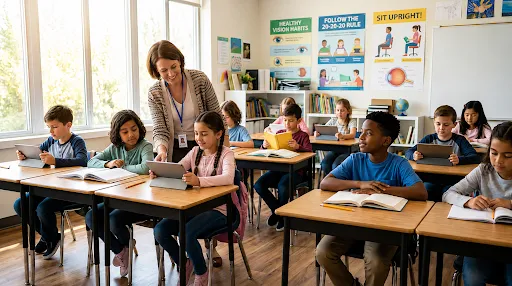
For children participating in myopia management for kids, simple reminders about reading distance, visual breaks, proper lighting, outdoor activity, and balanced screen use can reinforce treatment goals. Helping teachers support myopia management through daily classroom routines promotes consistency without turning the classroom into a medical setting or drawing unnecessary attention to one child.
Classroom Habits That Can Support Eye Health
One of the most effective classroom strategies for myopia is encouraging children not to hold books, worksheets, or tablets too close to their faces. Many students naturally move closer to their work when concentrating, feeling tired, or completing detailed tasks. Gentle reminders to sit upright, maintain a comfortable reading distance, and position learning materials correctly can reduce prolonged near-focus stress while promoting healthier visual habits throughout the school day.
Teachers can also build short visual breaks into reading, writing, or device-based activities. Encouraging students to briefly look across the room, focus on the board, or shift attention away from near work gives the visual system a chance to relax. These breaks fit easily into classroom transitions or instructional pauses without disrupting learning and help reinforce healthy routines.
Lighting and posture also play an important role in supporting kids eye health. Students should have sufficient lighting to work comfortably without leaning excessively toward their materials. A child who frequently squints, rubs the eyes, avoids board-related tasks, or consistently holds materials very close may benefit from a conversation with parents about scheduling a pediatric eye exam. Classroom observations can support early monitoring and encourage timely follow-up with an eye care professional.
Encourage Better Reading and Screen Distance

Healthy reading distance is one of the simplest child myopia classroom tips teachers can reinforce consistently. Students should avoid bringing books, worksheets, or tablets too close to their faces while completing everyday classroom tasks. When a child regularly works at a very close distance, it may be linked to habit, posture, visual preference, or a need for further evaluation. Gentle reminders to sit upright and maintain a comfortable working distance can encourage healthier visual habits.
For digital devices, teachers can guide students to keep tablets slightly farther away, maintain proper posture, and avoid leaning over screens for long periods.
Many children may not notice how closely they are working until an adult highlights it. These small adjustments, practiced throughout the school day, can support healthier viewing habits and strengthen broader myopia control school strategies while creating a more eye-friendly learning environment.
Teachers can make eye-health support feel natural by using classroom-wide reminders instead of focusing on individual students. For example, a teacher might say, “Everyone take a moment to sit back and give your eyes some space from your work,” rather than directing the instruction toward a single child. This approach keeps the message positive and prevents students from feeling singled out or embarrassed.
This strategy is particularly helpful for children already involved in myopia management for kids. Some students may wear glasses, use specialty lenses, or follow treatment plans at home. Classroom reminders should feel similar to other healthy habits such as good posture, hydration, or movement breaks. When everyone participates, the child receives support without feeling different from classmates. This inclusive approach helps healthy visual habits become part of normal classroom culture rather than something associated with a specific medical condition or treatment routine throughout the school year.
Make Outdoor Time Easier to Protect
Outdoor time remains one of the most important lifestyle factors associated with childhood visual development. While teachers cannot control a child’s complete daily routine, they can help preserve opportunities for outdoor recess, physical activity, and time away from constant near-focus tasks whenever schedules allow. Even shorter outdoor breaks may help balance the visual demands children experience during academic activities.
The goal is not to replace treatment with outdoor time. Instead, outdoor activity works best alongside regular monitoring, healthy visual habits, and appropriate eye care recommendations. Helping teachers support myopia management includes encouraging participation in recess, limiting unnecessary indoor screen exposure during breaks, and notifying parents when a child consistently avoids outdoor activities. These small actions can complement broader myopia control school strategies and support long-term visual wellness.
Watch for Signs a Child Is Struggling
Teachers are often among the first adults to notice changes in a child's visual behavior during school tasks. Students may begin squinting at the board, moving closer to worksheets, copying information slowly, experiencing headaches, or losing focus during reading and classroom activities.
These signs do not always mean that myopia is progressing, but they are important observations to share with parents. Classroom feedback can help families decide whether a pediatric eye exam is needed sooner rather than waiting for a scheduled visit.
Teachers are often among the first adults to notice changes in a child's visual behavior during school tasks. Students may begin squinting at the board, moving closer to worksheets, copying information slowly, experiencing headaches, or losing focus during reading and classroom activities.
These signs do not always mean that myopia is progressing, but they are important observations to share with parents. Classroom feedback can help families decide whether a pediatric eye exam is needed sooner rather than waiting for a scheduled visit.
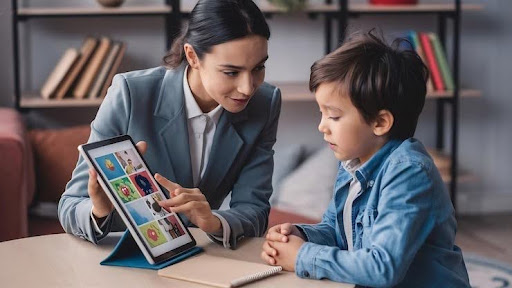
For children already participating in myopia management for kids, teacher observations can help eye doctors understand visual performance, comfort, and treatment consistency. Small details noticed in the classroom often provide valuable context for follow-up care and treatment planning discussions, supporting better outcomes for students.
Why Communication Between Teachers and Parents Matters
Communication between teachers and parents can make myopia management more effective by connecting what happens at home with what occurs throughout the school day. Parents may know if their child uses atropine drops, wears myopia-control eyewear, or follows treatment recommendations, but they may not see how the child responds to reading, classroom technology, and daily visual demands. Teachers provide valuable insights into these school-based experiences.
The most helpful communication is simple and observational rather than medical. Teachers do not need to diagnose problems or suggest treatments. Instead, they can share observations such as a child holding work very close, asking to sit nearer the board, rubbing their eyes often, or showing signs of visual fatigue. These details can help parents prepare important information for follow-up appointments.
Schools can also support families by including eye-health reminders in general wellness practices. Encouraging outdoor play, balanced screen use, healthy posture, and comfortable viewing distance benefits all students, not only those involved in myopia management for kids. These habits promote better kids eye health in school and create a learning environment where healthy visual behaviors are encouraged consistently.
When teachers apply these practices regularly, children are more likely to continue them during homework, recreational reading, and screen use outside school. This consistency helps make classroom strategies for myopia practical and sustainable. By working together, teachers, parents, and eye care professionals can create stronger support systems that encourage healthier visual habits and long-term eye care awareness among students.
What Teachers Should Avoid Doing
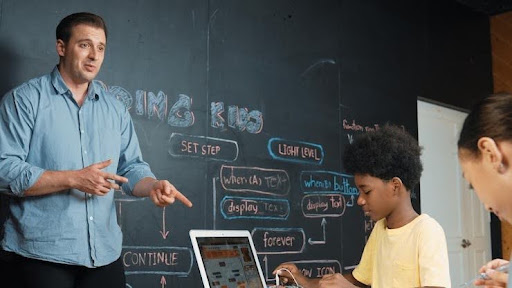
Teachers should avoid making a child feel singled out because of myopia, glasses, contact lenses, or treatment routines. The focus should remain on support and encouragement rather than drawing attention that may make a student feel different. Positive classroom habits work best when they are applied to all students equally.
Teachers should also avoid assuming that reading difficulties, poor focus, or slower board work are only behavioral concerns. Some students may be experiencing challenges
Teachers should avoid making a child feel singled out because of myopia, glasses, contact lenses, or treatment routines. The focus should remain on support and encouragement rather than drawing attention that may make a student feel different. Positive classroom habits work best when they are applied to all students equally.
Teachers should also avoid assuming that reading difficulties, poor focus, or slower board work are only behavioral concerns. Some students may be experiencing challenges
with visual comfort, distance clarity, or sustained near work. Observing patterns and communicating with parents can provide better insights than making assumptions about the cause.
Most importantly, teachers should not evaluate or adjust treatment plans. Questions about eye drops, glasses, specialty lenses, or progression concerns should be directed to parents and the child’s eye doctor. Clear boundaries help ensure children receive accurate care while benefiting from supportive classroom habits and appropriate educational accommodations when needed.
How Parents Can Involve the School
Parents can help by briefly informing teachers that their child is participating in myopia management and may benefit from healthy reading-distance reminders, visual breaks, outdoor activity, and seating that allows comfortable board viewing. The message does not need to be lengthy or highly technical. It simply helps teachers understand which healthy habits are already being encouraged at home and during eye care visits.
If your child’s vision is changing or classroom visual demands are becoming more challenging, Kleinwood Vision can help review the treatment plan and explain which classroom observations may provide useful information. Through a team approach involving parents, teachers, and eye care professionals, myopia management for kids can feel more consistent, supportive, and easier to maintain. Ready to learn more about protecting your child’s vision? Contact us to schedule a pediatric eye exam and discuss the next steps for long-term visual health.
Contact Info
Hours of Operation
Mon - Fri | 9:00 AM - 5:00 PM
Sat - Sun | Closed
Holiday Hours: We are closed for the following holidays: New Years Day, Memorial Day, Independence Day, Labor Day, Thanksgiving Day, Christmas Day
The information provided on this website is for general informational purposes only and does not constitute professional medical advice, diagnosis, or treatment. Always seek the guidance of a licensed eye care professional or qualified health provider with any questions you may have regarding a medical condition or vision concern. Results from eye care services may vary by individual.
© 2026 Kleinwood Vision. All rights Reserved.