
Myopia Care
Growth Spurts and Myopia Control

FSDAVCFEBFEVSDDVFSD

FSDAVCFEBFEVSDDVFSD

FSDAVCFEBFEVSDDVFSD
Why Growth Spurts Matter
During childhood and adolescence, rapid physical growth often coincides with faster eye growth. As height increases quickly, the eye can elongate at an accelerated rate, raising the risk of myopia progression even when treatment is already in place. This connection explains why some children experience noticeable prescription changes during short periods of rapid development.
Eye doctors anticipate variability during growth spurts and account for it in pediatric myopia monitoring plans. Understanding that growth spurts myopia changes are often biological—not behavioral—helps parents recognize that temporary increases do not always signal treatment failure, but rather the need for closer observation and thoughtful adjustment.
During childhood and adolescence, rapid physical growth often coincides with faster eye growth. As height increases quickly, the eye can elongate at an accelerated rate, raising the risk of myopia progression even when treatment is already in place. This connection explains why some children experience noticeable prescription changes during short periods of rapid development.
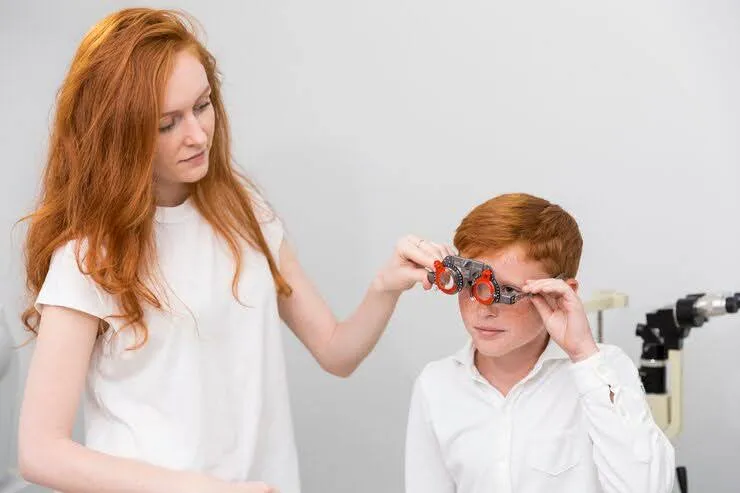
Eye doctors anticipate variability during growth spurts and account for it in pediatric myopia monitoring plans. Understanding that growth spurts myopia changes are often biological—not behavioral—helps parents recognize that temporary increases do not always signal treatment failure, but rather the need for closer observation and thoughtful adjustment.
How Growth Affects Eye Development
Growth spurts involve complex hormonal changes that influence bone, muscle, and connective tissues throughout the body. During these phases, the eye’s sclera can become more responsive to growth signals, leading to faster axial length growth. This biological sensitivity often explains why children experience noticeable myopia progression during puberty-related development. Recognizing this pattern is critical for parents and clinicians to maintain effective myopia management while avoiding unnecessary concern over temporary vision shifts.
This period often coincides with increased academic demands, longer screen time, and reduced outdoor activity. These lifestyle factors can compound biological risk, further contributing to myopia progression puberty patterns seen in school-aged children and teens. Reduced exposure to natural light and sustained near work during growth spurts may accelerate changes in vision. Families who monitor habits, encourage regular distance breaks, and maximize outdoor activity can help offset seasonal and developmental pressures, supporting healthier eye growth.
Clinicians interpret axial length and prescription changes in the context of height increases and pubertal milestones. By reviewing growth data alongside myopia trends, doctors can distinguish expected growth-related shifts from concerning acceleration. This approach ensures myopia management adjustments are proportional, evidence-based, and tailored to each child’s developmental stage, supporting long-term vision health and stability.
Signs a Growth Spurt Is Impacting Vision

Parents may notice rapid changes in glasses prescriptions, increased squinting during sports, or complaints of distance blur in the classroom. Children may also move closer to screens, books, or whiteboards as vision fluctuates during growth phases. These shifts are often linked to growth spurts myopia and reflect normal developmental changes rather than treatment failure. Observing these signs carefully helps families stay informed and take proactive steps to support their child’s vision health during critical growth periods.
Tracking height changes alongside vision updates helps clinicians identify patterns related to growth spurts myopia rather than isolated spikes.
By considering both physical and ocular development, doctors can interpret axial length and prescription changes more accurately. This approach allows for appropriate adjustments in management plans while preventing unnecessary concern. Combined monitoring during routine pediatric eye exams ensures children receive consistent, evidence-based care that supports long-term visual health.
Short-term increases in progression are not uncommon during growth spurts. During these periods, the eye’s sclera is more responsive to growth signals, which can lead to faster axial length changes and noticeable myopia progression. Eye doctors focus on whether eye growth slows again once physical development stabilizes, rather than reacting to temporary fluctuations. This approach prevents overreacting to short-term changes while ensuring genuine risks receive timely attention, supporting effective and balanced myopia management throughout growth phases.
Parents are reassured when decisions are based on trends rather than single measurements. By monitoring axial length, prescription updates, and overall growth patterns over time, clinicians can make data-driven care decisions that are proportional and evidence-based. This consistent, measured approach maintains confidence and continuity during transitional years, helping families understand that temporary spikes are often normal. Trend-focused monitoring ensures long-term myopia control remains effective while reducing unnecessary concern about seasonal or growth-related shifts.
How to Adjust Myopia Control Targets
During periods of rapid growth, clinicians may shorten follow-up intervals or refine Ortho-K, MiSight®, or atropine plans. These myopia management adjustments are guided by consistent patterns over time rather than isolated data points. By monitoring axial length and prescription trends alongside developmental changes, doctors can ensure interventions remain proportional and appropriate for each child’s needs. This careful approach helps maintain stability while responding to seasonal or growth-related shifts in vision.
The goal is to slow progression relative to growth expectations, not to eliminate all change entirely. Setting realistic targets helps families understand that controlled progression during growth spurts still represents successful myopia management. By combining professional monitoring with informed home routines, parents can support consistent treatment adherence and long-term visual health, ensuring children achieve optimal outcomes without unnecessary concern over temporary increases in myopia.
Tips for Supporting Healthy Eye Habits
Healthy routines become especially important during growth spurts. Regular outdoor exposure supports eye health by counteracting biological growth signals that drive elongation. Time spent in bright natural light helps slow axial length growth, complementing clinical myopia management strategies.
Structured screen breaks reduce sustained near focus, giving eyes a chance to relax, while consistent sleep supports overall development. These habits work alongside treatment plans, such as Ortho-K, MiSight®, or atropine, to improve effectiveness and help maintain stability during rapid growth phases.
Healthy routines become especially important during growth spurts. Regular outdoor exposure supports eye health by counteracting biological growth signals that drive elongation. Time spent in bright natural light helps slow axial length growth, complementing clinical myopia management strategies.
Structured screen breaks reduce sustained near focus, giving eyes a chance to relax, while consistent sleep supports overall development. These habits work alongside treatment plans, such as Ortho-K, MiSight®, or atropine, to improve effectiveness and help maintain stability during rapid growth phases.

Reinforcing routines during busy growth phases helps offset increased risk and supports stable vision outcomes. By combining outdoor activity, regular breaks, and healthy sleep patterns, families can enhance the benefits of professional myopia management and maintain long-term visual health throughout periods of accelerated growth.
Monitoring Beyond the Growth Phase
Once physical growth stabilizes, eye progression often slows as well. During growth spurts, children may experience temporary acceleration in myopia due to the eye’s increased responsiveness to biological growth signals. However, as height and overall development level off, axial length growth and prescription changes typically decelerate. Clinicians compare post-spurt data with pre-spurt baselines to reassess treatment targets and long-term trends. This evaluation allows doctors to determine whether previous adjustments were effective and whether ongoing interventions should continue at the same intensity or be modified.
By reviewing these trends, eye doctors can decide whether treatment intensity should remain stable or be adjusted downward. Using objective measurements such as axial length, refraction, and growth data ensures decisions are evidence-based rather than reactionary. This careful, data-driven approach prevents unnecessary overcorrection while maintaining effective myopia control. Regular pediatric myopia monitoring during and after growth phases provides the clarity needed to make proportional adjustments, keeping long-term management aligned with each child’s developmental trajectory.
Families who remain consistent through growth phases often see strong long-term results. Staying engaged—tracking visual habits, attending scheduled pediatric eye exams, and following treatment plans—helps ensure that stability is maintained once growth slows. These habits reinforce professional care and support positive outcomes over time.
Patience and data-driven decisions protect vision during transitional years and support lasting success in Houston myopia management programs. By combining professional monitoring, informed home routines, and seasonal awareness, families can confidently navigate growth-related changes while achieving effective, long-term myopia control and healthy vision development.
Parent Questions During Growth Spurts
Parents frequently ask whether rapid changes mean their child will develop lifelong high myopia. In most cases, early control during growth spurts limits long-term risk and reduces the chance of severe progression. Temporary increases in myopia are often normal, reflecting the eye’s responsiveness to growth signals rather than permanent deterioration. Understanding this helps families see that short-term changes do not necessarily indicate future vision problems.
Another common question is whether treatment plans will keep changing. Adjustments are usually temporary and designed to respond to biological phases, not permanent escalation.

Parents frequently ask whether rapid changes mean their child will develop lifelong high myopia. In most cases, early control during growth spurts limits long-term risk and reduces the chance of severe progression. Temporary increases in myopia are often normal, reflecting the eye’s responsiveness to growth signals rather than permanent deterioration. Understanding this helps families see that short-term changes do not necessarily indicate future vision problems.
Another common question is whether treatment plans will keep changing. Adjustments are usually temporary and designed to respond to biological phases, not permanent escalation.
Clinicians use axial length and prescription trends to guide proportional modifications, ensuring interventions remain effective without overreacting to short-term fluctuations.
Understanding expected patterns helps families stay calm, consistent, and committed to care plans during periods of visible change. Following professional guidance and maintaining healthy habits supports stable myopia management and protects long-term vision outcomes throughout growth phases.
Staying Ahead of Rapid Changes
Tracking height, vision changes, and daily habits together provides valuable insight into a child’s eye health. Observing patterns in axial length, prescription updates, and lifestyle factors allows clinicians to distinguish temporary growth-related shifts from true myopia acceleration. Attending recommended follow-ups and completing each comprehensive eye exam ensures doctors have the data needed to make informed, evidence-based decisions for ongoing care.
Growth spurts are temporary, but proactive myopia management delivers lasting protection. By combining professional monitoring with healthy routines at home, families can support stable vision outcomes throughout periods of rapid development. For personalized guidance through growth-related changes, contact us at Kleinwood Vision to support your child’s long-term visual health. Staying engaged with care plans during each stage ensures effective myopia control and reinforces habits that promote healthy vision well into the future.
Contact Info
Hours of Operation
Mon - Fri | 9:00 AM - 5:00 PM
Sat - Sun | Closed
Holiday Hours: We are closed for the following holidays: New Years Day, Memorial Day, Independence Day, Labor Day, Thanksgiving Day, Christmas Day
The information provided on this website is for general informational purposes only and does not constitute professional medical advice, diagnosis, or treatment. Always seek the guidance of a licensed eye care professional or qualified health provider with any questions you may have regarding a medical condition or vision concern. Results from eye care services may vary by individual.
© 2026 Kleinwood Vision. All rights Reserved.