
Eye Strain
Fluorescent-Light Eye Strain Fixes That Work

FSDAVCFEBFEVSDDVFSD
FSDAVCFEBFEVSDDVFSD

FSDAVCFEBFEVSDDVFSD
Why Flicker Triggers Eye Strain
Fluorescent and some LED fixtures produce rapid light modulation, often called flicker, that your brain must constantly process. Even when flicker is not consciously visible, the visual system works harder to stabilize images. Focusing on small text, switching between screens, or concentrating for long periods adds extra demand, contributing to fluorescent light eye strain and gradual fatigue.
People with flicker-sensitive eyes may notice symptoms sooner, especially if prone to migraine light sensitivity or binocular stress. Headaches, eye ache, or a “buzzing” pressure can build during the day. The goal is not to fear office lighting but to reduce flicker as a strain multiplier.
Fluorescent and some LED fixtures produce rapid light modulation, often called flicker, that your brain must constantly process. Even when flicker is not consciously visible, the visual system works harder to stabilize images. Focusing on small text, switching between screens, or concentrating for long periods adds extra demand, contributing to fluorescent light eye strain and gradual fatigue.

People with flicker-sensitive eyes may notice symptoms sooner, especially if prone to migraine light sensitivity or binocular stress. Headaches, eye ache, or a “buzzing” pressure can build during the day. The goal is not to fear office lighting but to reduce flicker as a strain multiplier.
Symptoms and Who Is Most Sensitive
Flicker-related strain often appears as burning, watering, blurred focus, or a pressure-style office lighting headache that worsens by late afternoon. Some people describe dizziness, nausea, or feeling “off” in large retail stores or under bright ceiling panels. You may squint more, struggle to keep text steady, or need breaks sooner than coworkers. If symptoms improve quickly outdoors or near natural light, lighting conditions are worth evaluating.
Those most sensitive include people with a migraine history, concussion recovery, dry eye, or binocular vision dysfunction. Uncorrected astigmatism or an outdated prescription can amplify LED flicker eye fatigue because the eyes strain to sharpen unstable images. Children with heavy screen assignments may fatigue faster under harsh classroom lighting. Contact lens wearers can also notice symptoms earlier since dryness increases glare and reduces visual stability.
Flicker sensitivity eyes are not a dangerous allergy, and it does not mean you must avoid work or school. It is a sign that your visual system is compensating harder than necessary. With practical changes and an eye exam to rule out underlying issues, most patients experience meaningful relief and better daily focus.
Simple Fixes at Work and Home
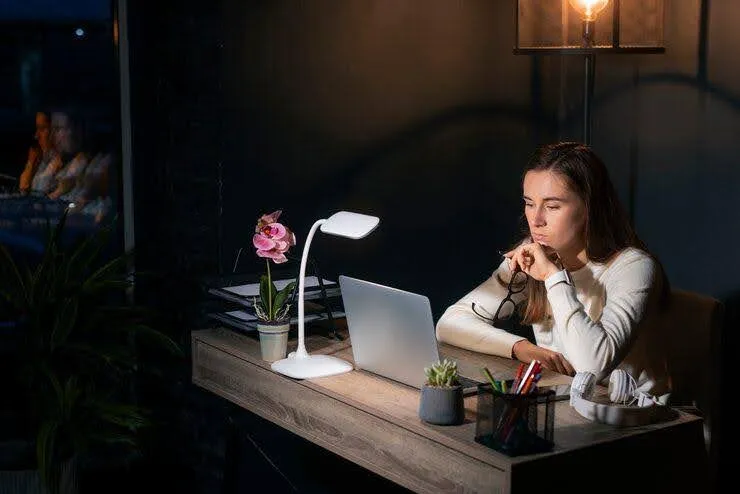
Start with quick environmental adjustments to reduce LED flicker eye fatigue. Position yourself so overhead fixtures are not directly in your line of sight, and add a desk lamp for softer task lighting. Match screen brightness to the room, enlarge text, and enable warmer color settings after midday. Increase monitor refresh rates when possible and disable aggressive auto-brightness that may create subtle pulsing. Testing different work zones can also help, as some areas have better diffusion or newer drivers.
At home, choose lamps with steady drivers and avoid exposed bulbs that intensify glare. Use matte screen filters if reflections are a problem, and
practice slow blink breaks during close work to stabilize the tear film. These practical steps may not eliminate every symptom, but they often reduce LED flicker eye fatigue enough to make the day manageable while you continue addressing root causes.
If your workplace allows, ask facilities whether fixtures use high-frequency ballasts or low-flicker LED drivers. Adding diffusers, switching one problematic fixture, or using indirect lighting can significantly reduce fluorescent light eye strain. Reposition your monitor to limit reflections from ceiling panels and choose a matte desktop surface to cut glare throughout the day. Lens coatings that reduce reflections may also help, depending on your prescription and screen demands, especially if you spend long hours on digital tasks under bright office lighting conditions.
Track when symptoms peak and note what lighting you were under, then bring those details to your eye exam Houston visit. Recording lights in slow-motion video can reveal obvious flicker patterns that are otherwise invisible. This information helps separate flicker sensitivity eyes from dry eye, focusing fatigue, or outdated correction. A targeted plan often combines lighting adjustments, updated lenses, and tear support to reduce discomfort, improve clarity, and create a more sustainable visual environment at work and home.
Reducing Exposure Without Changing Lights
When you cannot modify overhead lighting, focus on visual stability. Ensure your glasses or contacts are current, because even minor blur increases strain under flicker. Increase font size, use high-contrast themes, and maintain consistent reading distance to avoid constant refocusing throughout the day. Contact lens wearers should prioritize hydration and consider alternating with glasses on long screen days to reduce glare-related fatigue and dryness that can intensify discomfort in bright environments.
Discuss lens options with your optometrist, such as anti-reflective coatings or mild task-specific tints when appropriate. Sit with lights behind you if possible, avoid looking directly at bright panels, and follow ergonomic basics to support posture and viewing angles. Pair these steps with scheduled micro-breaks to reduce stacked stressors that make office lighting headache symptoms feel overwhelming, helping you stay more comfortable and productive despite challenging lighting conditions.
When Flicker Signals Something Else
If symptoms are severe, one-sided, or paired with new floaters, flashes, double vision, or sudden vision loss, lighting is unlikely to be the main issue. These signs require prompt evaluation to protect eye health, as sudden or worsening changes may indicate serious conditions needing immediate attention.
Frequent migraine light sensitivity with vertigo or nausea may reflect neurologic triggers or concussion history rather than simple light intolerance. Mention rapid onset or escalating pain during your exam so your provider can assess underlying causes and guide proper care. Recognizing these patterns ensures timely diagnosis and treatment.
If symptoms are severe, one-sided, or paired with new floaters, flashes, double vision, or sudden vision loss, lighting is unlikely to be the main issue. These signs require prompt evaluation to protect eye health, as sudden or worsening changes may indicate serious conditions needing immediate attention.
Frequent migraine light sensitivity with vertigo or nausea may reflect neurologic triggers or concussion history rather than simple light intolerance. Mention rapid onset or escalating pain during your exam so your provider can assess underlying causes and guide proper care. Recognizing these patterns ensures timely diagnosis and treatment.

Persistent redness, gritty sensation, or fluctuating clarity may indicate dry eye disease rather than flicker alone. Addressing tear film stability with targeted Dry Eye Treatment often reduces glare and improves comfort in any lighting environment.
Clinically Helpful Tests and Next Steps
A comprehensive eye exam is often the most effective starting point because many drivers of flicker discomfort are optical. Your doctor will evaluate visual acuity, refraction, and binocular coordination, especially if you report dizziness or unstable text. Identifying outdated prescriptions or subtle astigmatism can significantly reduce fluorescent light eye strain. Sleep patterns, caffeine intake, and migraine history may also be discussed, since these influence how the nervous system processes light. Understanding these factors early allows your eye care provider to tailor interventions that improve visual comfort throughout the day.
Dry eye screening is equally important. Tear breakup time, lid health, and meibomian gland function can explain why lighting feels harsher late in the day. Contact lens fit and material may also be reviewed to determine whether dryness is amplifying glare. Improving tear quality through structured dry eye treatment, warm compresses, or appropriate drops often stabilizes vision and reduces LED flicker eye fatigue, enhancing overall visual endurance and comfort in any environment.
If headaches or reading endurance issues persist, accommodative and binocular function may be tested. In some cases, small prism adjustments, task-specific glasses, or vision therapy reduce the workload that makes flicker intolerable. Selective light-filtering lenses may also be discussed when clinically appropriate, helping to manage sensitivity to certain wavelengths without compromising overall clarity.
Sharing your daily environment—including screen hours, fixture types, and symptom timing—helps create a realistic plan. At Kleinwood Vision, the focus is on practical solutions you can implement immediately, along with clear follow-up goals. Combining optical, ocular surface, and environmental strategies ensures that flicker discomfort is addressed comprehensively, improving both comfort and visual performance.
Questions to Ask Your Eye Doctor
Bring a short symptom log and discuss whether your prescription or astigmatism contributes to strain. Confirm if computer-specific glasses or updated coatings could reduce glare and stabilize focus under fluorescent lights. These adjustments often improve visual comfort and reduce eye fatigue during prolonged screen use.
Ask about tear film health: “Do I show signs of dryness, and what routine best supports comfort?” If you wear contacts, request guidance on fit, material, and safe drop use. Understanding how Dry Eye Treatment fits into your plan can reduce irritation, improve tear stability, and lessen glare, helping your eyes feel more comfortable throughout the day.

Bring a short symptom log and discuss whether your prescription or astigmatism contributes to strain. Confirm if computer-specific glasses or updated coatings could reduce glare and stabilize focus under fluorescent lights. These adjustments often improve visual comfort and reduce eye fatigue during prolonged screen use.
Ask about tear film health: “Do I show signs of dryness, and what routine best supports comfort?” If you wear contacts, request guidance on fit, material, and safe drop use. Understanding how Dry Eye Treatment fits into your plan can reduce irritation, improve tear stability, and lessen glare, helping your eyes feel more comfortable throughout the day.
Finally, request a practical lighting strategy and follow-up timeline. Clear steps—such as fewer headaches, better reading endurance, or reduced flicker discomfort—help you measure improvement and know when to Contact us if symptoms continue, ensuring your visual health is managed effectively.
Quick Flicker Relief Action Plan
Start today by matching screen brightness to the room, enlarging text, and positioning yourself so ceiling lights are not directly above your monitor. Add a desk lamp for softer task lighting and take 20-second distance breaks every 20 minutes to reset focus and blinking. Track when symptoms spike and note the lighting conditions present. These simple adjustments help reduce strain and make screen work more comfortable.
Within two weeks, update outdated prescriptions, treat dryness consistently, and test one lighting adjustment at a time. If headaches, dizziness, or blurred vision persist, schedule an eye exam for eye strain Houston patients trust at Kleinwood Vision. Early evaluation prevents ongoing discomfort and helps restore comfortable, productive vision. Monitoring changes and implementing small, targeted strategies ensures long-term relief and supports eye health in daily tasks.
Contact Info
Hours of Operation
Mon - Fri | 9:00 AM - 5:00 PM
Sat - Sun | Closed
Holiday Hours: We are closed for the following holidays: New Years Day, Memorial Day, Independence Day, Labor Day, Thanksgiving Day, Christmas Day
The information provided on this website is for general informational purposes only and does not constitute professional medical advice, diagnosis, or treatment. Always seek the guidance of a licensed eye care professional or qualified health provider with any questions you may have regarding a medical condition or vision concern. Results from eye care services may vary by individual.
© 2026 Kleinwood Vision. All rights Reserved.