
Contact Safety
Eye Makeup and Contacts: Hygiene That Works

FSDAVCFEBFEVSDDVFSD

FSDAVCFEBFEVSDDVFSD

FSDAVCFEBFEVSDDVFSD
Why Makeup Triggers Contact Irritation
Eye makeup and contact lenses can be tricky because tiny particles, oils, and fibers transfer onto the lens surface. When residue disrupts the tear film, lenses may feel dry, vision can fluctuate, and burning or watering may occur. Powder fallout, mascara flakes, and smudged liner can reach the lid margin, clogging oil glands that help prevent tears from evaporating too quickly.
Contacts act like small collectors for debris during the day. Even when makeup looks flawless, microscopic buildup can accumulate during long wear or screen-heavy days. Most contact lens irritation from makeup is preventable with consistent hygiene, smart product choices, and routines that protect tear stability and lens clarity.
Eye makeup and contact lenses can be tricky because tiny particles, oils, and fibers transfer onto the lens surface. When residue disrupts the tear film, lenses may feel dry, vision can fluctuate, and burning or watering may occur. Powder fallout, mascara flakes, and smudged liner can reach the lid margin, clogging oil glands that help prevent tears from evaporating too quickly.
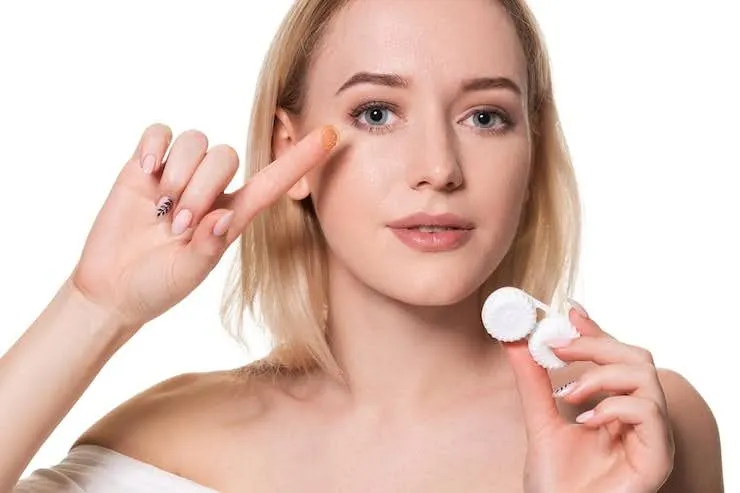
Contacts act like small collectors for debris during the day. Even when makeup looks flawless, microscopic buildup can accumulate during long wear or screen-heavy days. Most contact lens irritation from makeup is preventable with consistent hygiene, smart product choices, and routines that protect tear stability and lens clarity.
The Safe Order: Lenses First, Makeup Second
The safest routine for makeup hygiene contact lens wearers is simple: insert lenses first, apply makeup second. Always wash and dry hands thoroughly before handling lenses, confirm they feel comfortable, and check that vision is clear before starting makeup. At night, reverse the order—remove lenses first, then remove makeup. This prevents remover oils, mascara debris, or liner particles from coating the lens surface.
Use steady lighting and a mirror to avoid repeated lash contact. Apply products slightly outside the waterline to reduce gland blockage. Heavy tightlining or thick liner increases dry eye risk by interfering with oil flow along the lid margin. If you want safe eyeliner for contacts, choose smooth, non-flaking pencils and avoid glitter or loose pigment that can shed into the eye.
Focus on two priorities: reduce fallout and limit oil transfer. Tap excess powder from brushes and apply mascara in thin layers. If burning starts immediately, remove the lens, rinse it with fresh solution—or discard if it’s a daily disposable—and switch to glasses. Early action prevents minor irritation from escalating into a larger dry eye flare.
Product Choices That Reduce Problems
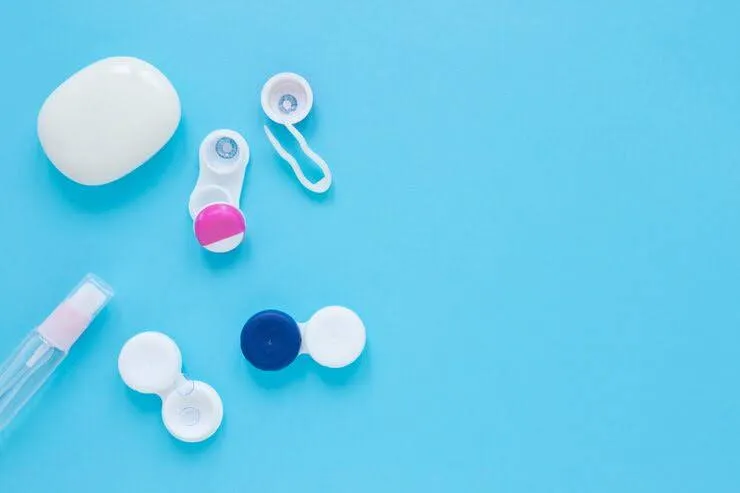
Choose ophthalmologist-tested, fragrance-free products whenever possible. Fragrances and certain preservatives can irritate sensitive eyes, especially when lenses are worn daily. Tubing mascaras often flake less than fiber-heavy formulas, and sharpened pencils reduce crumbly residue. Avoid glitter and loose powders for everyday wear, and use caution with waterproof products that require stronger removers. Selecting gentler formulas minimizes debris on lenses, protects tear stability, and helps maintain comfort throughout the day.
Replace mascara every 2–3 months and liquid liners every 3 months. Never share eye makeup. Old products can harbor bacteria,
increasing infection risk for contact lens wearers.If dryness occurs frequently, simplify your routine and avoid lining directly on the waterline. Fewer particles and ophthalmologist-tested formulas protect both lenses and eyelids, supporting healthier lids, reducing irritation, and promoting clear, comfortable vision during daily wear and extended screen time.
Clean tools are just as important as the makeup itself. Wash brushes weekly, wipe lash curlers, and avoid damp storage that encourages bacterial growth. Keep remover bottles clean and never let droppers touch skin. Small hygiene habits dramatically reduce contamination risk and help protect your eyes from irritation or infection while wearing contact lenses. Maintaining clean tools ensures that makeup particles, oils, and bacteria do not transfer onto the lenses or lid margin, preserving tear stability and comfort throughout the day.
If you notice end-of-day blur, your lenses may be coated with makeup residue. Daily disposable lenses often reduce buildup because you start fresh each morning. For reusable lenses, confirm your cleaning solution is appropriate and whether a rub-and-rinse step is required. Updating your cleaning system, combined with proper hygiene, can significantly reduce contact lens irritation from makeup, allowing you to maintain your beauty routine while keeping lenses clear, eyes comfortable, and vision sharp.
Removal Steps That Protect Lids
Remove contacts before removing makeup. Use a gentle, oil-free remover and press—don’t scrub—along the lash line. Hold a cotton pad against closed lids for 10–15 seconds to dissolve mascara before wiping downward. Rubbing aggressively can inflame the lid margin and worsen dryness, potentially affecting tear stability and comfort. These simple techniques protect your eyes while effectively removing makeup without transferring debris onto lenses or irritating the cornea.
After removal, rinse thoroughly and dry the lids completely. If recommended, apply a gentle eyelid cleanser or hypochlorous spray to maintain gland health. Add preservative-free tears if your eyes feel gritty, and wear glasses for the rest of the evening rather than extending lens wear. Following these dry eye makeup tips helps reduce long-term irritation, protect tear stability, and maintain comfortable, clear vision while keeping your contact lenses safe for future wear.
Signs You Should Stop Wearing Contacts
Stop wearing lenses immediately if you develop increasing redness, pain, discharge, or light sensitivity. These symptoms may signal infection or corneal irritation that requires prompt evaluation. Early attention helps protect your vision and prevent complications.
Blur that does not clear with blinking, a persistent “sand in the eye” feeling, or sharp pain with blinking are additional warning signs. Do not attempt to mask symptoms with redness-relief drops. Remove lenses and contact your provider for guidance to ensure safe care.
Stop wearing lenses immediately if you develop increasing redness, pain, discharge, or light sensitivity. These symptoms may signal infection or corneal irritation that requires prompt evaluation. Early attention helps protect your vision and prevent complications.
Blur that does not clear with blinking, a persistent “sand in the eye” feeling, or sharp pain with blinking are additional warning signs. Do not attempt to mask symptoms with redness-relief drops. Remove lenses and contact your provider for guidance to ensure safe care.
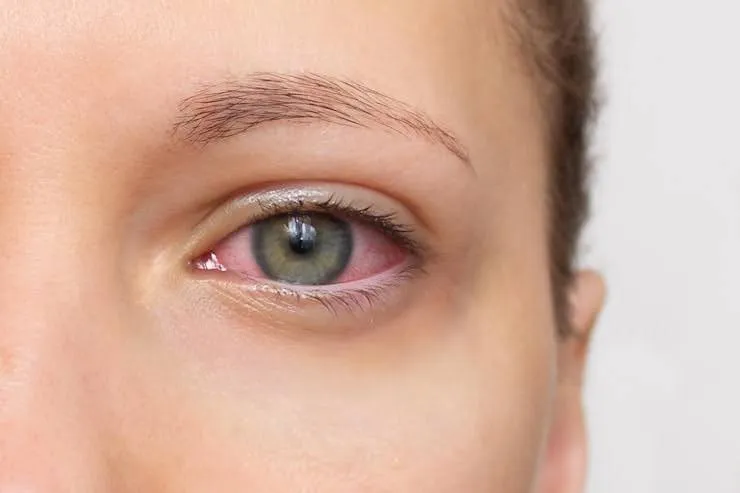
Recurring styes, swollen lids, or crusting may indicate makeup buildup or gland blockage. A professional eye exam can determine whether you need lid treatment, lens adjustments, or a temporary break from certain products. Prompt care supports healthy lids, reduces irritation, and keeps contact lens wear safe and comfortable.
Dry Eye Prevention for Makeup Wearers
Dryness often worsens when makeup adds oils and particles that destabilize tears. To maintain comfort, blink fully during screen use, use contact-safe lubricating drops, and monitor wear time. If discomfort begins mid-afternoon, switching to glasses early may prevent flare-ups. Hydration and consistent sleep also improve tear quality, supporting long-term comfort and healthy vision. Simple lifestyle habits, like staying hydrated and taking screen breaks, enhance tear stability and reduce the risk of dryness during lens wear.
Supporting lid health is equally important. Apply warm compresses several times a week and follow gentle lid hygiene routines. Avoid lining directly over gland openings and ensure removers do not linger along the lash margin. Mention lash serums or cosmetic treatments during your eye exam, as certain ingredients can affect tear stability. Proper lid care reduces irritation, promotes healthy glands, and helps maintain a consistent tear film for clear, comfortable vision.
Lens type also affects comfort. Daily disposables may reduce residue buildup for frequent makeup users, while reusable lenses require compatible cleaning solutions and diligent case hygiene. If dryness or irritation persists, your optometrist may recommend targeted dry eye treatment to stabilize the tear film and enhance comfort during wear.
On heavy screen or long-wear days, simplify your makeup routine. A lighter application reduces fallout and makes removal gentler on the lids. Healthy lids, stable tears, and thoughtful lens and makeup choices make contact lens wear predictable and comfortable, even with regular cosmetic use. Consistent hygiene and attention to lens type protect your eyes and vision long-term.
Questions to Ask at Your Contact Exam
Ask, “Do you see dryness or lid inflammation that makeup could worsen?” and request a simple routine that fits your lifestyle. Confirm whether your lens type is ideal or if daily disposables would reduce buildup. A contact lens exam Houston patients schedule regularly can identify small issues before they become persistent problems, supporting tear stability and comfort.
Ask which rewetting drops are safest and how often to use them. Confirm your solution choice and whether a rub-and-rinse method is required.

Ask, “Do you see dryness or lid inflammation that makeup could worsen?” and request a simple routine that fits your lifestyle. Confirm whether your lens type is ideal or if daily disposables would reduce buildup. A contact lens exam Houston patients schedule regularly can identify small issues before they become persistent problems, supporting tear stability and comfort.
Ask which rewetting drops are safest and how often to use them. Confirm your solution choice and whether a rub-and-rinse method is required.
If blur develops late in the day, ask whether lens coating, tear instability, or prescription changes may be involved. Clear guidance helps keep lenses comfortable and vision sharp.
Clarify red flags: “When should I stop wearing contacts and call?” Knowing when to contact us builds confidence, protects your eyes, and prevents minor irritations from turning into infections. These steps ensure safe, comfortable contact lens use with daily makeup routines.
Quick Daily Routine for Comfort
Morning: Wash and dry your hands, insert lenses first, then apply makeup carefully—avoid the waterline and skip glitter or loose powders. Keep products clean and use lubricating drops if screen time reduces blinking. If debris enters the eye, remove the lens safely and switch to glasses instead of rubbing. These steps protect tear stability, reduce irritation, and help maintain clear, comfortable vision throughout the day.
Night: Remove lenses before makeup removal, using gentle pressure to clean the lash line thoroughly. Rinse and dry lids, replace products on schedule, and clean brushes weekly. Take a lens holiday if you experience redness, pain, discharge, or light sensitivity. If irritation continues, schedule an eye exam at Kleinwood Vision so the cause—dryness, lens coating, fit, or lid health—can be addressed quickly and safely, ensuring long-term comfort and healthy contact lens wear.
Contact Info
Hours of Operation
Mon - Fri | 9:00 AM - 5:00 PM
Sat - Sun | Closed
Holiday Hours: We are closed for the following holidays: New Years Day, Memorial Day, Independence Day, Labor Day, Thanksgiving Day, Christmas Day
The information provided on this website is for general informational purposes only and does not constitute professional medical advice, diagnosis, or treatment. Always seek the guidance of a licensed eye care professional or qualified health provider with any questions you may have regarding a medical condition or vision concern. Results from eye care services may vary by individual.
© 2026 Kleinwood Vision. All rights Reserved.