NeuroLens
End-of-Day Eye Strain With New Glasses NeuroLens Screening

FSDAVCFEBFEVSDDVFSD
FSDAVCFEBFEVSDDVFSD
FSDAVCFEBFEVSDDVFSD
Why New Glasses Do Not Always Fix Strain
Getting a pair of glasses often improves vision clarity, but it does not always eliminate every type of visual discomfort. Some patients can see clearly through their updated prescription yet still experience tired eyes, headaches, pressure around the eyes, neck tension, or difficulty staying comfortable during reading and screen use by the end of the day.
This situation can feel frustrating because the glasses may be accurate and provide vision. In some cases, the issue is not only how well each eye sees individually but also how efficiently the two eyes work together. NeuroLens screening can help evaluate whether binocular vision strain contributes to symptoms.
Getting a pair of glasses often improves vision clarity, but it does not always eliminate every type of visual discomfort. Some patients can see clearly through their updated prescription yet still experience tired eyes, headaches, pressure around the eyes, neck tension, or difficulty staying comfortable during reading and screen use by the end of the day.
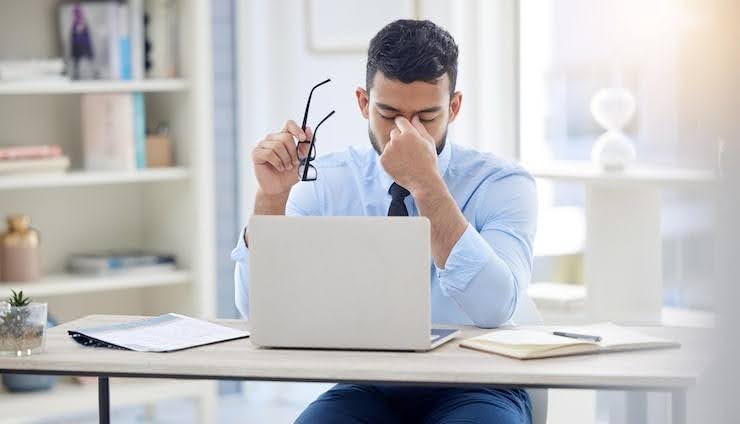
This situation can feel frustrating because the glasses may be accurate and provide vision. In some cases, the issue is not only how well each eye sees individually but also how efficiently the two eyes work together. NeuroLens screening can help evaluate whether binocular vision strain contributes to symptoms.
The Difference Between Clarity and Comfort
A standard glasses prescription is primarily designed to help light focus correctly on the retina. It can effectively correct nearsightedness, farsightedness, and astigmatism. For many people, this improvement in clarity also leads to greater visual comfort. However, some patients notice that while their vision is sharper, their symptoms remain unchanged. They may continue experiencing discomfort despite having an accurate prescription and clear vision.
Visual comfort depends on more than clear eyesight. The eyes must also work together efficiently as a team. If there is a small eye alignment issue, the visual system may need to work harder to keep images single and comfortable. This extra effort can become more noticeable during extended periods of reading, computer work, driving, or switching focus between different distances throughout the day.
End of day eye strain is often a clue that the eyes are compensating for something during daily activities. The discomfort may build gradually and become most noticeable after hours of screens, paperwork, studying, multitasking, or close work. NeuroLens screening helps determine whether binocular vision strain may be adding to that accumulated fatigue. Understanding this connection can help guide appropriate recommendations for improving visual comfort and reducing daily strain.
Symptoms That Suggest More Than Prescription
Patients who need additional evaluation often describe symptoms that become worse as the day progresses. Common complaints include headaches with new glasses, eye pressure, tired eyes, blurred focus, neck pain, shoulder tension, light sensitivity, and difficulty remaining comfortable during prolonged screen use. Some individuals notice improvement when they close their eyes or step away from near tasks, suggesting that visual demand may be contributing to discomfort.
These symptoms do not automatically mean NeuroLens is necessary. Dry eye, posture, lighting, screen habits.
medication use, stress, and adaptation to a new prescription can all contribute. However, if vision is clear and the same symptoms continue day after day, binocular vision strain deserves consideration as part of a more comprehensive evaluation. A detailed assessment can help identify contributing factors and determine appropriate next steps for improving visual comfort.
Patients should pay attention to when their symptoms begin. If discomfort starts immediately after putting on the glasses, the prescription, frame fit, lens design, or adaptation period may need review. If the glasses feel comfortable initially but symptoms develop after several hours, sustained visual effort or eye coordination demands may be playing a larger role. Tracking when discomfort appears can help doctors understand whether the issue is related to the glasses or how the visual system responds over time.
It is also helpful to identify which activities trigger symptoms most often. Computer work, reading, driving, studying, bookkeeping, and frequent phone use may create significantly more discomfort than casual distance viewing. If you have questions about ongoing symptoms, you can contact us to learn whether a more detailed evaluation may be appropriate. The more information patients provide about their daily experiences, the easier it becomes to identify potential causes and determine whether binocular vision strain may be contributing to ongoing discomfort.
What NeuroLens Screening Adds to the Exam
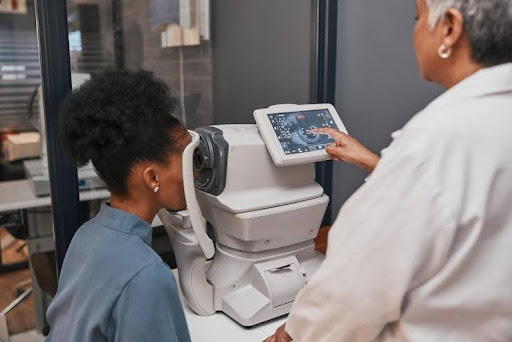
NeuroLens screening measures how the eyes align at both near and distance viewing positions. These measurements can identify small binocular misalignments that may not be fully addressed by a traditional prescription. When those findings match a patient’s symptoms, contoured prism lenses may be considered to help reduce unnecessary visual effort and improve visual comfort during demanding activities.
The screening does not replace comprehensive eye exams. Instead, it adds another layer of information to the evaluation process. The doctor still assesses prescription accuracy, eye health, dryness, lens performance, and overall visual function. NeuroLens screening is most valuable when symptoms, daily visual demands, and alignment measurements all point toward binocular vision strain. This approach helps create a more complete understanding of ongoing visual discomfort and possible contributing factors.
When to Recheck New Glasses First
Sometimes the simplest solution is to review the new glasses carefully before exploring additional options. The prescription, lens measurements, frame alignment, or progressive lens setup may need adjustment to ensure the glasses are performing as intended and providing comfortable vision.
Patients should also allow reasonable time for adaptation when appropriate. Certain prescriptions, particularly stronger changes or progressive lenses, may require a short adjustment period before they feel completely natural and comfortable during daily activities.
Sometimes the simplest solution is to review the new glasses carefully before exploring additional options. The prescription, lens measurements, frame alignment, or progressive lens setup may need adjustment to ensure the glasses are performing as intended and providing comfortable vision.
Patients should also allow reasonable time for adaptation when appropriate. Certain prescriptions, particularly stronger changes or progressive lenses, may require a short adjustment period before they feel completely natural and comfortable during daily activities.

However, when the prescription is accurate and symptoms continue despite good visual clarity, NeuroLens screening may help determine whether another layer of visual strain is contributing to ongoing discomfort. Evaluating binocular function can provide additional insight into symptoms that remain unexplained after a standard eye examination and updated glasses.
Looking Beyond Prescription Changes for Vision Comfort
Many patients feel discouraged when they invest in new glasses only to discover that their discomfort remains. They may begin questioning whether the symptoms are normal or whether anything else can be done. The reality is that persistent eye strain deserves careful attention because clear vision does not always guarantee comfortable vision. Ongoing symptoms can affect daily activities, productivity, and overall quality of life.
A person can achieve excellent results on an eye chart and still struggle during daily activities. Real-world visual demands are much more complex than briefly reading letters during an exam. Hours of computer use, paperwork, smartphones, driving, fluorescent lighting, and constant focus changes can expose visual strain that may not appear during a standard prescription check. These challenges often reveal how the eyes respond during extended periods of demand.
This is where NeuroLens screening becomes valuable. Rather than focusing only on how clearly each eye sees, the evaluation looks at how the eyes function together throughout the day. Small alignment issues may create extra effort that gradually contributes to fatigue, headaches, and discomfort. Understanding this connection can help identify whether binocular vision strain is affecting visual comfort.
The goal is not to assume that every symptom comes from binocular vision strain. Dry eye, prescription concerns, lens design issues, and environmental factors can all play a role. A thorough evaluation helps identify the true cause so treatment recommendations can be based on measurable findings rather than guesswork. By examining multiple factors, doctors can provide more targeted guidance and help patients find solutions that support clearer and more comfortable vision.
Questions to Ask Your Optometrist
Ask whether your prescription, lens design, and frame fit have been thoroughly checked. Confirming that the glasses were made correctly helps eliminate some of the most common reasons for ongoing discomfort. A proper review can ensure that the current eyewear is supporting both clear vision and daily comfort.
You should also ask whether your symptoms appear more consistent with dry eye, screen fatigue, prescription adaptation, or binocular vision strain. Many patients have multiple contributing factors, and understanding those factors can help create a more effective treatment plan. Identifying the main causes allows for more personalized recommendations.

Ask whether your prescription, lens design, and frame fit have been thoroughly checked. Confirming that the glasses were made correctly helps eliminate some of the most common reasons for ongoing discomfort. A proper review can ensure that the current eyewear is supporting both clear vision and daily comfort.
You should also ask whether your symptoms appear more consistent with dry eye, screen fatigue, prescription adaptation, or binocular vision strain. Many patients have multiple contributing factors, and understanding those factors can help create a more effective treatment plan. Identifying the main causes allows for more personalized recommendations.
Finally, ask whether NeuroLens screening would provide useful information in your specific situation. The screening is most valuable when symptoms continue despite having clear vision and properly fitted glasses. Discussing your symptoms and visual demands with your doctor can help determine the next appropriate step.
When NeuroLens Screening Makes Sense
If your new glasses improve clarity but you still experience headaches, eye pressure, neck tension, or visual fatigue by the end of the day, it may be time for a more detailed evaluation. Bring your current glasses and be prepared to discuss when symptoms occur, how long they last, and whether reading, screens, driving, or close work make them worse. These details can help identify patterns that may not be obvious during a routine exam and support a more accurate assessment of your visual needs.
Kleinwood Vision provides NeuroLens screening as part of a comprehensive approach to understanding persistent visual discomfort. By evaluating prescription accuracy, eye comfort, and binocular alignment together, the practice can help determine whether binocular vision strain is contributing to your symptoms and whether NeuroLens may be an appropriate next step.
Contact Info
Hours of Operation
Mon - Fri | 9:00 AM - 5:00 PM
Sat - Sun | Closed
Holiday Hours: We are closed for the following holidays: New Years Day, Memorial Day, Independence Day, Labor Day, Thanksgiving Day, Christmas Day
The information provided on this website is for general informational purposes only and does not constitute professional medical advice, diagnosis, or treatment. Always seek the guidance of a licensed eye care professional or qualified health provider with any questions you may have regarding a medical condition or vision concern. Results from eye care services may vary by individual.
© 2026 Kleinwood Vision. All rights Reserved.