
Myopia Management
Early-Onset Myopia: Key Warning Signs
FSDAVCFEBFEVSDDVFSD
FSDAVCFEBFEVSDDVFSD

FSDAVCFEBFEVSDDVFSD
Signs Parents Notice First
Early-onset myopia can be easy to miss, especially when myopia ages 3 to 5 develops without clear complaints from young children. Parents may notice a child sitting unusually close to the TV, holding books against their face, squinting across a room, or losing interest in distance-based activities. Some children seem clumsy in unfamiliar spaces because they cannot see details clearly.
Behavior changes often provide the first clue. A child may rub their eyes, tilt their head, resist circle-time tasks, or seem less engaged outdoors. These early signs of myopia in toddlers can be subtle, and a pediatric myopia evaluation helps separate normal behavior from a true vision problem.
Early-onset myopia can be easy to miss, especially when myopia ages 3 to 5 develops without clear complaints from young children. Parents may notice a child sitting unusually close to the TV, holding books against their face, squinting across a room, or losing interest in distance-based activities. Some children seem clumsy in unfamiliar spaces because they cannot see details clearly.
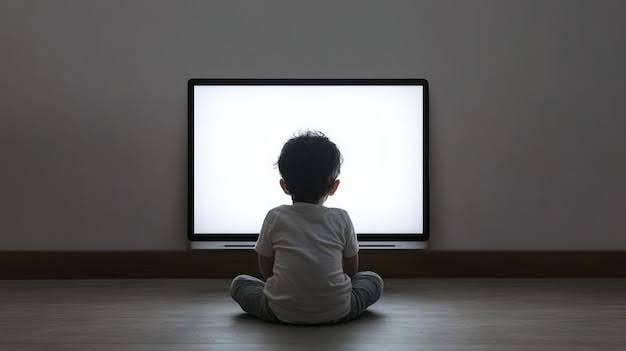
Behavior changes often provide the first clue. A child may rub their eyes, tilt their head, resist circle-time tasks, or seem less engaged outdoors. These early signs of myopia in toddlers can be subtle, and a pediatric myopia evaluation helps separate normal behavior from a true vision problem.
How Eye Doctors Confirm Myopia Early
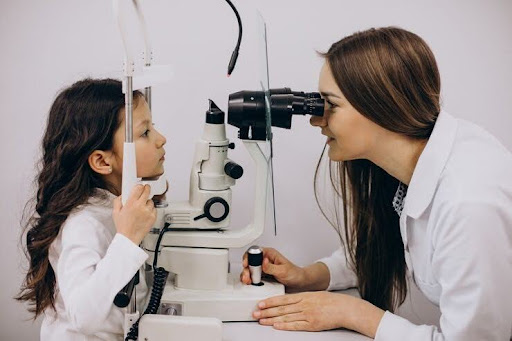
A preschool eye exam Houston parents trust begins with age-appropriate vision testing that does not rely on a child reading a standard chart. Optometrists may use symbol matching, picture-based charts, retinoscopy, and observe how the child tracks and responds to targets at different distances. These methods help estimate whether distance vision is developing normally for the child’s age, even when verbal responses are limited, allowing early detection before vision issues affect learning or daily activities.
History is also important. Parents are often asked whether one or both parents are nearsighted, whether the child spends long hours on near tasks, and whether caregivers notice squinting, frequent blinking, or moving closer to screens. Family history alone does not confirm myopia but raises concern and guides monitoring. Sharing these observations helps the optometrist interpret test results accurately.
To ensure precise measurements, the exam may include cycloplegic refraction when appropriate. These drops relax the focusing system so young eyes do not “help” during the test, which can hide the true prescription. Once confirmed, the doctor can discuss whether glasses are needed now, when to recheck, and when to start myopia management planning based on early findings.
Why Age Three to Five Matters
Myopia that appears very early often requires closer follow-up because there are more growing years ahead for the prescription to change. A child who develops early-onset myopia in the preschool years may have more time for progression than a child whose myopia begins later in elementary school. This doesn’t mean every young child will worsen rapidly, but it does affect how carefully the doctor monitors vision over time. Regular checkups help track changes and ensure any significant shifts in prescription are caught early.
Early childhood is also a crucial period for visual development, which supports learning, movement, and confidence. Untreated distance blur can make children miss details during play...
group instruction, and early classroom activities. Many young children assume their blurry vision is normal, so a comprehensive eye exam Houston providers offer establishes a baseline and enables timely myopia management discussions.
Parents can help the exam go more smoothly by talking about it in simple, positive language before the visit. Let your child know they will look at shapes, lights, and pictures rather than face anything painful or scary. Bringing current glasses, if they have them, along with a list of concerns noticed at home, and notes about family history of nearsightedness, can make the visit more efficient. Mentioning feedback from daycare or preschool—such as attention, bumping into things, or difficulty seeing demonstrations from across the room—also provides valuable context.
The clearer the history, the easier it is to connect daily behavior with test findings. These early details often guide whether the plan involves simple monitoring, first-time glasses, or closer observation for future myopia management. Preparing in advance helps the optometrist understand your child’s needs, reduces stress for both parent and child, and ensures the eye exam delivers accurate results and actionable recommendations for healthy visual development.
When to Start Myopia Management Conversations
Starting myopia management does not always mean beginning treatment the same day a young child is diagnosed. Sometimes the first step is simply confirming the prescription, prescribing glasses for clear vision, and scheduling follow-up visits close enough together to see whether change is happening quickly. The timeline depends on age, prescription size, family history, and how reliable the first measurements are.
That said, early-onset myopia is usually the point when families should begin asking long-term questions, including when to start myopia management based on progression risk. If a child becomes nearsighted at ages 3 to 5, it is reasonable to discuss expected progression, what signs would justify stronger intervention later, and which options may become appropriate as the child grows. A myopia management evaluation gives parents a framework instead of forcing rushed decisions. It also helps families understand that early monitoring is part of treatment planning, not a delay in care.
What Parents Should Watch at Home
The most useful clues at home are often repeated patterns rather than one isolated moment. Watch for squinting at distance, moving very close to screens, avoiding ball play, tilting the head, or seeming hesitant in large unfamiliar spaces.
You should also notice whether blur-related behaviors appear consistently at preschool, in the car, or during story time across the room. If teachers mention that a child is inattentive during distance-based activities, vision should be considered alongside behavior.
The most useful clues at home are often repeated patterns rather than one isolated moment. Watch for squinting at distance, moving very close to screens, avoiding ball play, tilting the head, or seeming hesitant in large unfamiliar spaces.
You should also notice whether blur-related behaviors appear consistently at preschool, in the car, or during story time across the room. If teachers mention that a child is inattentive during distance-based activities, vision should be considered alongside behavior.
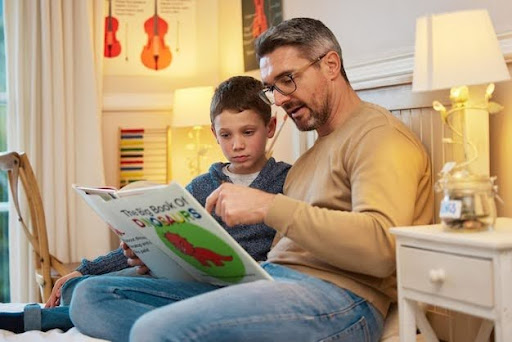
Keeping short notes before the exam can be surprisingly helpful. A simple list of what you notice, when it happens, and how often it happens makes it easier for your optometrist to decide whether the pattern fits early-onset myopia or another visual issue. Documenting these details ensures nothing is overlooked and supports accurate evaluation.
Next Steps After Early Myopia Is Confirmed
Once early myopia is confirmed, the next steps should be realistic for the child’s age and daily routine. Many preschoolers begin with glasses designed for comfort, durability, and consistent wear during the parts of the day when clear distance vision matters most. These glasses help children engage fully in play, group activities, and early learning without strain or frustration, supporting both visual development and confidence.
Families also receive guidance on healthy visual habits, such as balancing close work with outdoor time, maintaining proper working distance during books or tablet use, and returning for scheduled rechecks instead of waiting for obvious problems. These early habits are crucial because young children often cannot recognize or communicate subtle blur, and consistent routines help protect vision during a critical stage of development.
Follow-up appointments provide insight into the long-term pattern of myopia. If the prescription remains stable, the plan may continue as simple observation. If the prescription changes more quickly than expected, families can consider whether formal myopia management strategies should be introduced when age and cooperation allow. The focus is on proactive care rather than alarm, ensuring each step is tailored to the child’s needs.
The goal is to stay ahead of progression with accurate measurements and timely decisions. Parents often feel reassured knowing that early care is not overreacting but rather protecting vision development during a fast-growing stage of childhood. Clear guidance, structured follow-up, and supportive routines empower families to help their child maintain healthy vision while learning and playing confidently.
Questions Parents Can Ask Early
Parents often wonder whether their child truly has myopia or is simply too young to test accurately. It is appropriate to ask how confident the measurements are, whether cycloplegic refraction was needed, and what signs the doctor will watch at the next visit. Understanding the reliability of the baseline exam helps families know what to expect and plan for ongoing care.
It is also helpful to ask how often follow-up visits should occur and what changes at home should prompt an earlier recheck. Specific guidance is more useful than vague advice, especially for busy families monitoring a preschooler’s visual habits. Observing subtle signs like squinting, moving close to screens, or hesitancy during distance tasks helps the doctor track early-onset myopia.
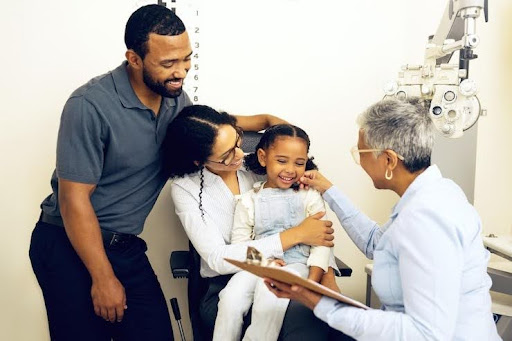
Parents often wonder whether their child truly has myopia or is simply too young to test accurately. It is appropriate to ask how confident the measurements are, whether cycloplegic refraction was needed, and what signs the doctor will watch at the next visit. Understanding the reliability of the baseline exam helps families know what to expect and plan for ongoing care.
It is also helpful to ask how often follow-up visits should occur and what changes at home should prompt an earlier recheck. Specific guidance is more useful than vague advice, especially for busy families monitoring a preschooler’s visual habits. Observing subtle signs like squinting, moving close to screens, or hesitancy during distance tasks helps the doctor track early-onset myopia.
Finally, parents should ask when a simple glasses plan is enough and when a broader myopia management conversation should begin. This keeps next steps predictable and supports healthy visual development.
Your Next Steps Before the Visit
If you suspect your child is not seeing clearly, schedule a comprehensive eye exam Houston parents rely on that includes age-appropriate distance testing, prescription measurement, and a discussion of how young children show blur differently from older kids. Bring any school or daycare concerns, your child’s current glasses if they have them, and a short list of behaviors you have noticed at home. Even small patterns can help the exam make more sense.
If early-onset myopia is present, Kleinwood Vision can explain what the prescription means now, how follow-up should be timed, and when a myopia management discussion becomes important. A written plan helps parents know what to watch, when to return, and how to support good visual habits at home. If you have concerns about your child’s vision, Contact us to schedule an appointment and take the next step toward clear, confident visual development.
Contact Info
Hours of Operation
Mon - Fri | 9:00 AM - 5:00 PM
Sat - Sun | Closed
Holiday Hours: We are closed for the following holidays: New Years Day, Memorial Day, Independence Day, Labor Day, Thanksgiving Day, Christmas Day
The information provided on this website is for general informational purposes only and does not constitute professional medical advice, diagnosis, or treatment. Always seek the guidance of a licensed eye care professional or qualified health provider with any questions you may have regarding a medical condition or vision concern. Results from eye care services may vary by individual.
© 2026 Kleinwood Vision. All rights Reserved.