
NeuroLens
Dry Eye or Eye Misalignment?

FSDAVCFEBFEVSDDVFSD
FSDAVCFEBFEVSDDVFSD

FSDAVCFEBFEVSDDVFSD
Why Eye Strain Gets Misread So Often
Eye strain is a broad symptom that may include burning, fatigue, headaches, blur, heaviness, and discomfort during reading or screen use. Both dry eye and eye misalignment can create similar symptoms, making it easy to assume the wrong cause. Many patients are simply told they have tired eyes without understanding why the discomfort continues.
This confusion matters because treatments are very different. Dry eye treatment improves the tear film and ocular surface, while eye misalignment treatment focuses on eye coordination during visual tasks. A comprehensive eye exam Houston patients rely on can help identify the true cause and prevent repeated discomfort from treatments that only address part of the problem.
Eye strain is a broad symptom that may include burning, fatigue, headaches, blur, heaviness, and discomfort during reading or screen use. Both dry eye and eye misalignment can create similar symptoms, making it easy to assume the wrong cause. Many patients are simply told they have tired eyes without understanding why the discomfort continues.

This confusion matters because treatments are very different. Dry eye treatment improves the tear film and ocular surface, while eye misalignment treatment focuses on eye coordination during visual tasks. A comprehensive eye exam Houston patients rely on can help identify the true cause and prevent repeated discomfort from treatments that only address part of the problem.
Signs the Problem May Be Dry Eye
Dry eye is often more likely when symptoms include burning, stinging, watery eyes, fluctuating blur that improves after blinking, grittiness, or irritation that worsens in dry environments, wind, air conditioning, or long screen sessions. Many patients notice symptoms becoming worse later in the day, especially during computer work when blinking decreases naturally. Contact lens wearers may experience these symptoms earlier because tear-film stability becomes even more important with lens use.
These symptoms commonly point toward tear-film instability, meibomian gland dysfunction, or irritation on the eye surface. However, dry eye can also create fatigue, blurred vision, and discomfort that closely overlap with binocular vision complaints. Because of this, symptoms alone are not enough to determine the exact cause of eye strain. A comprehensive eye exam Houston patients trust should evaluate the tear film and ocular surface carefully rather than assuming dryness is the only issue.
When dryness is the main cause, treatment usually focuses on stabilizing the tear film, improving eyelid oil gland function, and reducing triggers that irritate the eye surface. Many patients feel reassured once they understand that dry eye symptoms vs eye misalignment symptoms can overlap significantly.
Signs Eye Misalignment May Be Involved
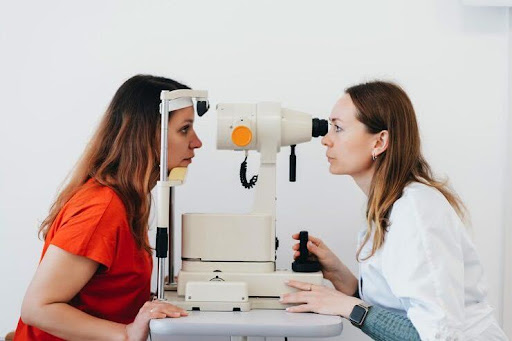
Eye misalignment becomes more suspicious when symptoms mainly appear during near tasks like reading, computer work, or prolonged screen use. Common symptoms include headaches, pressure around or behind the eyes, neck tension, motion discomfort, and difficulty sustaining focus. Many patients notice that symptoms improve after stepping away from screens, even if the eyes do not feel dry, irritated, or gritty. The eyes may simply feel overworked during visually demanding activities.
Unlike dry eye, binocular strain is usually caused by visual effort rather than surface irritation. Patients often describe visual fatigue, pressure, or mental exhaustion after near work instead of burning or stinging sensations.
A NeuroLens eye exam Houston patients schedule can help detect small alignment issues contributing to discomfort. Identifying these problems early can help reduce strain and improve comfort during reading, work, and daily screen use activities.
Patients often become confused because one treatment may provide enough temporary improvement to make the wrong diagnosis seem correct. Lubricating drops, for example, may reduce surface irritation while doing little for headaches or near-task fatigue. On the other hand, someone with significant dry eye may assume their screen discomfort is caused by focusing or prism issues when the real problem is tear-film instability.
Mixed cases are also very common. Some patients truly have both surface irritation and binocular strain contributing at the same time. That is why partial improvement does not always mean the full answer has been found. Paying attention to what the symptoms feel like, when they occur, and what provides relief helps the doctor interpret the exam more accurately. The goal is to determine whether the discomfort is mainly surface-based, mainly binocular, or a combination requiring both problems to be addressed together.
Why Some Patients Have Both Problems
It is extremely common for patients to experience both dry eye and eye misalignment at the same time. A dry ocular surface can make visual tasks feel more irritating and unstable, while binocular strain can make the eyes feel pressured, tired, and overworked during those same activities. This overlap is one reason patients often feel frustrated when no single treatment completely resolves the problem.
When both issues are present, the exam becomes even more important because treatment needs to be prioritized carefully. Some patients benefit from surface treatment first so measurements become more accurate and the eyes feel less irritated overall. Others need both tear-film treatment and binocular support to achieve meaningful relief. The goal is not to force symptoms into one category, but to identify how much each factor is contributing so the treatment plan addresses the true cause of the strain.
Why Eye Symptom Patterns Matter
The way symptoms behave often provides important clues before testing begins. Burning, grittiness, and blur that improves after blinking may suggest dry eye, while headaches, pressure, and fatigue during reading or screen use may point toward eye misalignment. Recognizing these patterns helps guide the evaluation process more accurately.
A detailed symptom history is an important part of diagnosis. Doctors look at when symptoms appear, which activities trigger them, and what provides relief. These details help separate dry eye or eye misalignment patterns that can appear very similar.
The way symptoms behave often provides important clues before testing begins. Burning, grittiness, and blur that improves after blinking may suggest dry eye, while headaches, pressure, and fatigue during reading or screen use may point toward eye misalignment. Recognizing these patterns helps guide the evaluation process more accurately.
A detailed symptom history is an important part of diagnosis. Doctors look at when symptoms appear, which activities trigger them, and what provides relief. These details help separate dry eye or eye misalignment patterns that can appear very similar.

Symptom patterns do not replace clinical testing, but they help direct the exam toward the most likely cause. Clear symptom descriptions make it easier to identify eye strain and recommend treatment that targets the underlying problem instead of only temporary discomfort.
Why Accurate Diagnosis Changes Treatment
The question of dry eye versus eye misalignment matters because the wrong assumption can lead to months of incomplete treatment and continued frustration. Some patients keep using artificial tears for symptoms that are actually caused more by binocular vision stress, while others continue changing prescriptions, reducing screen time, or adjusting work habits when the ocular surface is the primary issue. Since the symptoms overlap so heavily, relying only on online symptom lists or general advice rarely provides enough clarity to determine the true cause of discomfort. Burning, fatigue, headaches, pressure, blurred vision, and trouble focusing can all appear in both conditions.
A thorough evaluation changes that by testing both the ocular surface and binocular function together instead of focusing on only one possible explanation. This type of comprehensive approach helps doctors identify whether symptoms are mainly linked to tear-film instability, meibomian gland dysfunction, surface irritation, or visual coordination problems during near tasks like reading and prolonged screen use.
When dry eye is the primary driver, treatment can focus on improving tear quality, stabilizing the tear film, and supporting ocular surface health. When alignment stress plays a larger role, the discussion may shift toward binocular support and whether NeuroLens lenses may help reduce headaches, pressure, and visual fatigue during daily activities.
In many cases, both problems exist together. A complete evaluation allows treatment to address both conditions at the same time instead of forcing patients to choose only one explanation. Many patients feel reassured once they understand their symptoms were connected all along and not simply caused by “tired eyes” from everyday screen use or reading demands.
Questions to Ask During the Exam
Ask whether your symptoms sound more surface-related, more binocular, or a combination of both. That creates a much clearer framework for understanding the problem than simply asking whether your eyes are dry. It also helps the discussion stay focused on the actual mechanisms causing the discomfort.
It is also helpful to ask what findings during the exam support that conclusion. Knowing whether the doctor is seeing tear-film instability, alignment stress, or a combination of the two makes the diagnosis easier to understand and trust. A detailed explanation often helps patients feel more confident about the treatment plan moving forward.

Ask whether your symptoms sound more surface-related, more binocular, or a combination of both. That creates a much clearer framework for understanding the problem than simply asking whether your eyes are dry. It also helps the discussion stay focused on the actual mechanisms causing the discomfort.
It is also helpful to ask what findings during the exam support that conclusion. Knowing whether the doctor is seeing tear-film instability, alignment stress, or a combination of the two makes the diagnosis easier to understand and trust. A detailed explanation often helps patients feel more confident about the treatment plan moving forward.
Finally, ask which part of the problem should be treated first and why. Some cases respond best when dry eye is stabilized before further alignment testing, while others may require binocular support alongside surface treatment. Understanding the treatment order often makes the path forward feel much more manageable and less frustrating.
Your Next Steps Before Your Visit
Before your appointment, write down what your eye strain actually feels like and when it happens. Note whether you experience burning, grittiness, headaches, pressure, blurred vision, or discomfort during reading and screen use. Also pay attention to what improves symptoms, such as blinking, artificial tears, breaks from screens, or stepping away from near work. These details help your optometrist interpret the symptom pattern much more accurately.
If you are unsure whether the problem is dry eye, eye misalignment, or both, Kleinwood Vision can evaluate your ocular surface, prescription, and binocular function to determine what is truly driving the discomfort. A more precise diagnosis often leads to much more effective treatment and helps patients finally move beyond temporary symptom management. If ongoing headaches and eye strain causes are interfering with daily comfort, Contact us to schedule an evaluation and learn which treatment approach best fits your visual needs.
Contact Info
Hours of Operation
Mon - Fri | 9:00 AM - 5:00 PM
Sat - Sun | Closed
Holiday Hours: We are closed for the following holidays: New Years Day, Memorial Day, Independence Day, Labor Day, Thanksgiving Day, Christmas Day
The information provided on this website is for general informational purposes only and does not constitute professional medical advice, diagnosis, or treatment. Always seek the guidance of a licensed eye care professional or qualified health provider with any questions you may have regarding a medical condition or vision concern. Results from eye care services may vary by individual.
© 2026 Kleinwood Vision. All rights Reserved.