
Myopia Management
Does a Stronger Prescription Mean More Myopia?

FSDAVCFEBFEVSDDVFSD
FSDAVCFEBFEVSDDVFSD
FSDAVCFEBFEVSDDVFSD
What a Stronger Prescription Usually Means
In many cases, a stronger prescription myopia update does mean a child’s nearsightedness has increased. When the eye changes in a way that shifts focus, distant objects become blurrier, and glasses must provide more correction to restore clarity. Parents often notice this when a child needs stronger glasses, starts squinting again, or says their current lenses no longer seem as clear as before.
At the time, not prescription change should be treated the way. Small increases can reflect normal growth or precise measurement. A pediatric eye exam Houston families trust helps explain whether update reflects expected change or a pattern suggesting myopia is getting worse.
In many cases, a stronger prescription myopia update does mean a child’s nearsightedness has increased. When the eye changes in a way that shifts focus, distant objects become blurrier, and glasses must provide more correction to restore clarity. Parents often notice this when a child needs stronger glasses, starts squinting again, or says their current lenses no longer seem as clear as before.

At the time, not prescription change should be treated the way. Small increases can reflect normal growth or precise measurement. A pediatric eye exam Houston families trust helps explain whether update reflects expected change or a pattern suggesting myopia is getting worse.
Why One Prescription Change Is Not Enough
Parents often focus on whether the new number is stronger than the old one, but the bigger picture matters more. A single increase may not be significant unless it fits a pattern of repeated changes over time. Looking at one update without comparing previous prescriptions can make normal adjustments seem more concerning than they really are, especially when changes appear quickly or without clear explanation to families.
Age is also important. Younger children diagnosed early tend to have more years for myopia to progress, which makes even small changes worth monitoring more closely over time. Family history, screen time, and time spent outdoors can all influence how quickly prescriptions change and how doctors interpret those changes in a growing child’s vision development and overall eye health.
A comprehensive eye exam Houston providers perform compares current results with past measurements to identify whether the prescription increase is mild, expected, or part of a faster trend. This broader view helps guide better decisions rather than reacting to each change individually, helping parents feel more informed, reassured, and confident about next steps and long term care.
Signs Progression May Be Happening Faster
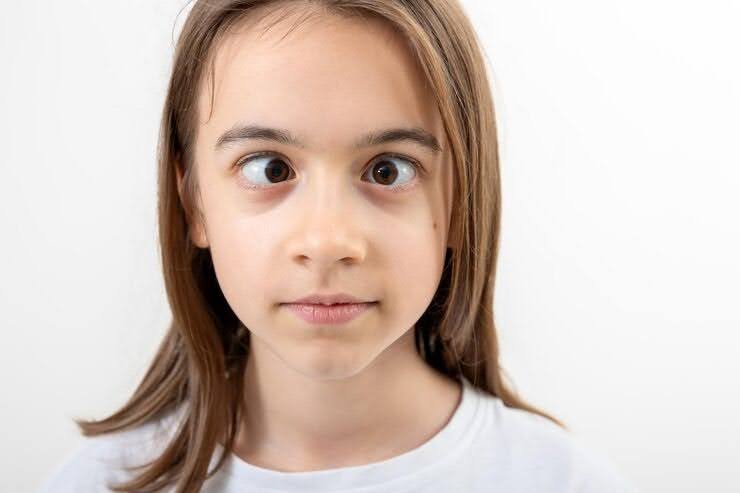
A stronger prescription becomes more concerning when changes happen frequently or when symptoms return quickly after getting new glasses. If a child continues squinting, struggles to see at a distance, or complains about blur soon after an update, it may signal ongoing progression rather than stability. These are common myopia progression signs parents should not ignore, especially when they occur repeatedly within short intervals between eye exams and daily activities.
Other signs include sitting closer to screens, difficulty seeing the board, or reduced confidence with distance tasks in school or everyday routines.
A myopia management evaluation can help determine whether the pattern is typical or whether closer monitoring is needed to better manage long-term changes, protect vision quality, and support a child’s comfort, performance, and overall visual development as they continue to grow and learn.
Parents often feel overwhelmed by prescription numbers, especially when each update looks stronger. It helps to focus less on the number itself and more on the trend. Asking how the prescription has changed over time provides a clearer picture than reacting to a single visit result. This perspective reduces confusion and helps families understand whether changes are gradual, stable, or more rapid than expected.
Understanding this pattern makes follow-up recommendations easier to accept and helps families feel more confident about whether changes are expected or need closer attention. It also supports better communication with eye care providers, allowing parents to discuss results in context rather than focusing only on individual measurements. Over time, tracking the overall direction of change can make decisions about treatment, monitoring, or lifestyle adjustments more meaningful and less stressful for both parents and children and supports long-term eye health planning at every stage while giving clearer expectations for future changes and care decisions over time overall.
When Parents Should Ask More Questions
Parents should ask more questions when prescription updates happen often, especially in younger children. If a child needs stronger glasses repeatedly or continues to show signs of distance blur, it may indicate that myopia is progressing rather than stabilizing. These situations are worth paying attention to because they can reflect ongoing changes in how the eyes are developing over time.
This does not mean every increase requires immediate treatment. Sometimes monitoring is enough depending on the rate of change and overall symptoms. However, consistent changes make it important to understand the pattern and decide whether a longer-term approach is needed. Regular communication with an eye care provider helps families track progression clearly and choose the most appropriate steps for maintaining healthy vision.
Why Baselines and Follow-Ups Matter
The first accurate prescription creates an important baseline. Once that starting point is established, future visits become more meaningful because changes can be compared over time rather than viewed in isolation. This helps eye care providers and parents understand how vision is developing in a structured way.
Without that comparison, families may worry too much about small changes or overlook patterns that deserve attention. Follow-up visits help turn individual prescriptions into a clearer trend that is easier to understand and interpret in the context of a child’s growth and visual needs.
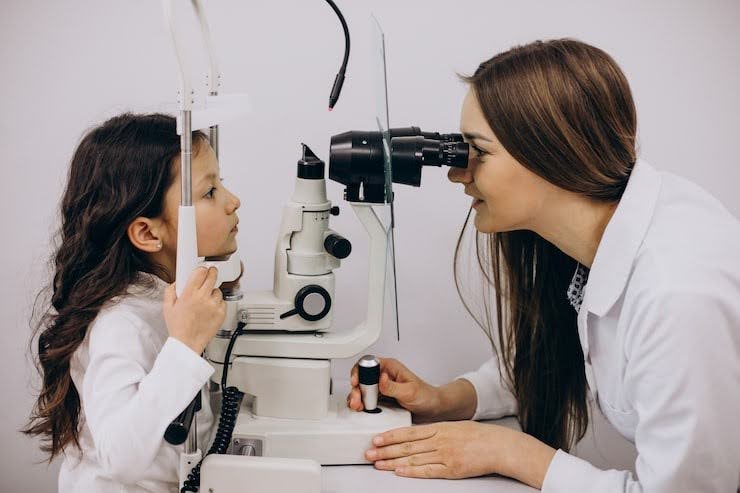
That trend is what guides good decisions. It helps determine whether the child needs routine monitoring, more frequent exams, or a deeper discussion about myopia management strategies that support long-term eye health and stable vision development.
Understanding What Prescription Trends Mean
A stronger prescription often raises concern, but the real insight comes from how that number fits into a broader pattern. Some children show slow, steady changes over time, while others experience faster progression that requires closer attention. The number alone does not explain everything, because vision development is influenced by multiple overlapping factors rather than a single measurement.
Eye doctors evaluate multiple factors, including age, habits, family history, and how the child is functioning in daily life. A child who shows repeated increases over short periods may need more careful monitoring compared to one whose prescription changes only slightly over longer intervals. These details help determine whether the progression is within a normal range or suggests a faster shift in vision.
Parents should think of each prescription update as part of a bigger story. Instead of reacting to a single increase, understanding the pattern helps reduce anxiety and supports better long-term planning. It also helps families feel more confident about whether monitoring is enough or whether additional steps may be needed as the child grows and visual demands increase.
When these trends are explained clearly, decisions become more structured and less stressful. Families can move forward with a clearer understanding of what to expect and how to respond if changes continue over time. This approach supports better communication with eye care providers and helps ensure that any necessary adjustments are made at the right time for the child’s visual health.
Questions Parents Should Ask at Follow-Up
Parents should ask how the new prescription compares with previous visits instead of focusing only on whether it increased. Understanding the trend provides better clarity about what is happening over time and helps reduce unnecessary concern about small or expected variations between eye exams.
It is also helpful to ask whether age, habits, or family history make the current change more significant. This context explains why some children are monitored more closely than others with similar prescriptions and helps parents understand how different risk factors can influence vision development and progression patterns.
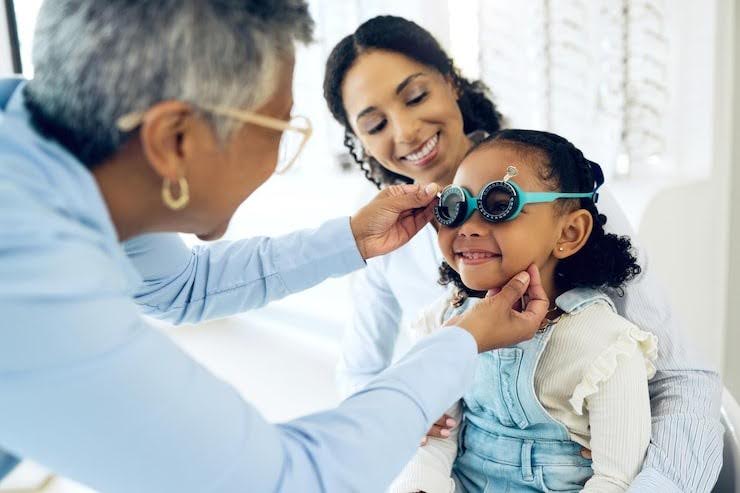
Parents should ask how the new prescription compares with previous visits instead of focusing only on whether it increased. Understanding the trend provides better clarity about what is happening over time and helps reduce unnecessary concern about small or expected variations between eye exams.
It is also helpful to ask whether age, habits, or family history make the current change more significant. This context explains why some children are monitored more closely than others with similar prescriptions and helps parents understand how different risk factors can influence vision development and progression patterns.
Finally, ask what signs to watch between visits. Knowing when to schedule a recheck helps families stay proactive and reduces uncertainty about whether myopia is getting worse. It also supports earlier intervention when needed, improves communication with eye care providers, and ensures that children receive timely guidance for maintaining stable and healthy vision as they grow.
Your Next Steps Before the Visit
If your child needs stronger glasses, schedule a comprehensive eye exam Houston visit that reviews symptoms, compares past prescriptions, and evaluates whether changes are part of a normal pattern or signs of progression. Bring current glasses and any previous records to help create a clearer history of vision changes over time, allowing for a more accurate and informed assessment of your child’s eyesight and overall visual needs.
If stronger prescription myopia changes are becoming more frequent, Kleinwood Vision can help determine whether a myopia management evaluation is needed. A clear plan makes it easier to monitor vision changes and know when to Contact us for follow-up care that supports long-term eye health, visual development, and ongoing tracking of prescription stability, ensuring your child receives timely attention and appropriate guidance as their vision continues to change.
Contact Info
Hours of Operation
Mon - Fri | 9:00 AM - 5:00 PM
Sat - Sun | Closed
Holiday Hours: We are closed for the following holidays: New Years Day, Memorial Day, Independence Day, Labor Day, Thanksgiving Day, Christmas Day
The information provided on this website is for general informational purposes only and does not constitute professional medical advice, diagnosis, or treatment. Always seek the guidance of a licensed eye care professional or qualified health provider with any questions you may have regarding a medical condition or vision concern. Results from eye care services may vary by individual.
© 2026 Kleinwood Vision. All rights Reserved.