
Lens Care
Lens Case Hygiene That Works

FSDAVCFEBFEVSDDVFSD

FSDAVCFEBFEVSDDVFSD
FSDAVCFEBFEVSDDVFSD
Understanding What Biofilm Really Is
Biofilm is a sticky community of microbes that clings inside cases and resists ordinary rinsing. Tap water adds organisms like Acanthamoeba, which thrive in moist plastic and threaten eye health. Even clean-looking wells can hide growth invisible to the eye; that’s why science stresses prevention.
The fix is straightforward: brand-approved solution only, a repeatable lens case cleaning method each morning, and a smart case replacement schedule. Small, consistent steps reduce infection risk, keep lenses comfortable, and support guidance from your Houston eye doctor. Remember: no tap water contacts—ever. At Kleinwood Vision, we explain contact lens case biofilm during Comprehensive Eye Exams and Myopia Management visits.
Biofilm is a sticky community of microbes that clings inside cases and resists ordinary rinsing. Tap water adds organisms like Acanthamoeba, which thrive in moist plastic and threaten eye health. Even clean-looking wells can hide growth invisible to the eye; that’s why science stresses prevention.
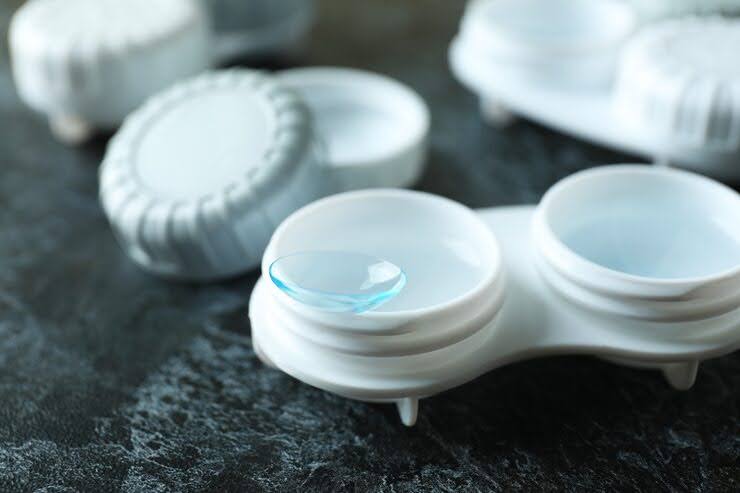
The fix is straightforward: brand-approved solution only, a repeatable lens case cleaning method each morning, and a smart case replacement schedule. Small, consistent steps reduce infection risk, keep lenses comfortable, and support guidance from your Houston eye doctor. Remember: no tap water contacts—ever. At Kleinwood Vision, we explain contact lens case biofilm during Comprehensive Eye Exams and Myopia Management visits.
Your Daily Clean, Dry, Replace Routine
Each morning, discard last night’s solution, then rinse the case with fresh disinfecting solution—not water—and shake gently. Rub wells and caps with solution to loosen residue; never top off. Keep bottles capped, and avoid touching tips to the case to minimize contamination. Use only clinic-approved multipurpose or peroxide systems matched to your lens material; chemistry matters for comfort.
Wipe the wells with clean fingers or a lint-free tissue, then air-dry face-down on a clean towel in a low-dust area. Position away from sinks and splashes. Match caps to their wells every time; mixing lids spreads residue and microbes between sides. Dry cases in daylight when possible, but avoid direct sun heat; replace towels weekly to prevent lint.
Follow a case replacement schedule of every one to three months, or sooner if the plastic turns cloudy, cracks, or smells off. Travelers should carry a sealed spare. These case hygiene tips, combined with brand-approved chemistry, keep surfaces clear and reduce risk while habits stay simple. If you struggle with deposits, ask your Houston eye doctor to review rubbing times and solution pairing during your next visit.
Common Mistakes and Quick Fixes
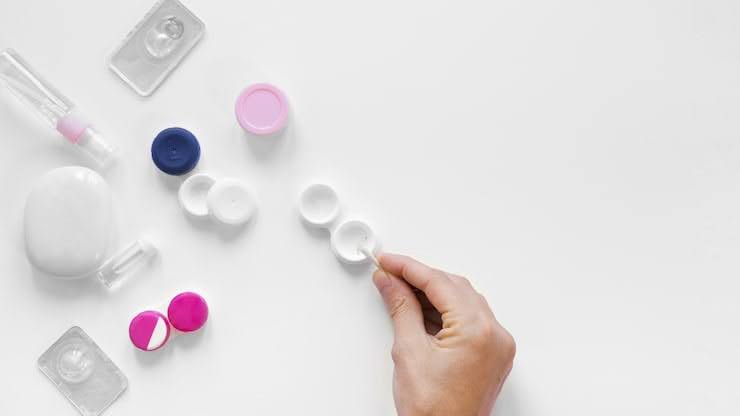
Never top off yesterday’s solution—dump fully and refill. Skip bathroom counter puddles and avoid hotel soaps that leave residue. If slime, flakes, or odors appear, replace the case immediately and start fresh. Review hand soap choice and towel lint; moisturizers and fibers seed film. Remember: no tap water contacts, even for a quick rinse.
For frequent deposits, confirm solution brand and expiration, verify lens rub times, and clean cap threads where biofilm hides. Disassemble hinges if possible, then rinse with fresh solution and air-dry face-down.
When problems persist, bring your case to Kleinwood Vision; we’ll examine wear patterns and teach a faster, safer lens case cleaning method you can repeat daily. Photos of residues and dates help us link contact lens case biofilm to habits, products, or travel exposures. Bring solutions too for a quick check.
If redness, stinging, or reduced wear time persists, bring the case, lenses, and every solution you use to the clinic. Small product swaps, fresh cases, or timing tweaks often solve the issue. For multi-wearer homes, label cases clearly to prevent mix-ups, and store each kit in a separate, clean caddy. Keep one new case sealed for emergencies so you never reuse a damaged one.
Working in dust or pollen? Pair lenses with wrap safety eyewear and consider a single midday refresh using fresh solution and a new vial if advised. Track comfort and clarity at one and six hours; a tiny two-line log separates saline or solution problems from fit or surface deposits. Sharing that log during Comprehensive Eye Exams speeds coaching and keeps days comfortable. These records also inform Myopia Management plans when contact lenses support vision and long-term eye health.
Travel Tips and Busy-Week Workarounds
Heat and sunlight degrade plastic and seals; store cases and vials in a cool pouch and never in a hot car. For flights, keep cases and solutions in carry-on bags to prevent crushing or leakage. Cap bottles tightly, and use a leak-proof bag. On arrival, set up a clean, dry station away from splashing sinks and hotel glass tumblers.
For work or school, build a pocket kit: travel case, small solution, plungers if needed, mirror, and lint-free tissues. If comfort dips midday, refresh once; repeated refresh needs suggest a surface or fit review. When in doubt, skip wear rather than rush hygiene, and contact us for quick guidance from your Houston eye doctor. Clean hands first, then handle lenses over a towel.
Essential Weekly and Monthly Lens Habits
Weekly: inspect each well under bright light for scratches, haze, or slimy film; replace towels used for drying; verify solution levels and expiration dates; toss any bottle that looks contaminated. Store the dry case face-down away from steam or window condensation.
Biweekly: sanitize the drying area with alcohol wipes, clean cap threads and hinges, and confirm lids seat smoothly without cross-threading; review your lens case cleaning method to keep steps consistent. Note any leaks or cracks.
Weekly: inspect each well under bright light for scratches, haze, or slimy film; replace towels used for drying; verify solution levels and expiration dates; toss any bottle that looks contaminated. Store the dry case face-down away from steam or window condensation.
Biweekly: sanitize the drying area with alcohol wipes, clean cap threads and hinges, and confirm lids seat smoothly without cross-threading; review your lens case cleaning method to keep steps consistent. Note any leaks or cracks.
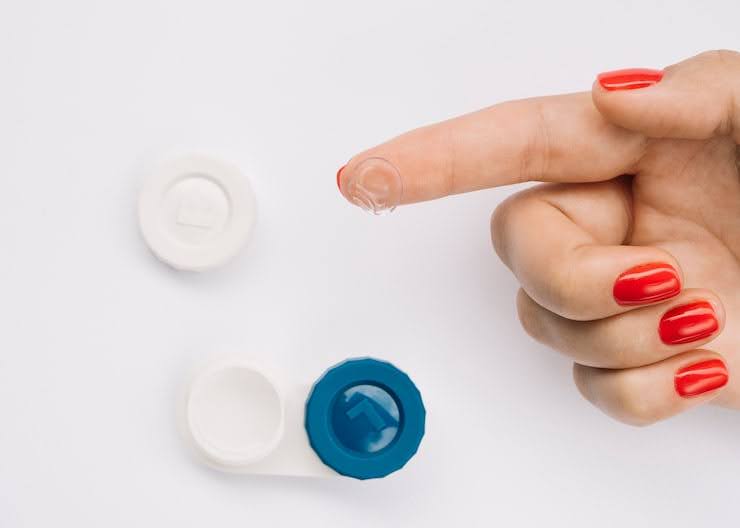
Monthly: replace the case on a set date, record it on the calendar, and recycle if your program allows. Align this swap with lens and solution reorders so supplies stay fresh and habits remain effortless. Consistency beats deep cleaning; new plastic disrupts biofilm cycles and protects eyes.
Clinic-Approved Lens Solutions and Schedules
Use only solutions your provider approves for your lens type—chemistry affects surface wetting, comfort, and disinfecting power. Brand switches without guidance can trigger irritation or deposits. Bring bottles to visits so labels, preservatives, and instructions can be verified. Peroxide systems require full neutralization time; never shortcut steps or transfer fluids to unmarked bottles.
Set calendar reminders for solution and case replacement, pairing them with lens reorder dates. This simple scheduling prevents last-minute substitutes and supports safer routines. If sensitivity or haze persists, ask whether a hydrogen-peroxide system suits your lenses, or whether daily disposables are better for your lifestyle. Store backups in a cool, dry cabinet and rotate first-in, first-out so nothing expires unseen.
During Comprehensive Eye Exams, we review real-world wear logs, look for signs of contact lens case biofilm, and confirm that your current routine still matches your needs. If deposits recur, we may adjust rub times, change solution families, or recommend alternate materials. Document every product change with a goal—less fogging, fewer end-day symptoms—and a recheck date. Photos of cases, caps, and drying areas help us spot hygiene gaps that written notes miss.
Myopia Management patients and Specialty Contacts wearers benefit from more frequent hygiene coaching, especially after travel or schedule shifts. If problems pop up between appointments, contact us. Early guidance from a Houston eye doctor prevents setbacks and keeps clarity, comfort, and ocular health on track. We can also supply travel-sized, clinic-approved kits and printed instructions for hotels and camps, reducing confusion when routines change.
Common Patient Questions About Lens Cases
Can I boil my case or run it through a dishwasher? No—heat warps plastic and dish detergents leave residues. Alcohol wipes can assist on threads if your provider approves, but wipes don’t replace scheduled swaps.
Why air-dry face-down? Gravity limits dust and bathroom aerosol settling into the wells. Do colored cases stain lenses? Quality dyes from reputable brands are fine; replace if color bleeds, flakes, or odors appear. How often should I replace the case? Every one to three months, sooner with damage.
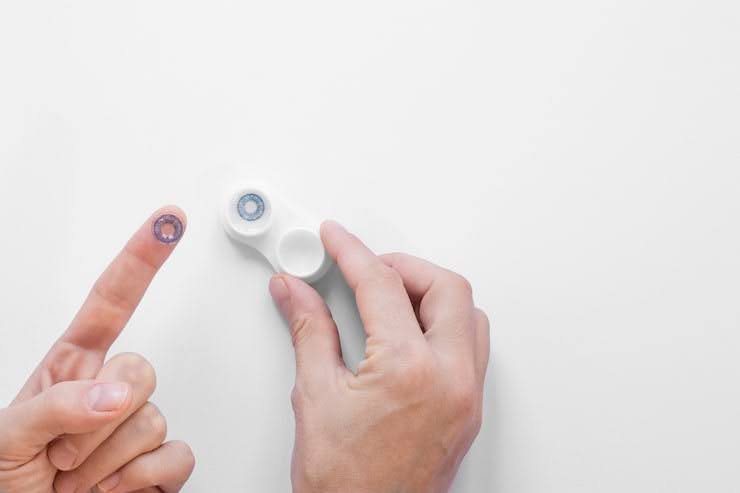
Can I boil my case or run it through a dishwasher? No—heat warps plastic and dish detergents leave residues. Alcohol wipes can assist on threads if your provider approves, but wipes don’t replace scheduled swaps.
Why air-dry face-down? Gravity limits dust and bathroom aerosol settling into the wells. Do colored cases stain lenses? Quality dyes from reputable brands are fine; replace if color bleeds, flakes, or odors appear. How often should I replace the case? Every one to three months, sooner with damage.
What if I forget and top off? Dump fully, rinse with fresh solution, and restart your routine. Still seeing haze? Bring the case, bottles, and lenses to Kleinwood Vision for a quick check. We’ll review case hygiene tips, confirm fit, and reset habits so daily wear stays clear and comfortable. For persistent issues, contact us or schedule Comprehensive Eye Exams.
Complete Checklist for Keeping Cases Clean
Empty → rinse with fresh solution → wipe wells and threads → air-dry face-down. Log the date and plan a case replacement schedule—set a calendar alert for the first of each month. Never use tap water; no tap water contacts protects against Acanthamoeba and other microbes. If symptoms repeat for three days, bring your case, lenses, and solutions for assessment.
Clean cases make clear, comfortable days predictable. Follow your provider’s lens case cleaning method, stick with clinic-approved chemistry, and keep a sealed spare on hand. For supply checks, fit questions, or travel kits, contact us at Kleinwood Vision; coordinated care through Myopia Management and Comprehensive Eye Exams keeps eyes healthy while routines stay simple. If in doubt after travel or illness, pause wear overnight and restart with a new case and fresh solution while we review your routine.
Contact Info
Hours of Operation
Mon - Fri | 9:00 AM - 5:00 PM
Sat - Sun | Closed
Holiday Hours: We are closed for the following holidays: New Years Day, Memorial Day, Independence Day, Labor Day, Thanksgiving Day, Christmas Day
The information provided on this website is for general informational purposes only and does not constitute professional medical advice, diagnosis, or treatment. Always seek the guidance of a licensed eye care professional or qualified health provider with any questions you may have regarding a medical condition or vision concern. Results from eye care services may vary by individual.
© 2026 Kleinwood Vision. All rights Reserved.