
Myopia Management
Can Under-Corrected Glasses Increase Myopia?
FSDAVCFEBFEVSDDVFSD
FSDAVCFEBFEVSDDVFSD
FSDAVCFEBFEVSDDVFSD
What Under-Corrected Glasses Mean
Under-corrected glasses are glasses that do not fully correct a child's nearsightedness. The lenses may be intentionally made weaker than the child's actual prescription, or the child may simply be wearing an outdated pair that no longer provides clear distance vision. In either case, the child is not seeing as clearly as they should during school, sports, and everyday activities, affecting learning, confidence, and daily performance.
Some parents wonder whether weaker glasses can help slow myopia progression by making the eyes work harder. However, this idea is not the same as true myopia management for kids. Children need clear, comfortable vision, and reducing visual clarity.
Under-corrected glasses are glasses that do not fully correct a child's nearsightedness. The lenses may be intentionally made weaker than the child's actual prescription, or the child may simply be wearing an outdated pair that no longer provides clear distance vision. In either case, the child is not seeing as clearly as they should during school, sports, and everyday activities, affecting learning, confidence, and daily performance.

Some parents wonder whether weaker glasses can help slow myopia progression by making the eyes work harder. However, this idea is not the same as true myopia management for kids. Children need clear, comfortable vision, and reducing visual clarity.
Why Weaker Glasses Are Not Myopia Control
Myopia management is based on treatments specifically designed to slow the progression of nearsightedness while still providing clear vision. These treatments may include orthokeratology lenses, soft multifocal contact lenses, myopia-control spectacles, atropine eye drops, or other doctor-recommended approaches. The primary goal is to influence how the eye grows while maintaining comfortable, clear daily vision for children as their eyes continue developing.
Under-corrected glasses myopia strategies do not work the same way. A weaker prescription may leave a child squinting, moving closer to classroom materials, struggling to see distant objects, or avoiding activities that depend on clear distance vision. Rather than helping, persistent blur can interfere with learning, confidence, sports participation, classroom performance, social interactions, and overall comfort during everyday activities.
Parents should also remember that myopia progression involves many factors, including genetics, age, lifestyle habits, and eye growth patterns. If a child’s prescription is changing, the better approach is to discuss proven myopia management options with an eye care professional instead of relying on intentionally weak glasses. Early intervention and regular eye examinations can help protect long-term vision and support healthy visual development.
Signs Your Child Is Under-Corrected
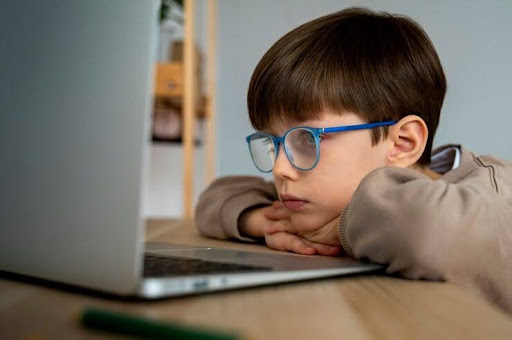
A child with an under-corrected prescription may squint frequently, sit closer to the television, move nearer to the classroom board, or complain that distant objects appear blurry. Some children never mention these problems because they assume everyone sees the same way they do.
Parents may also notice headaches, eye rubbing, reduced attention during schoolwork, or frustration when trying to see things across the room. These signs do not always confirm that the prescription is too weak...
but they are important reasons to schedule comprehensive eye exams and determine whether vision correction needs updating. Early evaluation by an eye care professional can help identify vision concerns and ensure children receive proper correction for clear and comfortable vision during daily activities. More awareness of under-corrected prescription symptoms can support timely care and healthier visual development for children.
Outdated glasses can create the same issues as intentional under-correction. A child’s myopia may progress between appointments, causing a once-accurate prescription to become too weak over time. Even when glasses are worn consistently, the child may still struggle because the prescription no longer provides adequate clarity. This can affect school performance, sports, and everyday activities that require clear distance vision. Regular eye care and prescription updates are important for maintaining proper vision correction.
This is one reason regular monitoring is so important. Children often adapt to blurry vision and may not clearly communicate what they are experiencing. If a child begins squinting again, asking to move closer, or having difficulty seeing distant objects, parents should schedule a follow-up visit rather than waiting until the next routine exam. Early assessment helps identify changes in vision and ensures children receive appropriate care for their growing eyes.
Why Clear Vision Still Matters
Children rely on clear distance vision for classroom learning, sports, social interaction, and everyday safety. Blurred vision can affect confidence, participation, and academic performance while making routine activities more difficult than they need to be. Clear vision helps children stay engaged, comfortable, and confident during daily tasks and learning experiences.
Good myopia management should never require a child to function through unnecessary blur. The goal is to slow progression while maintaining clear and comfortable vision. If parents are worried about worsening nearsightedness, they should discuss proven treatment options instead of weakening the prescription or delaying updates. Regular eye exams and proper vision correction can help monitor changes and support healthy eye development. Choosing effective myopia management approaches allows children to see clearly and participate fully in school, sports, and everyday activities while protecting their long-term visual comfort and overall health.
What Parents Should Ask Instead
Instead of asking whether the prescription should be made weaker, parents should ask whether the child’s myopia is progressing and how quickly those changes are occurring. Understanding the pattern helps guide more meaningful treatment decisions.
Parents should also ask whether their child is a candidate for myopia management. This shifts the focus away from blur and toward treatment strategies that are specifically designed to address progression while supporting clear vision.
Instead of asking whether the prescription should be made weaker, parents should ask whether the child’s myopia is progressing and how quickly those changes are occurring. Understanding the pattern helps guide more meaningful treatment decisions.
Parents should also ask whether their child is a candidate for myopia management. This shifts the focus away from blur and toward treatment strategies that are specifically designed to address progression while supporting clear vision.
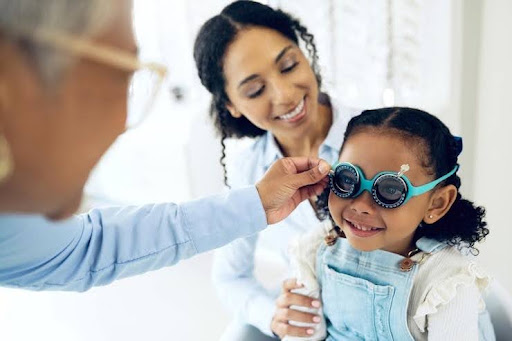
Finally, parents should ask how frequently follow-up visits should occur. Children with active myopia progression often benefit from closer monitoring than a standard annual eye exam schedule. Regular evaluations help track changes and ensure the child receives appropriate care for long-term eye health and vision needs through consistent monitoring and timely treatment decisions when needed.
Understanding the Goals of Myopia Management
The concern behind under-correction is understandable. Many parents want to protect their child’s vision and may worry that stronger glasses somehow make the eyes dependent on correction. However, glasses do not cause the eyes to become weaker or dependent. They simply help the child see clearly and comfortably. When a prescription increases, it usually reflects progression of myopia rather than a problem created by the glasses themselves.
The better question is why the myopia is progressing and what can be done to slow it. A myopia management evaluation looks at factors such as age, family history, prescription history, lifestyle habits, and risk level. This information allows the doctor to create a personalized treatment strategy that addresses long-term eye health instead of relying on outdated assumptions about blur.
Parents should also avoid changing a child’s glasses strategy without professional guidance. Allowing a child to wear weak glasses, skip correction, or continue using an outdated prescription may make everyday life more difficult and delay appropriate treatment. Accurate correction and myopia management can work together. The child should be able to see clearly while the doctor focuses on reducing future progression risk.
Regular eye examinations and proper monitoring play an important role in managing myopia effectively. With proven myopia management options and timely updates to glasses, parents can take proactive steps to support their child’s vision and long-term eye health while ensuring clear comfortable sight throughout daily activities and development. Professional guidance helps families make informed decisions about myopia progression and choose appropriate solutions for maintaining healthy vision and reducing future risks effectively.
Questions for the Eye Doctor
Ask whether your child’s current glasses fully correct their vision. This helps determine whether any blur is coming from an outdated prescription or another issue that requires attention. Clear vision is an important part of both learning and comfort, helping children stay focused, confident, and comfortable during school, sports, and daily activities.
Ask whether recent prescription changes suggest active myopia progression. Understanding the trend helps parents know whether additional monitoring or treatment may be needed. Recognizing the pattern is often more valuable than focusing on a single prescription change because it provides insight into future vision concerns.

Ask whether your child’s current glasses fully correct their vision. This helps determine whether any blur is coming from an outdated prescription or another issue that requires attention. Clear vision is an important part of both learning and comfort, helping children stay focused, confident, and comfortable during school, sports, and daily activities.
Ask whether recent prescription changes suggest active myopia progression. Understanding the trend helps parents know whether additional monitoring or treatment may be needed. Recognizing the pattern is often more valuable than focusing on a single prescription change because it provides insight into future vision concerns.
Finally, ask which myopia management options fit your child’s age, routine, and risk factors. If concerns arise between appointments, contact us so changes can be evaluated before they begin affecting school performance or daily activities. Early assessment supports effective myopia management and long-term eye health.
Choose Clarity and Myopia Control
If your child is squinting, struggling to see distant objects, or wearing glasses that may no longer provide adequate clarity, schedule an eye exam rather than guessing. Bring current and previous glasses, if available, along with any prescription records. These details help the doctor compare changes and determine whether undercorrection and myopia progression may be contributing to the problem. Early evaluation can help identify concerns and ensure appropriate vision correction.
Kleinwood Vision can evaluate your child myopia glasses prescription and explain whether updated correction, myopia management for kids, or adjustments to an existing treatment plan may be appropriate. Through comprehensive eye exams and individualized care, the goal is to support clear vision today and healthier visual outcomes in the future. Regular monitoring helps protect long-term eye health and visual development.
Contact Info
Hours of Operation
Mon - Fri | 9:00 AM - 5:00 PM
Sat - Sun | Closed
Holiday Hours: We are closed for the following holidays: New Years Day, Memorial Day, Independence Day, Labor Day, Thanksgiving Day, Christmas Day
The information provided on this website is for general informational purposes only and does not constitute professional medical advice, diagnosis, or treatment. Always seek the guidance of a licensed eye care professional or qualified health provider with any questions you may have regarding a medical condition or vision concern. Results from eye care services may vary by individual.
© 2026 Kleinwood Vision. All rights Reserved.