
Myopia Management
Can Summer Break Change Myopia Progression in Kids?

FSDAVCFEBFEVSDDVFSD

FSDAVCFEBFEVSDDVFSD

FSDAVCFEBFEVSDDVFSD
Why Summer Routines Can Affect Eye Habits
Summer break often gives children more time outdoors, participate in activities, and enjoy a flexible schedule. However, these changes can disrupt routines that support healthy vision habits and myopia management. Sleep patterns may shift, screen time can increase, travel becomes common, and follow-up appointments may be delayed.
For children with myopia, these routine changes matter because treatment success depends on consistency. Summer break myopia progression is not guaranteed, but less structure can make healthy habits harder to maintain. Parents should focus on balance rather than strict schedules, helping children continue important visual habits and treatment routines throughout the season while supporting long-term eye health.
Summer break often gives children more time outdoors, participate in activities, and enjoy a flexible schedule. However, these changes can disrupt routines that support healthy vision habits and myopia management. Sleep patterns may shift, screen time can increase, travel becomes common, and follow-up appointments may be delayed.

For children with myopia, these routine changes matter because treatment success depends on consistency. Summer break myopia progression is not guaranteed, but less structure can make healthy habits harder to maintain. Parents should focus on balance rather than strict schedules, helping children continue important visual habits and treatment routines throughout the season while supporting long-term eye health.
Screen Time Often Changes During Summer
One of the biggest differences during summer vacation is how children use screens. Without regular school schedules, many children spend more time on tablets, phones, gaming systems, computers, and streaming platforms. While some screen use may be educational or social, long periods of uninterrupted close viewing can increase near-work demand, especially when devices are held very close to the face.
Parents do not need to eliminate screens completely to support kids eye health summer break goals. A more practical approach is setting reasonable boundaries that prevent hours of continuous near focus. Scheduled breaks, outdoor play periods, screen-free meals, and limits on bedtime device use can help create a healthier balance between screen activities and other parts of the day.
Summer is also an excellent opportunity to observe how children interact with devices. Do they consistently bring screens close to their eyes? Do they complain about headaches or tired eyes after gaming sessions? Do they seem reluctant to participate in distance-focused activities after prolonged screen use? These observations can help parents determine whether a Comprehensive eye exam or myopia follow-up may be beneficial before school starts again.
Outdoor Time Can Help Balance the Season

Summer naturally creates more opportunities for outdoor activities such as sports, camps, swimming, walking, biking, playground visits, and family outings. Outdoor time is one of the most valuable lifestyle habits for children at risk of developing or progressing myopia. Spending time outside also reduces hours spent on continuous close-up tasks.
Parents can support myopia management summer routines by making outdoor activities part of everyday life instead of occasional events. Morning walks, recreational sports, backyard play, or community activities can create a healthier balance between near work and distance viewing.
The goal is not perfection but maintaining balance so screens and reading do not dominate the summer schedule. These habits can support children’s visual comfort and overall eye health while following long-term myopia management goals. Parents can also encourage consistent routines that help protect healthy vision throughout the summer months ahead.
Families should also consider which outdoor activities their child genuinely enjoys. Some children thrive in organized sports, while others prefer nature walks, bike rides, gardening, playground visits, or casual neighborhood activities. Building routines around activities the child enjoys usually produces more lasting success than forcing outdoor time that feels like a chore.
For children already participating in myopia management, outdoor time should complement treatment rather than replace it. A child using orthokeratology lenses, atropine drops, myopia-control glasses, or multifocal contact lenses should continue following the prescribed plan. Healthy summer habits support treatment effectiveness, but they do not substitute for the treatment itself. Parents can help maintain consistent routines by balancing outdoor activities with proper screen habits and daily care schedules. These simple choices can encourage healthier vision habits while supporting long-term myopia management goals throughout the summer season and beyond. Consistent support from families can make treatment routines easier to follow and help children develop positive eye health habits too.
Treatment Consistency Can Slip During Breaks
One of the biggest challenges during summer is maintaining myopia treatment consistency. Children often stay up later, sleep in longer, attend camps, travel with family, visit relatives, or spend nights away from home. These schedule changes can lead to missed ortho-k wear, skipped atropine drops, forgotten glasses, or inconsistent contact lens use that may interfere with treatment goals.
Parents can reduce many of these disruptions by planning ahead. Keep treatment supplies organized before vacations, pack extra lens care products, bring backup glasses, and establish reminders for nightly routines. If a child will be attending camp or staying with relatives, ensure the supervising adult understands the treatment schedule. Small preparations can help preserve consistency even when normal routines are temporarily interrupted.
Do Not Delay Follow-Up Too Long
Summer often provides one of the most convenient opportunities to schedule a myopia follow-up appointment. With children out of school and family schedules more flexible, appointments may be easier to coordinate before the busy back-to-school season arrives.
Delaying care for several months can make it harder to identify prescription changes early. If vision has shifted during the year, families may not notice until school resumes and classroom tasks become more challenging for children.
Summer often provides one of the most convenient opportunities to schedule a myopia follow-up appointment. With children out of school and family schedules more flexible, appointments may be easier to coordinate before the busy back-to-school season arrives.
Delaying care for several months can make it harder to identify prescription changes early. If vision has shifted during the year, families may not notice until school resumes and classroom tasks become more challenging for children.
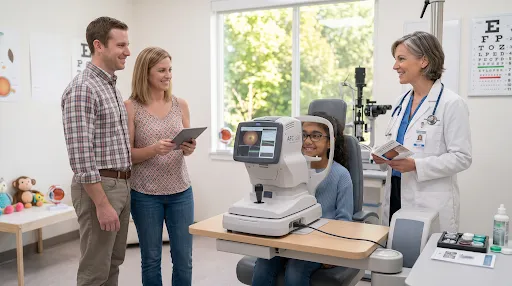
A summer evaluation can help determine whether treatment is working as expected, whether the prescription remains appropriate, and whether any adjustments should be made before the next academic year begins. Regular monitoring supports effective myopia management and helps families stay informed about their child’s changing vision needs throughout the year.
Use Summer Changes as Useful Information
Summer often reveals visual habits that are less noticeable during the school year. Some children spend significantly more time gaming, watching videos, or using tablets, while others become much more active outdoors. These seasonal changes can provide valuable insight into how different activities influence comfort, vision, and daily visual behavior. Parents can use this time to observe patterns and understand which routines support healthier habits.
Parents should watch for signs such as squinting, sitting closer to the television, holding devices unusually close, avoiding distance activities, rubbing the eyes frequently, or reporting blurry distance vision. It is also important to monitor whether prescribed treatment is being used consistently. If a child regularly avoids glasses, contact lenses, drops, or other parts of the treatment plan, there may be an underlying issue that deserves attention and discussion with the eye doctor.
Summer can serve as a useful reset period for families. Rather than waiting until school resumes and vision concerns become more noticeable, parents can use the break to strengthen healthy habits, organize supplies, schedule follow-ups, and improve screen-use routines. These efforts can make the transition back to school smoother while supporting consistent myopia management.
A balanced summer schedule can help children maintain positive visual behaviors throughout the year. Encouraging outdoor activities, managing screen time, and following treatment recommendations create a supportive environment for better eye health. For children with myopia, summer is an opportunity to review routines, address challenges, and continue building habits that support clearer and more comfortable vision as they grow.
Summer Warning Signs Parents Should Watch
Parents should pay attention to new complaints about blurry distance vision, especially when children are looking at signs, sports activities, television screens, or objects across a room. These symptoms may indicate that a prescription change has occurred since the last evaluation and may require further attention from an eye doctor.
It is also important to monitor screen habits. Children who spend long periods using devices without breaks or consistently hold screens very close to their face may increase near-work demand during a time when routines are already changing.
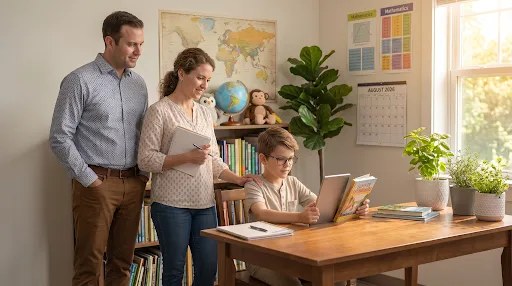
Parents should pay attention to new complaints about blurry distance vision, especially when children are looking at signs, sports activities, television screens, or objects across a room. These symptoms may indicate that a prescription change has occurred since the last evaluation and may require further attention from an eye doctor.
It is also important to monitor screen habits. Children who spend long periods using devices without breaks or consistently hold screens very close to their face may increase near-work demand during a time when routines are already changing.
Finally, parents should watch for missed treatment. Repeated skipped drops, missed ortho-k nights, inconsistent lens wear, or forgotten glasses can reduce myopia treatment consistency and make it harder to determine whether the current myopia management plan is working effectively. Maintaining regular habits supports better treatment outcomes and helps children achieve healthier visual routines with improved long-term care.
Make Summer a Myopia Reset
Summer break offers families a valuable opportunity to review their child's vision habits before the school year becomes busy again. Parents can establish healthier screen boundaries, encourage consistent outdoor activities, organize treatment supplies, and schedule overdue appointments. These simple steps help prevent myopia management from becoming inconsistent during a more relaxed season while supporting better visual habits.
If your child's summer routine has changed significantly or you are concerned about summer break myopia progression, Kleinwood Vision can help evaluate vision changes, treatment consistency, and next steps. A summer Comprehensive Eye Exam can provide reassurance, identify concerns early, and help your child return to school with a stronger routine and clearer vision. Contact us today to schedule an appointment and support your child's long-term eye health with personalized guidance and effective care strategies for maintaining healthy vision habits throughout the year.
Contact Info
Hours of Operation
Mon - Fri | 9:00 AM - 5:00 PM
Sat - Sun | Closed
Holiday Hours: We are closed for the following holidays: New Years Day, Memorial Day, Independence Day, Labor Day, Thanksgiving Day, Christmas Day
The information provided on this website is for general informational purposes only and does not constitute professional medical advice, diagnosis, or treatment. Always seek the guidance of a licensed eye care professional or qualified health provider with any questions you may have regarding a medical condition or vision concern. Results from eye care services may vary by individual.
© 2026 Kleinwood Vision. All rights Reserved.