
Specialty Contact Lenses
Specialty Contact Lenses After LASIK

FSDAVCFEBFEVSDDVFSD

FSDAVCFEBFEVSDDVFSD

FSDAVCFEBFEVSDDVFSD
Why LASIK Does Not Prevent Every Future Problem
LASIK improves vision for many patients, but some people later experience blur, dryness, glare, or reduced sharpness that glasses do not fully correct. Others feel their vision never becomes as stable or comfortable as expected, especially during screen use or night driving situations.
Specialty contact lenses after LASIK may help improve these symptoms. A specialty contact lens exam Houston patients schedule can identify whether the problem involves residual prescription, tear-film instability, or an irregular cornea after surgery. Understanding contact lenses after LASIK problems helps patients explore practical solutions instead of assuming nothing more can improve long-term visual comfort, stability, or overall clarity after LASIK outcomes change over time.
LASIK improves vision for many patients, but some people later experience blur, dryness, glare, or reduced sharpness that glasses do not fully correct. Others feel their vision never becomes as stable or comfortable as expected, especially during screen use or night driving situations.
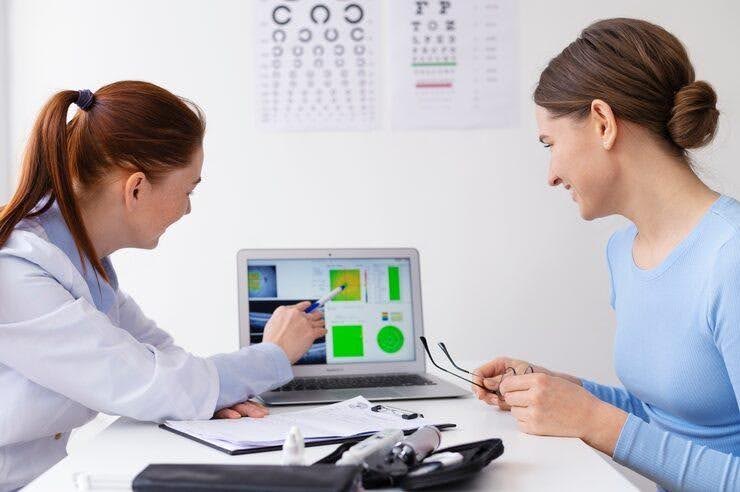
Specialty contact lenses after LASIK may help improve these symptoms. A specialty contact lens exam Houston patients schedule can identify whether the problem involves residual prescription, tear-film instability, or an irregular cornea after surgery. Understanding contact lenses after LASIK problems helps patients explore practical solutions instead of assuming nothing more can improve long-term visual comfort, stability, or overall clarity after LASIK outcomes change over time.
What Problems Can Show Up After LASIK
One common issue after LASIK involves residual or changing prescription. Some patients later notice blur, reduced sharpness, or worsening night-driving vision even after initially successful surgery. In some cases, the prescription alone is not the only problem because the corneal shape may become irregular enough that standard glasses or soft lenses no longer provide clear, crisp vision.
Dry eye symptoms also play a major role in post-LASIK vision problems. When the tear film becomes unstable, vision may fluctuate throughout the day, especially during screen use, long work hours, or reduced blinking. Patients often describe glare, halos, inconsistent focus, or vision that changes depending on lighting conditions, eye fatigue, or prolonged concentration during daily activities.
More complex cases involve irregular cornea after LASIK changes, decentered treatment areas, or ectasia that disrupt smooth visual optics. These conditions may cause ghosting, distortion, unstable focus, or severe glare that ordinary correction cannot fully improve. A specialty contact lens exam Houston specialists perform can help determine whether symptoms are related to tear film issues, residual prescription, or corneal irregularity requiring custom contact lenses after LASIK for clearer and more functional vision.
Why Standard Correction May Fall Short
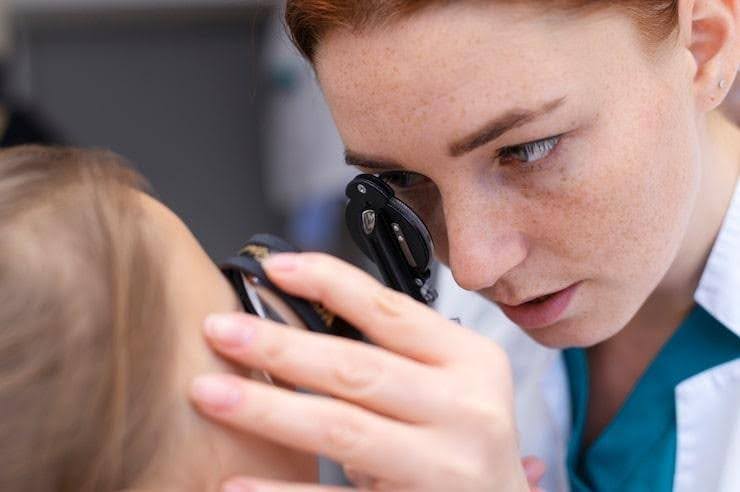
Glasses and ordinary soft contact lenses work best when the corneal surface remains smooth and stable. After LASIK, some eyes continue responding well to standard correction, while others develop irregular optics that ordinary lenses cannot fully correct. Soft lenses may drape over the irregular corneal surface instead of neutralizing it, and glasses can only compensate for limited amounts of distortion occurring directly at the cornea during visual processing.
This is why many patients become frustrated when repeated glasses updates or standard contact lens trials fail to improve clarity. The issue may involve more than prescription power alone.
Some eyes require specialty contact lenses after LASIK that create a smoother optical surface and provide a more customized fit.Custom contact lenses after LASIK are often worth discussing when symptoms remain clearly visual but ordinary correction continues underperforming despite multiple adjustments or replacement attempts over time.
Patients sometimes feel disappointed or embarrassed about needing lenses again after surgery because they assume it means LASIK failed completely. However, needing contact lenses after LASIK problems develop does not mean the procedure was unsuccessful. Specialty lenses simply represent another form of visual rehabilitation designed to improve the way the current eye functions and processes visual information comfortably throughout everyday activities and demanding lighting conditions.
The important question is not whether the eye previously had surgery. The real question is what type of correction best matches the eye today. Some post-LASIK patients benefit from custom soft lenses, while others achieve better stability and clarity with rigid, hybrid, or scleral lens designs depending on the corneal shape and visual symptoms present. A targeted evaluation helps identify which lens option actually addresses the underlying problem rather than assuming all post-LASIK vision problems should be managed exactly the same way for every patient individually.
Which Specialty Lenses May Help Most
The best lens type depends entirely on why vision remains limited after surgery. Patients with mild residual prescription needs and relatively regular corneas may respond well to custom soft lenses. Those with irregular cornea after LASIK changes often benefit more from rigid, hybrid, or scleral lenses that create a smoother refractive surface over the eye and improve image stability significantly during daily visual activities.
This is why specialty fitting remains highly individualized. The doctor is not simply recommending a more advanced lens for convenience. The lens must match the post-surgical corneal shape, tear-film behavior, and specific visual complaint affecting the patient. Specialty contact lenses after LASIK can often restore sharper, more stable vision when glasses and standard soft contacts have already reached their practical limitations for correction and long-term comfort during demanding daily visual tasks overall.
Why a Post-LASIK Exam Matters
Post-LASIK visual complaints deserve proper evaluation because symptoms like blur, glare, dryness, and distortion often overlap. Many patients struggle to identify what is actually causing their vision problems during daily activities, screen use, or low-light conditions after surgery.
A specialty contact lens exam Houston providers perform can help determine whether symptoms are related to surface dryness, prescription changes, or corneal irregularity. Identifying the main cause helps guide the most effective lens recommendation and reduces frustration from repeated unsuccessful correction attempts over time.
Post-LASIK visual complaints deserve proper evaluation because symptoms like blur, glare, dryness, and distortion often overlap. Many patients struggle to identify what is actually causing their vision problems during daily activities, screen use, or low-light conditions after surgery.
A specialty contact lens exam Houston providers perform can help determine whether symptoms are related to surface dryness, prescription changes, or corneal irregularity. Identifying the main cause helps guide the most effective lens recommendation and reduces frustration from repeated unsuccessful correction attempts over time.
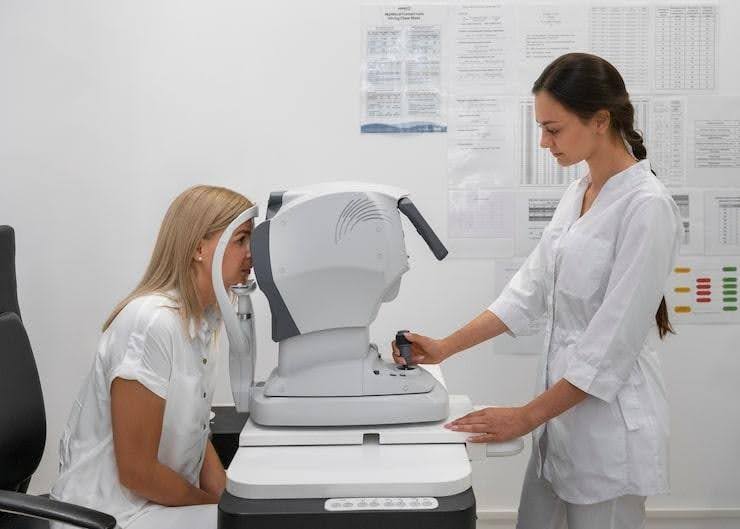
Many patients spend too long retrying ordinary glasses or standard soft contact lenses before realizing they may need a more customized solution. Earlier evaluation can provide a clearer path toward more comfortable, stable, and functional long-term vision correction after LASIK-related changes begin affecting overall visual quality.
Why Specialty Lenses Can Restore Comfort
Specialty contact lenses after LASIK can become extremely valuable when the eye’s current optics no longer provide the comfort or clarity patients expected after surgery. Many people assume LASIK permanently ends the need for vision correction, so developing post-LASIK vision problems later can feel confusing and discouraging. However, surgery does not prevent future prescription drift, tear-film instability, or corneal surface changes that affect how vision functions over time.
A specialty contact lens exam Houston patients receive focuses on identifying exactly which visual limitation is reducing performance. In some cases, custom contact lenses after LASIK create dramatically sharper vision because they smooth out irregular optics more effectively than glasses can. Other patients notice greater comfort, reduced glare, or more stable focus throughout the day because the lens improves both visual quality and surface stability simultaneously during demanding activities.
Patients with irregular cornea after LASIK changes often discover that scleral or hybrid lenses provide more predictable vision than standard soft contacts ever could. These lenses are designed around the specific shape and needs of the post-surgical eye rather than relying on generalized correction methods that may not address the actual problem fully. Matching the lens design to the corneal condition usually produces far better functional outcomes and visual consistency overall during both daytime and night time tasks.
Even when symptoms seem complicated, the right specialty lens approach can often improve daily function significantly. Whether the goal is reducing glare, improving night driving, stabilizing fluctuating focus, or restoring comfort during screen use, specialized correction allows treatment to become more precise and personalized instead of repeatedly relying on correction methods that no longer match the eye properly after surgery and ongoing visual changes over time.
Questions to Ask at the Evaluation
Ask whether your symptoms are more related to dryness, residual prescription changes, or irregular corneal optics after LASIK surgery. Understanding the main cause helps clarify which type of specialty contact lenses after LASIK may provide the most meaningful improvement for visual clarity and daily comfort.
It is also helpful to ask whether glasses or standard soft contact lenses are realistically capable of correcting the issue you are experiencing. Understanding the limitations of ordinary correction can make it easier to accept why custom contact lenses after LASIK may be a more effective option for clearer and more stable vision throughout the day.
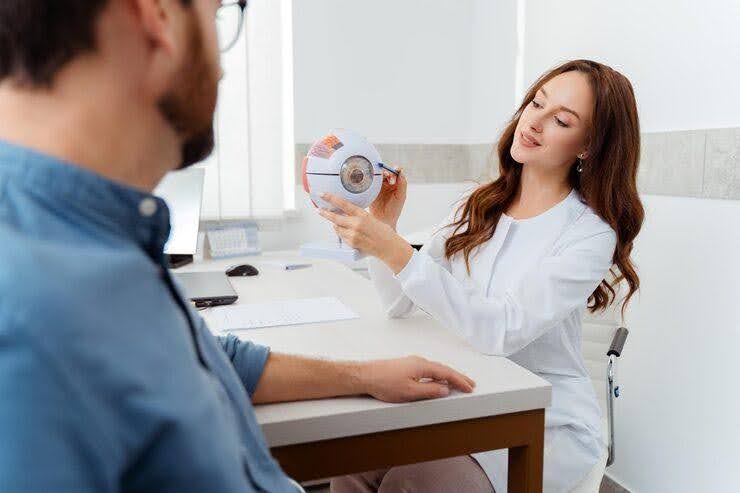
Ask whether your symptoms are more related to dryness, residual prescription changes, or irregular corneal optics after LASIK surgery. Understanding the main cause helps clarify which type of specialty contact lenses after LASIK may provide the most meaningful improvement for visual clarity and daily comfort.
It is also helpful to ask whether glasses or standard soft contact lenses are realistically capable of correcting the issue you are experiencing. Understanding the limitations of ordinary correction can make it easier to accept why custom contact lenses after LASIK may be a more effective option for clearer and more stable vision throughout the day.
Finally, ask which specialty lens category appears most suitable for your specific eye condition and what level of improvement can realistically be expected. Clear expectations help the fitting process feel more practical and reassuring for patients frustrated by ongoing post-LASIK vision problems and inconsistent visual comfort over time.
Your Next Steps Before Your Visit
Before your appointment, think carefully about what feels wrong with your vision after LASIK. Notice whether the biggest issue involves glare, blur, fluctuating focus, ghosting, dryness, or difficulty driving at night. Bring your current glasses and any previous surgery records if available. These details help your optometrist determine whether the problem is primarily optical, surface-related, or connected to irregular corneal changes affecting vision quality and long-term comfort.
If post-LASIK vision still does not feel as clear or comfortable as you expected, Kleinwood Vision can provide a specialty contact lens exam Houston patients trust for more customized visual rehabilitation. Whether you need custom contact lenses after LASIK, evaluation for irregular cornea after LASIK concerns, or clearer answers about ongoing symptoms, the right fitting approach can improve daily function significantly. Ready to explore better visual comfort and stability? Contact us to schedule your evaluation today.
Contact Info
Hours of Operation
Mon - Fri | 9:00 AM - 5:00 PM
Sat - Sun | Closed
Holiday Hours: We are closed for the following holidays: New Years Day, Memorial Day, Independence Day, Labor Day, Thanksgiving Day, Christmas Day
The information provided on this website is for general informational purposes only and does not constitute professional medical advice, diagnosis, or treatment. Always seek the guidance of a licensed eye care professional or qualified health provider with any questions you may have regarding a medical condition or vision concern. Results from eye care services may vary by individual.
© 2026 Kleinwood Vision. All rights Reserved.