
NeuroLens
Can Normal Tests Miss Vision Problems?

FSDAVCFEBFEVSDDVFSD
FSDAVCFEBFEVSDDVFSD

FSDAVCFEBFEVSDDVFSD
Why Normal Results Can Still Feel Frustrating
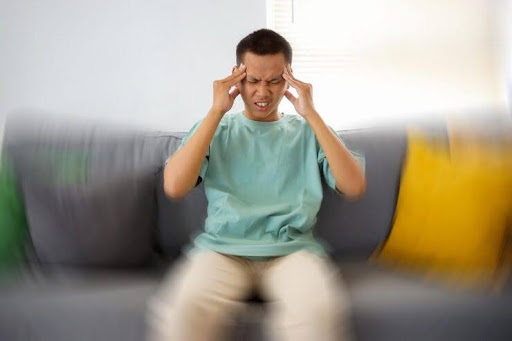
Many patients experiencing headaches, dizziness, nausea, eye strain, or fatigue undergo medical testing and are told the results are normal. While these findings are reassuring because they help rule out serious health concerns, they do not always explain why symptoms continue. Persistent discomfort can be frustrating when everyday activities remain difficult despite normal test results.
Normal medical tests do not always evaluate how the eyes work together during everyday visual activities. In some cases, binocular vision strain may contribute to ongoing symptoms. NeuroLens screening can help assess this visual component and provide additional information during a comprehensive eye exam, helping identify issues that routine medical testing may not detect.
Many patients experiencing headaches, dizziness, nausea, eye strain, or fatigue undergo medical testing and are told the results are normal. While these findings are reassuring because they help rule out serious health concerns, they do not always explain why symptoms continue. Persistent discomfort can be frustrating when everyday activities remain difficult despite normal test results.
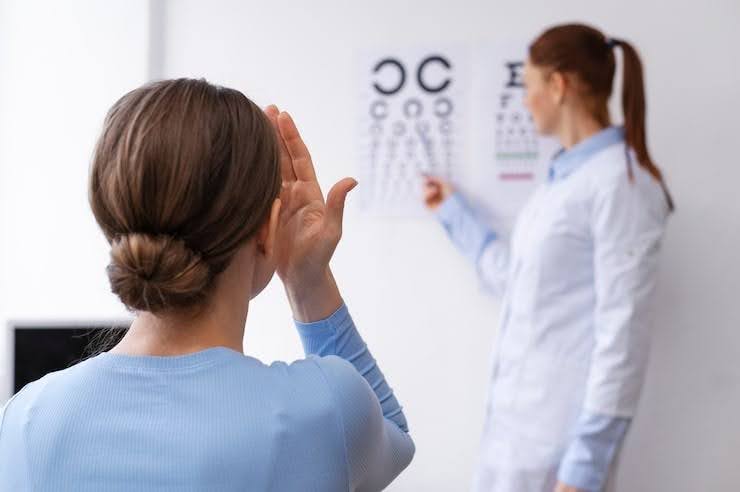
Normal medical tests do not always evaluate how the eyes work together during everyday visual activities. In some cases, binocular vision strain may contribute to ongoing symptoms. NeuroLens screening can help assess this visual component and provide additional information during a comprehensive eye exam, helping identify issues that routine medical testing may not detect.
Where Vision Fits into the Symptom Workup
Vision plays a major role in balance, focus, posture, reading, screen use, and spatial awareness. When both eyes work together efficiently, the brain receives stable visual information that supports comfortable daily function. However, when the eyes are slightly misaligned, the visual system may work harder to maintain single, clear vision. Over time, this extra effort may contribute to headaches, eye pressure, dizziness in busy environments, motion sensitivity, neck tension, screen fatigue, difficulty reading, or feeling visually overwhelmed.
Because these symptoms overlap with many medical conditions, patients often begin their journey with primary care providers, neurologists, ENT specialists, vestibular therapists, or other healthcare professionals. Medical evaluations help rule out serious health concerns, but they do not always assess how the eyes work together during everyday visual tasks.
NeuroLens screening does not replace medical evaluations or specialist care. Instead, it may fit into the workup after serious medical concerns have been addressed, especially when symptoms continue despite normal findings. During a comprehensive eye exam, it provides a closer look at binocular alignment and visual function, helping determine whether binocular vision issues may be contributing to persistent discomfort.
Symptoms That May Suggest a Visual Contributor

A visual contributor may become more likely when symptoms are triggered by reading, computer work, phone scrolling, driving, grocery shopping, crowded environments, or visually busy spaces. Patients often notice discomfort increases after prolonged near work or while navigating areas with bright lights, movement, shelves, patterns, or rapidly changing visual information.
Other signs may include headaches behind the eyes, eye pressure, shoulder or neck tension, blurred focus, trouble concentrating...
dizziness that improves after resting the eyes, or unusual fatigue following screen-heavy tasks. These symptoms do not prove that vision is the only cause, but they may indicate that a binocular vision evaluation deserves consideration. A comprehensive assessment can help determine whether binocular vision issues are contributing to persistent symptoms and support informed decisions about next steps in personalized eye care and visual health management for patients experiencing ongoing daily visual challenges.
Patients should provide a detailed symptom history during their eye examination, especially if previous medical testing has produced normal results. Explaining which evaluations have already been completed, which symptoms remain, and what environments make them worse helps the eye doctor understand how NeuroLens screening may fit into the broader picture. At Kleinwood Vision, this information supports a more complete approach to evaluating visual factors that may contribute to ongoing discomfort.
It is also useful to discuss treatments already attempted, including updated glasses, migraine management, vestibular therapy, allergy treatment, dry-eye care, posture adjustments, and screen modifications. These approaches can provide valuable clues about persistent symptoms and daily triggers. If symptoms continue despite these efforts, binocular vision strain may deserve a closer look through a comprehensive evaluation. Understanding the full history helps guide appropriate next steps for patients experiencing ongoing visual challenges.
What NeuroLens Screening Reveals About Vision
NeuroLens screening measures eye alignment at multiple viewing distances. These measurements can reveal subtle alignment differences that may not be obvious during a routine prescription check. When the eyes are slightly misaligned, the brain may use additional effort to maintain comfortable and single vision throughout the day, which can contribute to visual discomfort and fatigue for some patients.
One of the primary benefits of NeuroLens screening is that it provides measurable data. The doctor can compare these results with the patient’s symptoms and visual demands. If the findings align with the symptom pattern, NeuroLens may become part of the treatment discussion. If they do not align, the screening still provides valuable information by helping determine whether binocular vision strain is a primary contributor. This supports a more informed approach to comprehensive eye care.
Why Medical Care Still Matters
Headaches, dizziness, nausea, fatigue, and visual discomfort can result from many different causes. A medical evaluation remains important, especially when symptoms are severe, worsening, unusual, or newly developed. A comprehensive healthcare approach helps ensure significant medical conditions are not overlooked.
Patients should seek immediate medical attention for symptoms such as sudden weakness, fainting, confusion, chest pain, severe headache, vision loss, neurological changes, or sudden double vision. These situations require prompt medical assessment beyond an eye examination and should not be delayed.
Headaches, dizziness, nausea, fatigue, and visual discomfort can result from many different causes. A medical evaluation remains important, especially when symptoms are severe, worsening, unusual, or newly developed. A comprehensive healthcare approach helps ensure significant medical conditions are not overlooked.
Patients should seek immediate medical attention for symptoms such as sudden weakness, fainting, confusion, chest pain, severe headache, vision loss, neurological changes, or sudden double vision. These situations require prompt medical assessment beyond an eye examination and should not be delayed.
NeuroLens screening should be viewed as one part of a larger diagnostic process. It can provide valuable information about visual function and binocular vision, but it is not intended to replace appropriate medical testing, specialist referrals, or ongoing healthcare management.
How Eye Alignment Testing Helps
A normal medical test result can be both reassuring and incomplete. While it often confirms that a dangerous condition was not identified, it may not fully explain why symptoms continue during reading, driving, screen use, or visually complex activities. When discomfort continues despite normal findings, additional vision testing may become valuable to explore whether visual factors are contributing to the overall experience.
Many people assume comprehensive eye exams only determine whether glasses are needed. In reality, eye care evaluations can also examine focusing ability, eye teaming, dry eye concerns, lens performance, and how symptoms relate to real-world visual tasks. NeuroLens screening adds specific information about eye alignment at different viewing distances, which may help identify subtle visual factors that are not always detected during routine prescription checks.
The goal is not to assume every unexplained symptom comes from the eyes. Instead, the objective is to evaluate whether vision could be contributing to the overall picture. When NeuroLens measurements correspond with the patient’s symptoms, the doctor can discuss whether contoured prism lenses may help reduce binocular vision strain and support more comfortable visual function during daily activities.
Even when the screening does not identify eye alignment problems missed elsewhere, the information still has value. Ruling out a visual contributor can help patients and providers focus attention on other possible causes while moving forward with greater confidence and clarity. NeuroLens screening is one component of a broader diagnostic process that supports informed decisions about eye care, visual function, and personalized treatment options.
Questions to Ask About the Workup
Ask whether your symptoms appear to follow a visual pattern. Headaches, dizziness, or fatigue that consistently occur during screens, reading, driving, or visually busy environments may suggest that binocular vision testing could be a helpful part of the overall evaluation. Identifying these patterns can provide important information about how visual demands affect daily comfort and function.
Ask what the NeuroLens screening measurements reveal and whether they match your real-life symptom triggers. Understanding how the results connect with your daily experiences helps determine whether binocular vision strain may be contributing to persistent discomfort and visual challenges.

Ask whether your symptoms appear to follow a visual pattern. Headaches, dizziness, or fatigue that consistently occur during screens, reading, driving, or visually busy environments may suggest that binocular vision testing could be a helpful part of the overall evaluation. Identifying these patterns can provide important information about how visual demands affect daily comfort and function.
Ask what the NeuroLens screening measurements reveal and whether they match your real-life symptom triggers. Understanding how the results connect with your daily experiences helps determine whether binocular vision strain may be contributing to persistent discomfort and visual challenges.
Finally, ask what additional causes should remain under consideration. A balanced plan may include ongoing medical care, migraine management, vestibular therapy, dry-eye treatment, updated vision correction, or further testing. A comprehensive approach helps evaluate all possible factors affecting your symptoms while supporting informed decisions about next steps for your overall eye health and visual comfort.
Add Vision Testing to the Bigger Picture
If your medical tests are normal but you continue experiencing headaches, dizziness, nausea, eye pressure, or visual fatigue, pay close attention to when symptoms occur. Keep track of whether reading, driving, screen use, shopping, crowds, or scrolling activities make symptoms worse. Bringing this information to your appointment can help guide a more productive evaluation and help your eye doctor understand your daily visual demands.
At Kleinwood Vision, comprehensive eye exams and NeuroLens screening can help determine whether binocular vision strain may be contributing to symptoms that have not been fully explained elsewhere. If you continue searching for answers, contact us to schedule an appointment and learn whether a targeted eye alignment evaluation may provide useful insight. Understanding your visual function can support a more personalized approach to managing ongoing discomfort and improving daily visual comfort.
Contact Info
Hours of Operation
Mon - Fri | 9:00 AM - 5:00 PM
Sat - Sun | Closed
Holiday Hours: We are closed for the following holidays: New Years Day, Memorial Day, Independence Day, Labor Day, Thanksgiving Day, Christmas Day
The information provided on this website is for general informational purposes only and does not constitute professional medical advice, diagnosis, or treatment. Always seek the guidance of a licensed eye care professional or qualified health provider with any questions you may have regarding a medical condition or vision concern. Results from eye care services may vary by individual.
© 2026 Kleinwood Vision. All rights Reserved.