NeuroLens
Can NeuroLens Help with Visual Dizziness Symptoms?

FSDAVCFEBFEVSDDVFSD
FSDAVCFEBFEVSDDVFSD

FSDAVCFEBFEVSDDVFSD
Why Busy Spaces Can Trigger Visual Discomfort
Some people feel completely comfortable in quiet environments but become uneasy when they enter grocery stores, shopping malls, airports, large retail centers, or crowded public spaces. Bright lighting, moving people, long aisles, visual patterns, and constant motion can create dizziness, visual overwhelm, eye strain, or mild imbalance. Many patients describe feeling disoriented despite otherwise feeling healthy.
Not every case of dizziness originates from the eyes, and many medical conditions can contribute to similar symptoms. However, binocular vision strain may sometimes play a role when the eyes work harder to stay aligned. A NeuroLens screening can help determine whether eye alignment issues contribute to discomfort in visually demanding environments.
Some people feel completely comfortable in quiet environments but become uneasy when they enter grocery stores, shopping malls, airports, large retail centers, or crowded public spaces. Bright lighting, moving people, long aisles, visual patterns, and constant motion can create dizziness, visual overwhelm, eye strain, or mild imbalance. Many patients describe feeling disoriented despite otherwise feeling healthy.

Not every case of dizziness originates from the eyes, and many medical conditions can contribute to similar symptoms. However, binocular vision strain may sometimes play a role when the eyes work harder to stay aligned. A NeuroLens screening can help determine whether eye alignment issues contribute to discomfort in visually demanding environments.
How Binocular Strain May Affect Balance Feelings
Binocular vision refers to the way both eyes work together to create a single, comfortable image. When the eyes are slightly misaligned, the brain may need to work continuously to keep vision clear and coordinated. In calm environments, this extra effort may go unnoticed. However, in visually complex settings, the demand on the visual system can increase significantly, making some everyday activities more challenging and visually exhausting.
Busy stores often combine bright lights, reflective floors, moving objects, crowded aisles, and frequent shifts between near and distant focus. For some individuals, these visual challenges can create a sense of overload. They may feel dizzy, off-balance, anxious, or mentally exhausted after spending only a short period in these environments, even when their glasses prescription appears correct. These symptoms may affect shopping, travel, work, and other daily tasks that require constant visual attention.
NeuroLens is designed to address specific types of binocular vision strain through contoured prism technology. Before determining whether NeuroLens may be appropriate, the doctor evaluates eye alignment measurements and compares them with the patient's symptoms. The goal is to identify whether the pattern of discomfort matches the type of visual strain that NeuroLens is intended to help relieve.
Symptoms That May Point to Visual Dizziness
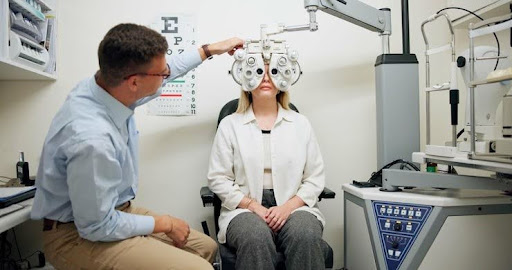
Patients experiencing visual dizziness crowded spaces often describe symptoms that become worse in visually demanding environments. These symptoms may include dizziness in busy stores, motion sensitivity, eye pressure, headaches, neck tension, difficulty focusing, fatigue, or a feeling of being overwhelmed. Some individuals even begin avoiding certain places because the symptoms become too frustrating and interfere with everyday activities, work, or travel.
The pattern of symptoms is important. If discomfort occurs mainly in crowded spaces, shopping centers, airports, or areas with significant visual stimulation but improves in quieter settings, binocular vision strain dizziness may deserve further investigation. While other medical causes should still be considered, a NeuroLens screening can be a useful part of the evaluation process. Identifying whether eye alignment contributes to symptoms helps guide appropriate treatment recommendations and supports more comfortable vision in visually demanding environments.
Patients should pay attention to where symptoms occur and what situations seem to trigger them. A brightly lit supermarket may feel more difficult than a calm office. Walking through crowds may be more challenging than sitting still. Looking down long aisles, scanning shelves, or shifting focus between near and distant objects can sometimes increase visual discomfort. Keeping track of these situations helps identify patterns that may otherwise go unnoticed during routine daily activities.
It is also helpful to notice whether symptoms improve after leaving the environment, resting, closing the eyes, or removing glasses. Some people experience a gradual buildup of symptoms, while others notice discomfort almost immediately. These details provide valuable information during a NeuroLens eye exam Houston evaluation because they help connect real-world experiences with clinical findings. Sharing specific examples with your doctor allows for a more thorough assessment, helping determine whether binocular vision strain or another condition may be contributing to dizziness, discomfort, and visual fatigue in busy environments.
What NeuroLens Screening Can Measure
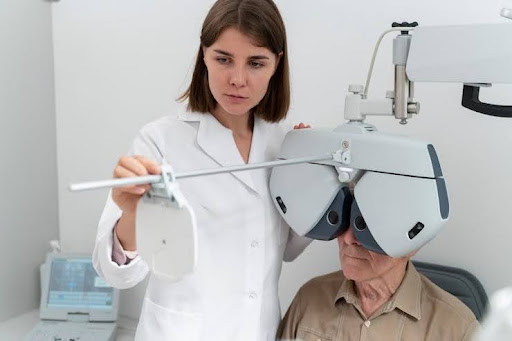
A NeuroLens screening measures how the eyes align and work together at different viewing distances. Some patients have small alignment issues that may not be obvious during a routine vision check but can still create significant visual effort throughout the day. These measurements help determine whether the eyes are functioning comfortably as a team and whether binocular vision strain may be contributing to symptoms.
The screening is combined with symptom discussion and a foundation of comprehensive eye exams. The doctor also evaluates whether other factors such as prescription changes, dry eye, migraines, vestibular concerns, medications, or neurological conditions may be contributing to symptoms. NeuroLens is most useful when both the measurements and patient history point toward binocular vision strain. This comprehensive approach helps guide appropriate treatment recommendations and supports more comfortable, stable vision during visually demanding daily activities.
Why Dizziness Needs Careful Evaluation
Dizziness can result from many different causes, including inner ear disorders, migraines, medication side effects, anxiety, blood pressure changes, neurological conditions, and visual strain. Because so many factors can contribute, a careful evaluation is essential before assuming a single explanation. Proper assessment helps identify the underlying cause and guide appropriate treatment.
A NeuroLens screening does not replace appropriate medical care. Instead, it helps determine whether binocular vision strain may be contributing to symptoms and whether visual treatment should be considered as part of an overall care plan. The screening is combined with a comprehensive eye examination and symptom review.
Dizziness can result from many different causes, including inner ear disorders, migraines, medication side effects, anxiety, blood pressure changes, neurological conditions, and visual strain. Because so many factors can contribute, a careful evaluation is essential before assuming a single explanation. Proper assessment helps identify the underlying cause and guide appropriate treatment.
A NeuroLens screening does not replace appropriate medical care. Instead, it helps determine whether binocular vision strain may be contributing to symptoms and whether visual treatment should be considered as part of an overall care plan. The screening is combined with a comprehensive eye examination and symptom review.
Patients experiencing sudden, severe, or unexplained dizziness, especially with weakness, chest pain, fainting, double vision, or neurological symptoms, should seek immediate medical attention rather than waiting for a routine eye examination.
Understanding Visual Overwhelm in Crowds
Many patients are told their eyes are healthy yet still struggle with discomfort in visually busy environments. In these situations, the issue may not involve seeing clearly with each eye individually. Instead, the challenge may involve how the eyes work together under demanding visual conditions. This is one reason NeuroLens dizziness evaluations have gained attention among patients experiencing unexplained visual discomfort. Identifying binocular vision issues can provide valuable insight into symptoms that otherwise seem difficult to explain.
Crowded environments place a significant workload on the visual system. The brain must process movement, depth perception, changing lighting conditions, patterns, and constant shifts in attention. If the eyes are already working harder than normal to maintain alignment, this additional demand may amplify symptoms. As visual complexity increases, maintaining comfortable, stable vision may require greater effort throughout the day.
Patients often describe leaving stores, airports, or large events feeling mentally exhausted, tense, nauseated, or visually overwhelmed. These symptoms may not appear immediately but can develop gradually as visual demand increases. Understanding this connection helps explain why certain environments feel more challenging than others. Recognizing symptom patterns also helps doctors better understand how visual stress affects daily activities.
The purpose of a NeuroLens screening is not simply to prescribe a lens. The goal is to determine whether measurable eye alignment issues correspond with the patient's real-world symptoms. When the findings and symptoms match, the doctor can discuss whether NeuroLens technology may help reduce visual strain and improve comfort in busy environments. A comprehensive evaluation ensures treatment recommendations are based on both clinical measurements and individual experiences.
Questions to Ask About Visual Dizziness
Ask whether your symptoms appear consistent with binocular vision strain or whether another explanation may be more likely. Understanding the potential cause helps create realistic expectations and ensures that important medical concerns are not overlooked. This discussion also helps determine whether additional medical evaluation may be appropriate before considering treatment options.
You should also ask what the NeuroLens measurements reveal and whether those findings correspond with the situations that trigger your symptoms. The relationship between objective measurements and real-life experiences is an important part of determining whether NeuroLens may be beneficial. Sharing detailed examples of your symptoms helps your doctor make a more accurate assessment.
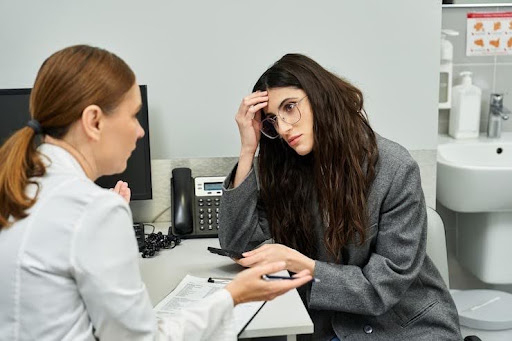
Ask whether your symptoms appear consistent with binocular vision strain or whether another explanation may be more likely. Understanding the potential cause helps create realistic expectations and ensures that important medical concerns are not overlooked. This discussion also helps determine whether additional medical evaluation may be appropriate before considering treatment options.
You should also ask what the NeuroLens measurements reveal and whether those findings correspond with the situations that trigger your symptoms. The relationship between objective measurements and real-life experiences is an important part of determining whether NeuroLens may be beneficial. Sharing detailed examples of your symptoms helps your doctor make a more accurate assessment.
Finally, ask what improvement might realistically look like if NeuroLens is recommended. Some patients experience reduced headaches, less visual overwhelm, improved comfort while shopping, or better tolerance in crowded environments. Understanding these treatment goals helps patients evaluate progress and set realistic expectations over time.
When to Schedule a NeuroLens Evaluation
If busy stores, crowded spaces, bright lighting, or visually cluttered environments regularly leave you feeling dizzy, uncomfortable, or overwhelmed, it may be time to schedule an evaluation. Bring notes about where symptoms occur, how long they last, whether glasses help, and whether you experience headaches, neck tension, eye strain, or screen-related fatigue. If you have questions before your visit, you can contact us to learn more about the testing process and what to expect during your appointment.
Kleinwood Vision provides NeuroLens screening as part of a comprehensive approach to understanding visual discomfort. By evaluating eye alignment, visual function, and symptom patterns, the team can determine whether binocular vision strain may be contributing to your symptoms and whether NeuroLens may be an appropriate next step toward greater comfort, improved visual stability, and better performance in visually demanding environments.
Contact Info
Hours of Operation
Mon - Fri | 9:00 AM - 5:00 PM
Sat - Sun | Closed
Holiday Hours: We are closed for the following holidays: New Years Day, Memorial Day, Independence Day, Labor Day, Thanksgiving Day, Christmas Day
The information provided on this website is for general informational purposes only and does not constitute professional medical advice, diagnosis, or treatment. Always seek the guidance of a licensed eye care professional or qualified health provider with any questions you may have regarding a medical condition or vision concern. Results from eye care services may vary by individual.
© 2026 Kleinwood Vision. All rights Reserved.