
Specialty Contact Lenses
Medications and Contact Lens Comfort: Understanding Dry-Eye Effects

FSDAVCFEBFEVSDDVFSD

FSDAVCFEBFEVSDDVFSD

FSDAVCFEBFEVSDDVFSD
Why Medications Can Change Lens Comfort
Contact lens comfort depends heavily on the tear film. When tears remain stable and healthy, contact lenses feel smooth and comfortable throughout the day. The tear layer reduces friction, supports clear vision, and protects the eye surface. Even with the correct contact lens prescription, changes in tear quality can affect how lenses feel during daily wear.
Certain medications can influence tear production or alter moisture balance on the eye’s surface. Patients may experience contact lens dryness, irritation, or fluctuating comfort without knowing the cause. Many assume their lenses are unsuitable, when the issue may be medication dry eye symptoms affecting the eyes and lens comfort.
Contact lens comfort depends heavily on the tear film. When tears remain stable and healthy, contact lenses feel smooth and comfortable throughout the day. The tear layer reduces friction, supports clear vision, and protects the eye surface. Even with the correct contact lens prescription, changes in tear quality can affect how lenses feel during daily wear.

Certain medications can influence tear production or alter moisture balance on the eye’s surface. Patients may experience contact lens dryness, irritation, or fluctuating comfort without knowing the cause. Many assume their lenses are unsuitable, when the issue may be medication dry eye symptoms affecting the eyes and lens comfort.
Medications Commonly Linked to Dryness
A variety of medications may contribute to dry eye and contact lenses becoming more difficult to wear comfortably. Common examples include antihistamines for allergies, decongestants, certain antidepressants, acne medications, blood pressure treatments, hormone-related therapies, and medications used for anxiety or sleep support. Not everyone develops symptoms, but these medications are frequently associated with reduced tear production or tear instability. Understanding these possible effects can help patients recognize changes in comfort and seek appropriate guidance.
The timing of symptoms often provides an important clue. A patient may have worn contact lenses comfortably for years and suddenly begin experiencing irritation shortly after starting a new medication or changing a dosage. Lenses may feel dry earlier in the day, vision may become hazy, or the eyes may feel tired sooner than expected. Some individuals also report burning, excessive watering, redness, or a gritty sensation that affects daily lens wear.
Patients should never stop prescribed medication without guidance from their healthcare provider. Instead, they should discuss any comfort changes during a contact lens evaluation. A doctor may recommend Dry Eye Treatment, lubrication strategies, lens modifications, or other solutions designed to improve comfort while allowing the patient to continue necessary medical care safely and effectively.
Symptoms Patients Should Watch For

Medication-related dryness does not always look the same from person to person. Some patients notice mild irritation, while others experience significant discomfort after only a few hours of lens wear. Vision may fluctuate throughout the day because an unstable tear film can affect how smoothly light passes through the contact lens surface. These changes can make daily activities more challenging and reduce overall lens comfort.
Patients should watch for redness, light sensitivity, excessive tearing, mucus buildup, or a feeling that the lens is sticking to the eye.
If symptoms appear after starting a new medication or adjusting an existing one, a professional evaluation is recommended. A dry eye contact lens exam can help determine whether the issue is related to dryness, lens fit, allergies, infection, or another eye surface condition affecting comfortable contact lens wear.
Patients can help make their appointment more productive by bringing a complete medication list. This should include prescription medications, over-the-counter products, allergy medicines, supplements, topical treatments, and any recent dosage changes. Even medications that seem unrelated to vision can sometimes affect tear production and contact lens comfort. Providing accurate information helps the doctor better understand possible causes of dryness and irritation.
It is equally important to explain when symptoms occur. Some patients experience discomfort only late in the day, while others notice irritation immediately after inserting their lenses. Sharing these details helps the doctor determine whether the issue is related to medication, tear quality, lens material, environmental factors, or a combination of several causes. If you have questions before your visit, Contact us for guidance about what information to bring for your evaluation and discuss any concerns related to dryness or changing contact lens comfort. A detailed history allows personalized recommendations that support clearer vision and more comfortable lens wear.
How Doctors Adjust Contact Lens Plans
When medications affect contact lens comfort, the first step is usually a careful evaluation of the tear film, eyelids, lens condition, and overall eye health. The doctor will determine whether dryness is the primary problem or whether other factors contribute to discomfort. In many cases, the lens itself is not the root cause, and identifying the actual issue helps guide better treatment decisions.
Treatment recommendations may include changing lens materials, switching to daily disposable lenses, shortening wear time, using preservative-free lubricating drops, treating eyelid inflammation, or creating a customized dry eye syndrome management plan. Some patients may benefit from specialty lenses designed to retain moisture more effectively. The best solution depends on symptom severity, eye health, and individual needs while helping patients maintain comfortable and successful contact lens wear.
Why Dryness Can Blur Vision Too
Dry eye affects more than comfort alone. Tears play a critical role in creating a smooth optical surface that allows light to focus clearly through contact lenses. When the tear surface becomes unstable, visual quality may decline, affecting daily activities and lens performance.
Patients often notice that vision becomes blurry, then clears temporarily after blinking, only to blur again shortly later. This pattern commonly occurs when the tear film breaks apart too quickly across the lens surface, reducing consistent clarity.
Dry eye affects more than comfort alone. Tears play a critical role in creating a smooth optical surface that allows light to focus clearly through contact lenses. When the tear surface becomes unstable, visual quality may decline, affecting daily activities and lens performance.
Patients often notice that vision becomes blurry, then clears temporarily after blinking, only to blur again shortly later. This pattern commonly occurs when the tear film breaks apart too quickly across the lens surface, reducing consistent clarity.
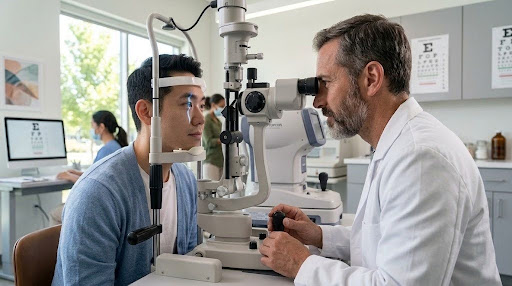
Because of this connection, contact lens discomfort and fluctuating vision should always be evaluated together. Improving tear quality may help restore both visual clarity and overall comfort during lens wear. Proper evaluation can identify whether dryness, medication effects, or other eye surface concerns are contributing.
Understanding the Hidden Dry-Eye Connection
Many patients assume that discomfort automatically means they need a stronger prescription or an entirely different contact lens brand. While those factors sometimes matter, dryness caused by medications can be the hidden reason comfort suddenly changes. A lens may fit properly and still feel uncomfortable if the eye surface is not receiving adequate moisture. Understanding the role of tear quality is an important part of maintaining comfortable lens wear.
This connection is especially important for long-term contact lens wearers. Someone who has successfully worn lenses for many years may become frustrated when symptoms appear unexpectedly. In reality, a new medication, allergy season, changing health conditions, or lifestyle adjustments may influence tear production rather than the lens itself. Recognizing these changes can help identify the true source of discomfort.
Understanding this relationship helps patients avoid unnecessary guesswork. Instead of immediately abandoning contact lenses, they can work with their eye doctor to identify the underlying cause. Comprehensive Eye Exams and tear film evaluations often reveal details that explain why comfort has changed and help guide appropriate recommendations.
The goal is not to stop necessary medications. Instead, it is to create a plan that supports healthy eyes while allowing patients to continue their medical treatment. With the right combination of Dry Eye Treatment, lens modifications, and personalized care, many patients can continue enjoying successful contact lens wear even when medications contribute to dryness. A customized approach can improve comfort, vision quality, and long-term satisfaction.
Questions to Ask at Your Exam
Ask whether your tear film appears healthy enough to support your current contact lenses. Understanding the condition of your tear film can help clarify whether symptoms are primarily related to dryness, lens performance, or both. This information allows your doctor to create a more accurate approach for improving comfort.
You should also ask whether any medications you currently take may be contributing to your symptoms. Bringing a complete medication list helps your doctor identify possible connections more accurately and develop an effective treatment strategy. Medication-related dryness can sometimes affect contact lens comfort without being immediately obvious.

Ask whether your tear film appears healthy enough to support your current contact lenses. Understanding the condition of your tear film can help clarify whether symptoms are primarily related to dryness, lens performance, or both. This information allows your doctor to create a more accurate approach for improving comfort.
You should also ask whether any medications you currently take may be contributing to your symptoms. Bringing a complete medication list helps your doctor identify possible connections more accurately and develop an effective treatment strategy. Medication-related dryness can sometimes affect contact lens comfort without being immediately obvious.
Finally, ask what changes can be made before giving up on contact lenses entirely. Many patients improve comfort through lens adjustments, lubrication plans, or targeted dry eye treatment rather than discontinuing lens wear. A personalized plan can help maintain clear vision and better comfort.
When to Schedule a Contact Lens Check
If your contact lenses suddenly begin feeling dry, scratchy, foggy, or difficult to wear after starting or changing a medication, schedule an eye exam instead of pushing through discomfort. Bring your current lenses, lens solutions, medication list, and notes about your symptoms. These details can help identify whether medication-related dryness is affecting lens performance and contact lens comfort.
Kleinwood Vision helps patients understand how medications affect contact lens comfort and provides personalized solutions for long-term success. Whether symptoms are related to contact lens dryness, tear instability, or Dry Eye Syndrome, a professional evaluation can help restore comfort and improve the overall lens-wearing experience. With proper care, patients can address dryness concerns, maintain clear vision, and continue wearing contact lenses comfortably while supporting healthier eyes and better long-term eye health through consistent management and personalized treatment recommendations from their eye doctor.
Contact Info
Hours of Operation
Mon - Fri | 9:00 AM - 5:00 PM
Sat - Sun | Closed
Holiday Hours: We are closed for the following holidays: New Years Day, Memorial Day, Independence Day, Labor Day, Thanksgiving Day, Christmas Day
The information provided on this website is for general informational purposes only and does not constitute professional medical advice, diagnosis, or treatment. Always seek the guidance of a licensed eye care professional or qualified health provider with any questions you may have regarding a medical condition or vision concern. Results from eye care services may vary by individual.
© 2026 Kleinwood Vision. All rights Reserved.