
Specialty Contact Lenses
Blurry Vision in One Eye with Contacts

FSDAVCFEBFEVSDDVFSD

FSDAVCFEBFEVSDDVFSD

FSDAVCFEBFEVSDDVFSD
Why One Eye Can Blur First
When patients notice blurry vision in one eye with contacts, it often feels confusing because the other eye may still seem perfectly clear. This uneven vision can happen when prescriptions differ between eyes, when one lens sits differently on the surface, or when tear quality varies from side to side. Even small differences can make one eye blurry contact lenses feel noticeably less effective.
Because vision should feel balanced, repeated contact lens blur one eye symptoms should not be ignored. A contact lens exam Houston patients trust can help identify whether the issue is lens-related or something affecting the eye itself.
When patients notice blurry vision in one eye with contacts, it often feels confusing because the other eye may still seem perfectly clear. This uneven vision can happen when prescriptions differ between eyes, when one lens sits differently on the surface, or when tear quality varies from side to side. Even small differences can make one eye blurry contact lenses feel noticeably less effective.
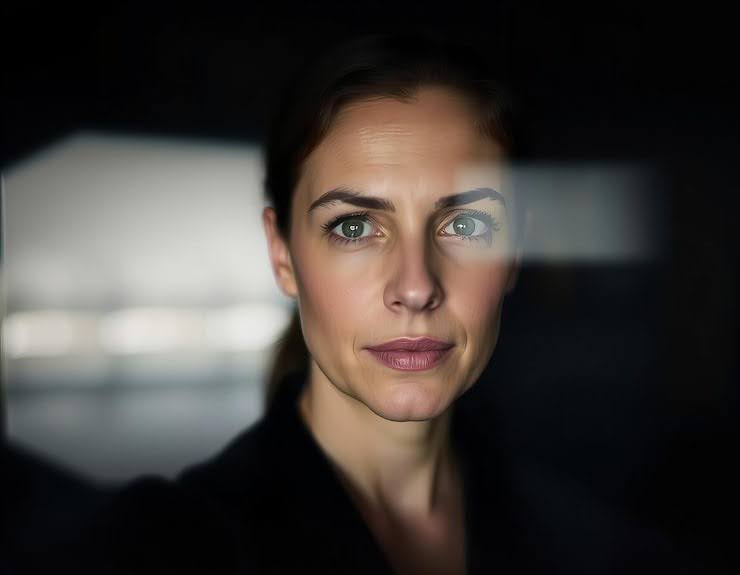
Because vision should feel balanced, repeated contact lens blur one eye symptoms should not be ignored. A contact lens exam Houston patients trust can help identify whether the issue is lens-related or something affecting the eye itself.
Common Contact Lens Causes of One-Eye Blur
One of the most common answers to why one contact is blurry is a lens-specific issue. The lens may be inside out, slightly damaged, coated with deposits, or not matching the prescription as precisely as needed for that eye. Even small inconsistencies can affect clarity. Toric lenses, in particular, can rotate differently between eyes, leading to unstable or inconsistent vision that seems to come and go throughout the day, especially with blinking or eye movement.
Dryness is another frequent cause of one contact is blurry. If one eye has weaker tear film stability, the lens surface may not stay evenly hydrated, causing smearing, haze, or fluctuating clarity. This often worsens later in the day or during screen-heavy tasks when blinking decreases, making dry conditions more noticeable in just one eye compared to the other.
Lens fit can also play a role in why one contact is blurry. A lens that moves too much, centers poorly, or interacts differently with the eyelid may create ongoing blur in one eye. A comprehensive eye exam Houston providers offer helps determine whether the issue is temporary or requires a better lens design or adjustment.
When It’s More Than the Lens
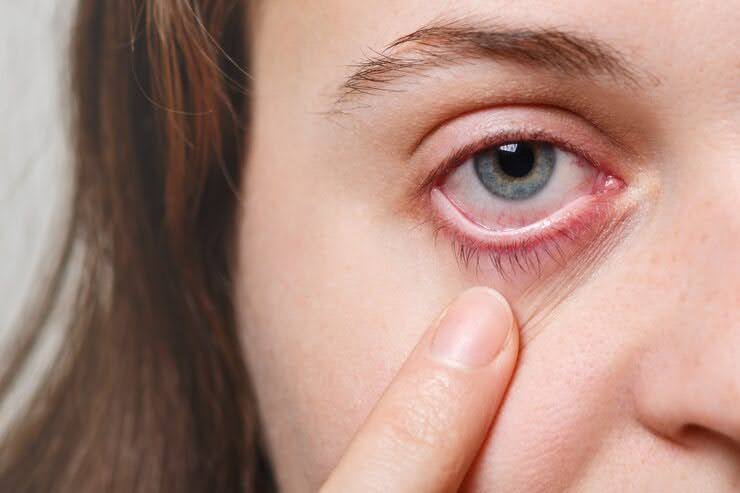
If contact lens blur one eye does not improve after replacing the lens or blinking, the issue may involve the eye itself rather than the lens. Conditions like surface irritation, corneal changes, or mild inflammation can make one eye appear blurrier even when the lens is functioning normally. In these cases, the contact lens is revealing a deeper issue instead of directly causing the problem.
Certain symptoms make this more important to address quickly. If blurry vision in one eye with contacts comes with redness, discomfort, light sensitivity, or discharge, it should not be treated as a minor inconvenience.
These signs may point to irritation or infection that needs attention. A specialty contact lens exam Houston visit helps determine whether medical care is needed instead of routine adjustments, ensuring proper diagnosis, treatment, and long-term eye health protection.
Patients often try to ignore one eye blurry contact lenses issues because the other eye compensates, making the problem seem less serious. However, relying on one eye for clear vision can delay proper care and allow underlying issues to persist. It helps to notice whether the same eye keeps having problems, whether blur worsens throughout the day, or whether it improves with a fresh lens. Paying attention to these small changes can reveal patterns that are easy to miss in daily use.
Tracking these patterns makes a comprehensive eye exam much more effective for diagnosis and treatment. Details like timing, comfort, and consistency help eye care professionals identify whether the problem is related to tear film instability, lens fit issues, or a developing eye condition that needs attention. Bringing this information to an appointment improves accuracy and ensures the right solution is recommended sooner.
When to Schedule an Exam Right Away
You should not delay care if one eye blurry contact lenses symptoms are persistent or keep returning. Repeated blur in the same eye usually means something more specific is affecting vision, whether it is lens fit, dryness, or an underlying surface issue. Early evaluation helps prevent more serious complications and protects long-term eye health.
An exam is also important if symptoms include pain, redness, discharge, or light sensitivity. These signs suggest the issue may go beyond routine lens wear and could indicate irritation or infection. A contact lens exam Houston providers perform can quickly determine whether it is safe to continue wearing lenses or if treatment is needed first. Getting timely care ensures the correct diagnosis, prevents worsening symptoms, and helps restore clear, comfortable vision with the right contact lens solution or medical treatment if required.
What Not to Do at Home
Avoid continuing to wear a lens that feels uncomfortable or consistently blurry. Waiting for it to improve on its own can delay diagnosis and may worsen the condition of the eye surface over time, increasing irritation and affecting overall vision quality.
It is also not helpful to switch between multiple drops or solutions without guidance. Temporary relief can mask symptoms without addressing the root cause, making it harder to identify what is actually wrong and potentially prolonging the underlying issue.
Avoid continuing to wear a lens that feels uncomfortable or consistently blurry. Waiting for it to improve on its own can delay diagnosis and may worsen the condition of the eye surface over time, increasing irritation and affecting overall vision quality.
It is also not helpful to switch between multiple drops or solutions without guidance. Temporary relief can mask symptoms without addressing the root cause, making it harder to identify what is actually wrong and potentially prolonging the underlying issue.
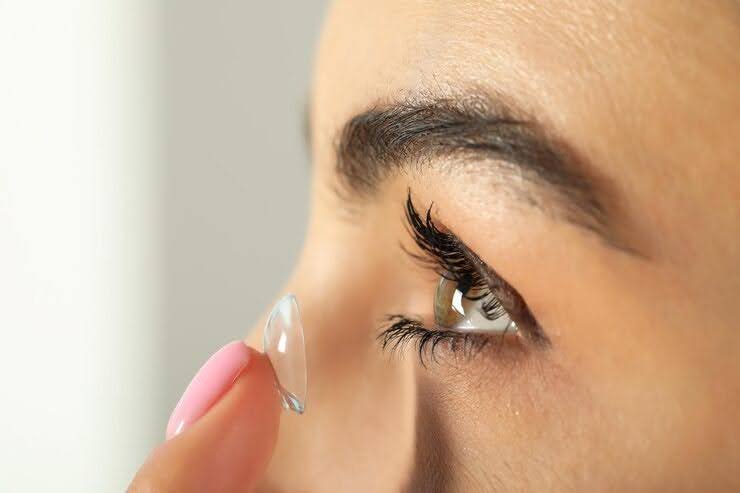
If symptoms are strong or unusual, remove the lens and stop wearing contacts until evaluated. This simple step can protect the eye and prevent further irritation or complications while allowing proper healing and accurate assessment by an eye care professional.
Why One-Eye Blur Should Be Taken Seriously
One-eye blur often seems minor at first, especially if the other eye still provides usable vision. However, persistent imbalance is usually a sign that something is not working correctly, whether it is the lens, tear film, or the eye itself. Ignoring the issue can allow a simple problem to become more difficult to treat later, affecting comfort, clarity, and daily visual tasks like reading or screen use.
In some cases, the cause is minor, such as a lens defect or dryness. In others, it may reflect uneven lens performance, corneal irregularity, or early signs of irritation that require attention. The fact that only one eye is affected often helps narrow the diagnosis, making early evaluation more effective and precise in identifying the root cause and preventing further strain on the clearer eye.
Consistent symptoms are especially important. If the same eye repeatedly feels blurry despite new lenses or adjustments, it suggests the issue is not random. A targeted evaluation can identify whether the lens design needs to change or whether the eye requires treatment before comfortable wear can continue. Tracking when the blur happens, how long it lasts, and whether it improves with blinking can also help guide diagnosis more accurately.
Taking action early also protects long-term vision. Contact lenses should provide stable, balanced clarity in both eyes. When that balance is lost, it is worth understanding why rather than adapting to the problem. Early care helps ensure healthy vision, better comfort, and more reliable contact lens performance over time.
Questions to Ask at Your Visit
Ask whether your symptoms sound more like a lens issue or a problem with the eye itself. This helps focus the exam on the most likely causes and speeds up the path to a solution, allowing more accurate diagnosis and effective treatment planning.
It is also useful to ask whether the same lens type is appropriate for both eyes. Some patients need slight differences in design or fit between eyes to achieve stable, clear vision, especially when factors like curvature, dryness, or sensitivity vary from one eye to the other.
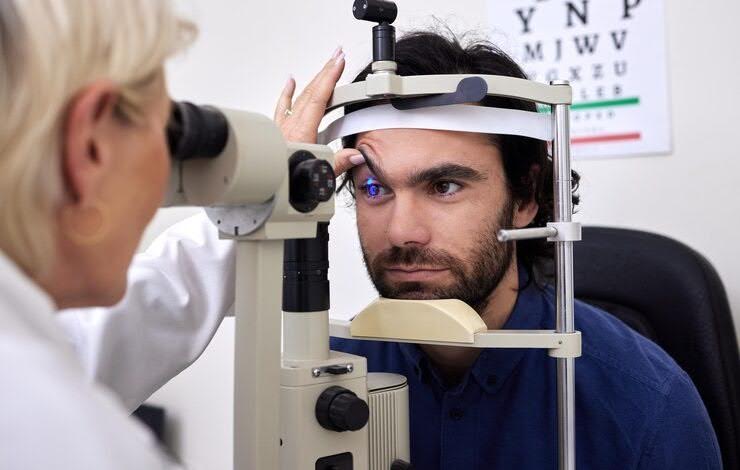
Ask whether your symptoms sound more like a lens issue or a problem with the eye itself. This helps focus the exam on the most likely causes and speeds up the path to a solution, allowing more accurate diagnosis and effective treatment planning.
It is also useful to ask whether the same lens type is appropriate for both eyes. Some patients need slight differences in design or fit between eyes to achieve stable, clear vision, especially when factors like curvature, dryness, or sensitivity vary from one eye to the other.
Finally, ask which symptoms should be considered urgent. Knowing when one-eye blur requires immediate care helps prevent delays and supports safer contact lens wear in the future. Understanding warning signs such as pain, redness, or sudden vision changes ensures timely attention and helps maintain long-term eye health and comfort while using contact lenses.
Your Next Steps Before Your Visit
Before your appointment, pay attention to when the blur occurs, whether it improves with a new lens, and if it always affects the same eye. Bring your current lenses, packaging, and any products you use. These details help guide a more accurate and efficient evaluation and support better understanding of your symptoms.
If one eye continues to feel blurry, Kleinwood Vision can perform a detailed contact lens exam Houston visit to assess lens fit, tear film quality, and overall eye health. A clear diagnosis helps determine whether a simple adjustment or a more advanced solution is needed. If symptoms persist or worsen, do not hesitate to Contact us for timely care and guidance. Early evaluation ensures proper treatment, protects vision, and helps restore comfortable, balanced contact lens wear for both eyes.
Contact Info
Hours of Operation
Mon - Fri | 9:00 AM - 5:00 PM
Sat - Sun | Closed
Holiday Hours: We are closed for the following holidays: New Years Day, Memorial Day, Independence Day, Labor Day, Thanksgiving Day, Christmas Day
The information provided on this website is for general informational purposes only and does not constitute professional medical advice, diagnosis, or treatment. Always seek the guidance of a licensed eye care professional or qualified health provider with any questions you may have regarding a medical condition or vision concern. Results from eye care services may vary by individual.
© 2026 Kleinwood Vision. All rights Reserved.