
Comprehensive Eye Exams
Are Frequent Headaches an Eye Problem?

FSDAVCFEBFEVSDDVFSD

FSDAVCFEBFEVSDDVFSD

FSDAVCFEBFEVSDDVFSD
Why Headaches and Eye Problems Get Linked
Not every headache begins in eyes, but visual system can absolutely contribute to repeated headaches under right circumstances. When eyes are under strain from prolonged near work, outdated prescription changes, dry eye symptoms, or binocular stress, result may be temple pain, forehead pressure, or headaches that gradually build throughout day. Many patients assume problem must only be stress or fatigue because headaches are so common in modern daily life.
A comprehensive eye exam Houston patients schedule can help identify vision problems and headaches connected to visual demand. Understanding when to see an optometrist for headaches often starts with recognizing patterns linked to eye strain.
Not every headache begins in eyes, but visual system can absolutely contribute to repeated headaches under right circumstances. When eyes are under strain from prolonged near work, outdated prescription changes, dry eye symptoms, or binocular stress, result may be temple pain, forehead pressure, or headaches that gradually build throughout day. Many patients assume problem must only be stress or fatigue because headaches are so common in modern daily life.
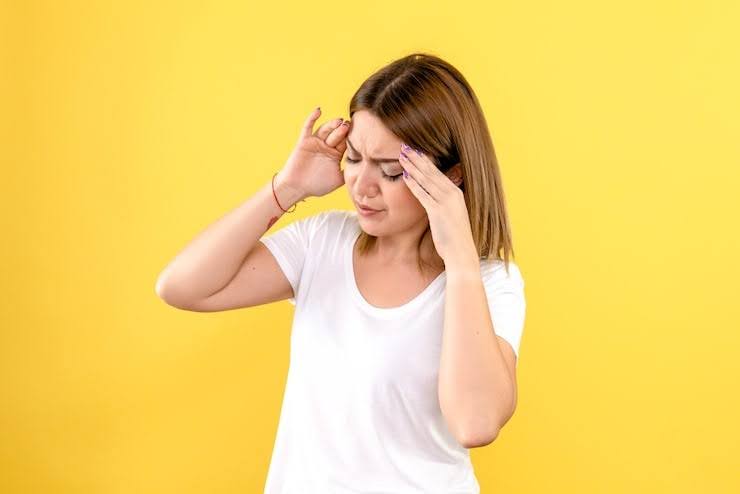
A comprehensive eye exam Houston patients schedule can help identify vision problems and headaches connected to visual demand. Understanding when to see an optometrist for headaches often starts with recognizing patterns linked to eye strain.
Eye-Related Causes That Trigger Headaches
One of the most common causes involves an outdated or uncorrected prescription. Even mild refractive error can force the visual system to work harder during reading, computer use, or prolonged concentration. Patients do not always describe obvious blur. Instead, they report tired eyes, aching around the forehead, or headaches from eye strain that improve after stepping away from visual tasks for a while.
Dry eye symptoms contribute significantly. When the tear film becomes unstable, patients may experience fluctuating clarity, burning, irritation, and visual discomfort that can feed into headaches during long screen-heavy days. Reduced blinking while focusing closely increases surface stress over time, making discomfort worse later in the day if vision seemed comfortable earlier that morning.
Another important cause involves binocular strain and alignment stress. If the eyes are not working together comfortably, reading and screen use can become exhausting than expected. Patients notice pressure around the eyes, fatigue during near work, or headaches from eye strain seem disproportionate to amount of work being done. NeuroLens eye exam Houston providers perform can help determine whether subtle alignment problems may be contributing to those symptoms and ongoing visual discomfort patterns.
Signs Headaches May Be Vision Related
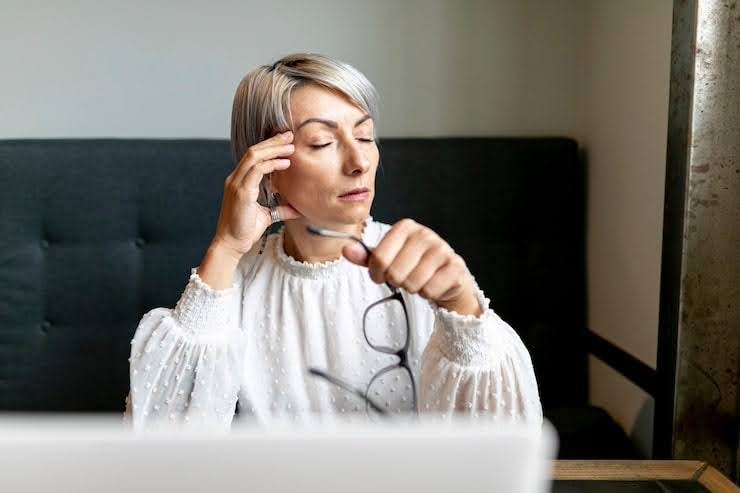
Headaches become more suspicious for an eye-related contribution when they consistently appear during reading, paperwork, computer use, or other close visual tasks. If symptoms improve after resting the eyes or stepping away from screens, that pattern matters. Patients may also experience eye pressure, blur, light sensitivity, neck tension, or fatigue during the same periods when headaches appear and worsen throughout the day.
This does not automatically prove the eyes are the only cause, but it does suggest that determining when to see an optometrist for headaches is reasonable.
A comprehensive eye exam Houston specialists provide can evaluate whether vision problems and headaches are linked to prescription needs, dryness, binocular strain, or whether the symptoms point toward another medical explanation outside vision care entirely, especially when symptoms persist despite rest and affect daily visual comfort and performance over time assessment important.
Patients often wait too long to mention headaches because the symptom feels too general or common to matter. However, the details are what make the history useful. It helps to notice where the pain occurs, how quickly it develops during visual tasks, whether screens feel worse than distance activities, and what tends to provide relief after symptoms begin.
If headaches are accompanied by eye pressure, fatigue, blur, or trouble sustaining near work, the visual system deserves closer attention. Even when the ultimate cause is mixed rather than purely eye-related, identifying the visual contribution can make treatment far more targeted and practical. Headaches from eye strain are often easier to improve once the actual trigger pattern becomes clearer through examination and symptom tracking over time. Tracking symptoms consistently before and during evaluation helps eye care professionals connect patterns that patients may overlook and supports more accurate decisions about whether vision correction or additional medical assessment is required for lasting relief overall.
When an Eye Exam Makes Sense
An eye exam makes sense when headaches are frequent, repeatedly follow reading or screen use, or appear alongside eye strain, glare, and visual fatigue. Patients who already wear glasses can still benefit because the issue may involve more than prescription power alone. Lens design, tear-film instability, or binocular stress can still contribute significantly even when general daytime vision appears reasonably clear and functional.
At the same time, it is important to remember that not every headache belongs in the optometrist’s office first. Sudden severe headaches, neurological symptoms, or rapidly changing patterns may require medical care beyond vision evaluation. Knowing when to see an optometrist for headaches depends largely on whether visual triggers and symptoms strongly suggest the eyes may be contributing meaningfully to the overall pattern.
Why Pattern Matters More Than Panic
Frequent headaches can feel alarming, but the most useful first step is understanding the symptom pattern instead of jumping immediately to conclusions. Timing, triggers, and related visual symptoms often reveal whether vision is likely contributing to the discomfort during daily tasks.
This is why a detailed symptom history matters so much during evaluation. Headaches from eye strain linked to screens, reading, or sustained near work tell a very different story than headaches appearing randomly without any consistent visual connection or pattern.
Frequent headaches can feel alarming, but the most useful first step is understanding the symptom pattern instead of jumping immediately to conclusions. Timing, triggers, and related visual symptoms often reveal whether vision is likely contributing to the discomfort during daily tasks.
This is why a detailed symptom history matters so much during evaluation. Headaches from eye strain linked to screens, reading, or sustained near work tell a very different story than headaches appearing randomly without any consistent visual connection or pattern.

A good exam uses those clues to determine what should be tested further and whether the next step belongs in vision care, medical care, or sometimes both. Pattern usually matters far more than headache intensity alone during early evaluation and treatment planning decisions overall.
Why Proper Evaluation Brings Better Answers
Frequent headaches are one of those symptoms that patients often either dismiss completely or worry about excessively without clear direction. Because headaches are so common, many adults assume there is nothing meaningful to learn from them. However, when vision problems and headaches consistently appear together, especially during visual tasks, the eyes may be contributing more than patients realize. That is where a proper eye evaluation becomes extremely valuable.
A comprehensive eye exam Houston providers perform can identify whether prescription needs, dry eye symptoms, or binocular stress are increasing visual workload throughout the day. In some cases, a NeuroLens eye exam Houston specialists offer may help determine whether subtle alignment issues are creating additional strain during reading or prolonged screen use. Identifying those patterns helps reduce unnecessary guesswork and keeps treatment more targeted.
Patients often spend months assuming stress, posture, or fatigue must be the only explanation for their symptoms. While those factors certainly matter, headaches from eye strain can exist alongside them and worsen overall discomfort significantly. Understanding the visual contribution allows treatment decisions to become more specific and practical instead of relying only on temporary symptom management approaches. This perspective also supports better long term symptom tracking and encourages patients to seek timely care when patterns persist or intensify over time naturally observed.
Even when the exam shows the eyes are not the primary issue, that information is still useful. Ruling the eyes out can help patients pursue the next appropriate medical conversation with more confidence and less uncertainty about what may actually be driving their symptoms over time.
Questions to Ask During the Visit
Ask whether your headache pattern appears visually triggered or whether it seems less likely to involve the eyes significantly. That helps set realistic expectations for what the exam may explain and whether vision problems and headaches are strongly connected in your specific case overall.
It is also helpful to ask which part of the visual system appears most suspicious, such as prescription accuracy, dry eye symptoms, or binocular strain.
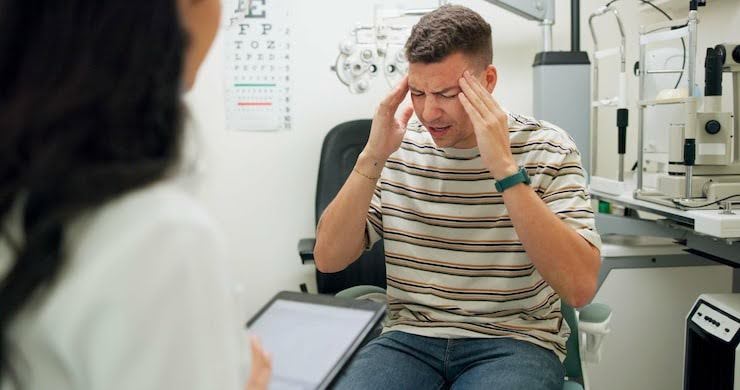
Ask whether your headache pattern appears visually triggered or whether it seems less likely to involve the eyes significantly. That helps set realistic expectations for what the exam may explain and whether vision problems and headaches are strongly connected in your specific case overall.
It is also helpful to ask which part of the visual system appears most suspicious, such as prescription accuracy, dry eye symptoms, or binocular strain.
Understanding what the doctor is evaluating makes the visit feel much more purposeful and easier to follow during discussion and treatment planning afterward.
Finally, ask what symptoms would suggest pursuing medical evaluation beyond the eye exam itself. Knowing when to see an optometrist for headaches versus when to involve another healthcare provider is especially important when symptoms become frequent, severe, or harder to explain clearly over time, ensuring appropriate care decisions and timely follow-up for persistent visual discomfort patterns overall.
Your Next Steps Before Your Visit
Before your appointment, track when your headaches happen, how often they occur, and whether they are connected to reading, paperwork, screens, or other visual tasks. Note where the pain is located and whether symptoms such as eye pressure, blur, light sensitivity, or fatigue appear alongside it. Bring your current glasses and pay attention to what makes the discomfort feel better or worse throughout the day.
If you are wondering whether frequent headaches may be connected to your eyes, Kleinwood Vision can provide a comprehensive eye exam Houston patients trust to evaluate prescription needs, ocular surface health, and binocular function carefully. Whether the issue involves headaches from eye strain, visual fatigue, or another factor entirely, a clearer explanation can help guide the next steps. Ready to stop guessing about your symptoms? Contact us to schedule your evaluation today.
Contact Info
Hours of Operation
Mon - Fri | 9:00 AM - 5:00 PM
Sat - Sun | Closed
Holiday Hours: We are closed for the following holidays: New Years Day, Memorial Day, Independence Day, Labor Day, Thanksgiving Day, Christmas Day
The information provided on this website is for general informational purposes only and does not constitute professional medical advice, diagnosis, or treatment. Always seek the guidance of a licensed eye care professional or qualified health provider with any questions you may have regarding a medical condition or vision concern. Results from eye care services may vary by individual.
© 2026 Kleinwood Vision. All rights Reserved.