
Contact Lenses
Anisometropia and Contact Lens Options

FSDAVCFEBFEVSDDVFSD
FSDAVCFEBFEVSDDVFSD

FSDAVCFEBFEVSDDVFSD
Why Unequal Prescriptions Feel Weird
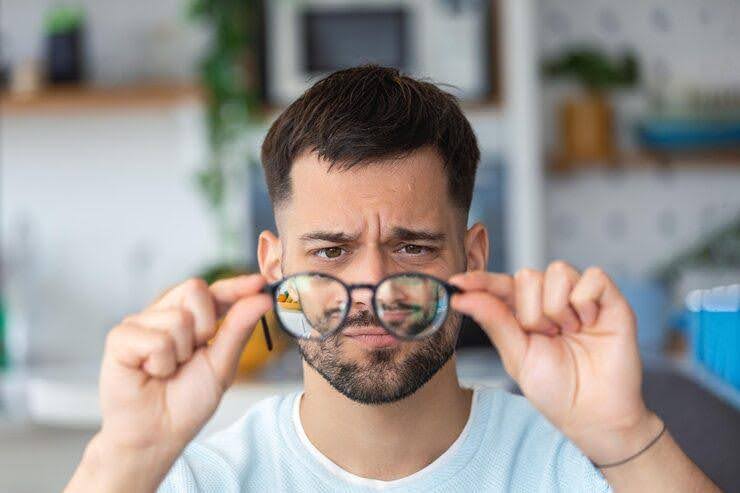
Anisometropia occurs when each eye has a different prescription, which can make glasses feel uncomfortable or cause uneven vision. Many people experience eye strain, headaches, or difficulty focusing, especially during prolonged reading, computer work, or other near tasks.
Contact lenses can help correct anisometropia by balancing vision in each eye individually, reducing the discomfort that glasses sometimes cause. Your eye doctor will review your prescription, eye health, and daily habits to determine whether contacts are a suitable option. With the proper fit, contact lenses for anisometropia provide clearer, more comfortable vision, making school, work, or screen time easier. Regular follow-ups ensure continued comfort and proper visual correction.
Anisometropia occurs when each eye has a different prescription, which can make glasses feel uncomfortable or cause uneven vision. Many people experience eye strain, headaches, or difficulty focusing, especially during prolonged reading, computer work, or other near tasks.
Contact lenses can help correct anisometropia by balancing vision in each eye individually, reducing the discomfort that glasses sometimes cause. Your eye doctor will review your prescription, eye health, and daily habits to determine whether contacts are a suitable option. With the proper fit, contact lenses for anisometropia provide clearer, more comfortable vision, making school, work, or screen time easier. Regular follow-ups ensure continued comfort and proper visual correction.
How Contacts Can Improve Balance
Contact lenses sit directly on the surface of the eye, which often reduces the magnification difference created by glasses. For many people with anisometropia, this leads to more natural depth perception and fewer sensations of imbalance when walking, driving, or climbing stairs. Contacts also minimize edge distortion that can appear with stronger spectacle lenses, improving overall visual comfort during daily activities and tasks that require precise focus.
The fitting process begins with refraction and binocular vision testing to confirm the prescription difference and evaluate how the eyes coordinate together. Tear film and corneal health are checked, as comfortable contact lens wear depends on a healthy ocular surface. Trial lenses are selected to match each eye’s prescription, curvature, and oxygen needs. The doctor evaluates lens centering and movement to ensure a stable, safe fit for daily wear.
Some patients adapt well to standard soft lenses, while others benefit from specialty designs if prescriptions are higher or the cornea has an irregular shape. If astigmatism differs between eyes, toric lenses may be needed. During the trial, the doctor also observes how the brain adjusts to the new balance, aiming for comfortable wear, balanced clarity, and a safe follow-up plan.
Key Signs Your Glasses Aren’t Ideal

People with anisometropia may notice that glasses feel “off” even if distance vision seems clear. One eye can appear sharper than the other, or depth perception may feel unusual. Some individuals report mild nausea during quick movements or feel unsteady on stairs and uneven ground. Others may avoid night driving due to reduced visual stability. These issues can become more noticeable after updating a prescription, as the brain adjusts to changes in image balance created by the lenses.
If symptoms persist beyond the typical adaptation period, discussing contact lenses vs glasses for anisometropia can be helpful.
A comprehensive contact lens exam evaluates each eye’s prescription, tear film, and binocular vision to ensure comfort. Addressing underlying factors like dryness or coordination issues allows your doctor to recommend the most effective solution, providing clearer, more balanced vision for daily activities and reducing strain from mismatched images.
To prepare for a contact lens fitting, bring your current glasses and any previous contact lens information. If you have tried contacts before, explain challenges such as dryness, unstable vision, or general discomfort. This information helps your doctor choose a material or design best suited for your eyes. In some cases, a short break from lenses may be needed before measurements, especially if corneal mapping or specialty lenses are planned. Clear communication about past experiences ensures a smoother fitting process and increases the likelihood of successful wear.
During the trial period, follow the recommended wearing schedule carefully. Anisometropia contact lenses often feel comfortable quickly, but your visual system still needs time to adapt. Track daily wear time, dryness, and how stable vision feels. Follow-up visits allow the doctor to fine-tune the fit, address any discomfort, and confirm the lenses support healthy eyes. This careful monitoring ensures balanced, comfortable, and effective vision correction over time.
When Specialty Lenses Are Needed
If one eye has a much stronger prescription—such as high myopia, hyperopia, or significant astigmatism—standard soft lenses may not provide the clearest vision. In these cases, specialty contact lenses are often recommended to deliver precise correction and improved visual comfort. Options may include custom toric lenses, rigid gas permeable lenses, or scleral lenses, each designed to address complex prescriptions while supporting stable optics.
Your optometrist carefully evaluates corneal measurements, eye health, and visual goals to determine the most suitable lens type. Specialty lenses provide sharper vision and more consistent clarity when the prescription difference between eyes is significant. They allow customization for each eye, ensuring balanced vision and reducing strain. With the right fit, these lenses support comfortable, clear daily vision for tasks such as reading, screen use, and distance viewing, helping patients achieve optimal performance and long-term eye health.
Essential Safety Checks You Should Know
Because people with anisometropia may rely more heavily on one eye, safe lens fit in both eyes is essential. Your doctor evaluates how each lens moves, centers, and delivers oxygen to the cornea. Stable movement helps maintain comfort and prevents irritation during long wearing periods.
Tear film quality is also reviewed during visits. Dryness can cause fluctuating clarity and irritation that makes one eye feel worse than the other. When dryness is present, your doctor may recommend lubricating drops, lid hygiene changes, or alternative lens materials to maintain comfort.
Because people with anisometropia may rely more heavily on one eye, safe lens fit in both eyes is essential. Your doctor evaluates how each lens moves, centers, and delivers oxygen to the cornea. Stable movement helps maintain comfort and prevents irritation during long wearing periods.
Tear film quality is also reviewed during visits. Dryness can cause fluctuating clarity and irritation that makes one eye feel worse than the other. When dryness is present, your doctor may recommend lubricating drops, lid hygiene changes, or alternative lens materials to maintain comfort.
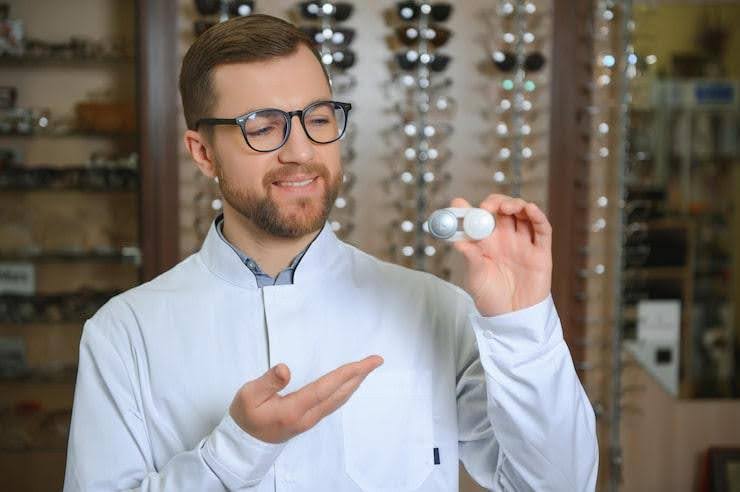
Proper contact lens care is another important safety factor. Following cleaning routines, replacement schedules, and avoiding sleeping in lenses helps reduce infection risk. Routine follow-ups ensure that both lenses continue to fit safely as your eyes and prescription needs change.
What Happens After The Fitting
After your contact lens fitting, it is normal to experience a short adaptation period while your brain adjusts to balanced visual input from both eyes. Many patients quickly notice improved depth perception and reduced eye fatigue. However, some individuals may require minor power adjustments to achieve the most comfortable and clear result. This is why the follow-up appointment is a critical part of the process, allowing your optometrist to fine-tune the prescription and ensure optimal vision.
If you continue to experience visual imbalance, your doctor may evaluate whether small prescription adjustments are needed or if additional binocular vision support could help. When eyes have worked unevenly for years, introducing balanced correction can change how the visual system functions. Although this adjustment period may take time, it typically results in more stable, comfortable, and reliable vision for daily tasks such as reading, computer work, and driving.
Your correction plan may include wearing contact lenses full-time, part-time, or combining contacts with glasses for specific tasks. Some patients wear a contact lens in one eye and glasses overall depending on prescription differences and lifestyle needs. The goal is a solution that provides clear, comfortable, and safe vision for all activities.
In children or teens, anisometropia may occur alongside uneven myopia development. In these cases, your doctor monitors each eye carefully to track changes over time. Consistent follow-ups allow early detection of asymmetrical progression. Leaving the visit with a clear schedule for lens replacement, follow-ups, and symptom monitoring helps maintain stable, predictable vision and supports long-term visual health.
Common Questions About Unequal Eyes
Many patients ask whether anisometropia can be “fixed” so both eyes have identical prescriptions. In reality, the goal is not to force both eyes to match but to create comfortable, balanced vision. Anisometropia contact lenses often help reduce the imbalance that glasses can cause because they minimize magnification differences.
Another common question is whether one eye is weaker. Sometimes one eye has simply been doing more work. With the right correction, both eyes can often contribute more evenly to vision. Your doctor may also discuss binocular vision findings that explain how the eyes work together.

Many patients ask whether anisometropia can be “fixed” so both eyes have identical prescriptions. In reality, the goal is not to force both eyes to match but to create comfortable, balanced vision. Anisometropia contact lenses often help reduce the imbalance that glasses can cause because they minimize magnification differences.
Another common question is whether one eye is weaker. Sometimes one eye has simply been doing more work. With the right correction, both eyes can often contribute more evenly to vision. Your doctor may also discuss binocular vision findings that explain how the eyes work together.
Finally, ask about follow-up timing and care routines. If you are new to contacts or using specialty contact lenses, routine visits help confirm that the lenses remain safe and effective. Understanding replacement schedules, cleaning routines, and the need for backup glasses helps maintain consistent vision.
Your Next Step: Get Fitted
If your glasses feel unbalanced or depth perception seems off, scheduling a contact lens exam is the next step toward better visual balance. Bring your current glasses, previous prescriptions, and notes about when symptoms occur—during driving, sports, reading, or long computer sessions. Sharing this information helps your doctor tailor the fitting process to your eyes’ unique needs, ensuring the most accurate and comfortable correction.
At Kleinwood Vision, your optometrist evaluates whether standard lenses or specialty contact lenses provide the best solution for anisometropia. The goal is to achieve balanced vision that supports clear, comfortable daily activities while maintaining long-term eye health. By addressing prescription differences between eyes, contacts can improve depth perception, reduce strain, and provide more stable vision. If you are ready to explore your options, contact us to schedule a fitting and start the process toward clearer, more comfortable, and balanced vision every day.
Contact Info
Hours of Operation
Mon - Fri | 9:00 AM - 5:00 PM
Sat - Sun | Closed
Holiday Hours: We are closed for the following holidays: New Years Day, Memorial Day, Independence Day, Labor Day, Thanksgiving Day, Christmas Day
The information provided on this website is for general informational purposes only and does not constitute professional medical advice, diagnosis, or treatment. Always seek the guidance of a licensed eye care professional or qualified health provider with any questions you may have regarding a medical condition or vision concern. Results from eye care services may vary by individual.
© 2026 Kleinwood Vision. All rights Reserved.