
Contact Lenses
Aniseikonia: Why Glasses Feel Wrong

FSDAVCFEBFEVSDDVFSD
FSDAVCFEBFEVSDDVFSD
FSDAVCFEBFEVSDDVFSD
What Aniseikonia Actually Means
Aniseikonia occurs when each eye perceives images at slightly different sizes. Even when both eyes see clearly, the brain may struggle to merge the images into one comfortable view. This image size difference eyes experience can occur when prescriptions vary between eyes or when new glasses change magnification more than expected. As a result, vision may feel distorted or unbalanced even when the prescription appears correct.
Many patients say “something feels off” rather than describing blur. Depth perception may feel unusual, and tasks like reading or walking downstairs can feel uncomfortable. A comprehensive eye exam Houston helps determine whether aniseikonia or another binocular vision issue is causing these symptoms.
Aniseikonia occurs when each eye perceives images at slightly different sizes. Even when both eyes see clearly, the brain may struggle to merge the images into one comfortable view. This image size difference eyes experience can occur when prescriptions vary between eyes or when new glasses change magnification more than expected. As a result, vision may feel distorted or unbalanced even when the prescription appears correct.
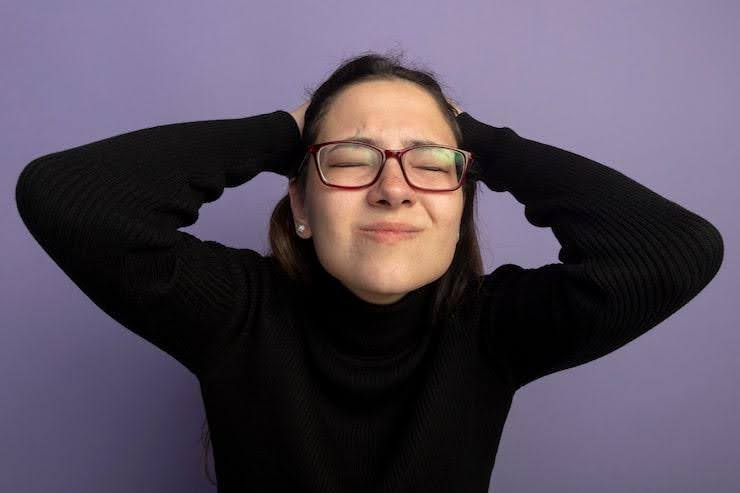
Many patients say “something feels off” rather than describing blur. Depth perception may feel unusual, and tasks like reading or walking downstairs can feel uncomfortable. A comprehensive eye exam Houston helps determine whether aniseikonia or another binocular vision issue is causing these symptoms.
Why Glasses Can Trigger Distortion
Glasses sit slightly away from the eyes, which means they can change magnification more than contact lenses. When one lens is significantly stronger than the other, that lens may cause the image in that eye to appear larger or smaller. The brain then tries to combine two unequal images, which can lead to headaches, dizziness, or the feeling that floors and steps look unusual. This is one reason glasses feel distorted for some patients with aniseikonia.
Prescription changes can sometimes trigger these symptoms unexpectedly. Even a small power difference between lenses may create noticeable magnification changes, especially in higher prescriptions. Lens material, frame fit, and base curve can also influence how glasses sit in front of the eye, affecting perceived image size. These factors explain why two glasses prescriptions with similar numbers may feel very different during everyday activities.
During evaluation, your optometrist compares anisometropia vs aniseikonia to understand the cause of symptoms. While anisometropia refers to unequal prescriptions, aniseikonia describes the resulting image size difference eyes perceive. A contact lens exam may be recommended because contacts sit directly on the eye and often reduce magnification differences, restoring more balanced and comfortable vision.
Symptoms People Notice In Daily Life
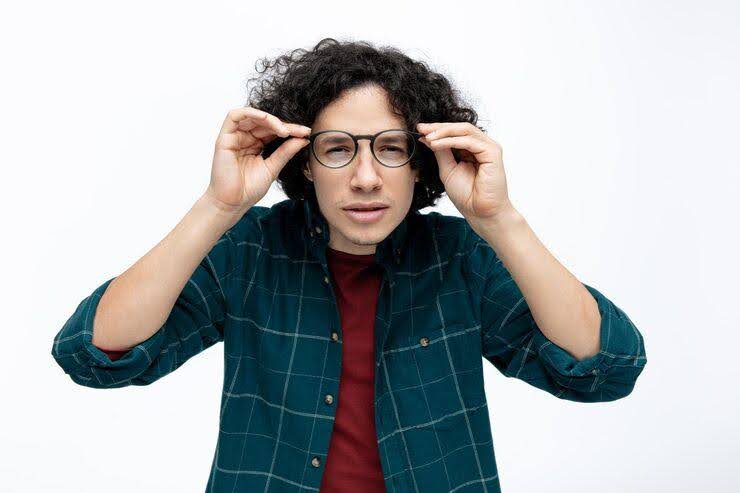
People with aniseikonia often notice problems during activities that rely on depth perception and spatial awareness. Walking through crowded areas, navigating stairs, or driving may feel slightly uncomfortable even though objects appear clear. Some individuals report headaches, mild nausea, or a sense of imbalance when wearing new glasses, especially during movement or when shifting focus between near and distant objects. These sensations can make everyday activities feel less stable.
Another common symptom is the feeling that one eye is working harder than the other. Reading may feel tiring because the eyes struggle to maintain a stable combined image.
If symptoms begin right after a prescription update and do not improve within the normal adjustment period, a follow-up visit is recommended. Discussing contact lenses for aniseikonia may help reduce magnification differences and restore more natural, balanced visual comfort.
Preparing for a follow-up exam can make diagnosing aniseikonia easier. Bring both your current glasses and your previous pair so the doctor can compare lens changes. Explaining when distortion occurs—while driving, using stairs, or working on a screen—helps identify whether image size difference eyes perceive is responsible. Even small details about symptoms can guide adjustments to the prescription or lens design, helping your optometrist understand how the visual imbalance affects daily activities.
Your optometrist may recommend small prescription adjustments, a different spectacle lens design, or a trial with contact lenses. Contact lenses often help because they reduce the magnification differences that glasses create. Addressing dryness or other eye surface issues can also improve comfort and visual stability. The goal is clear vision that remains steady during movement, reading, driving, and other everyday activities while minimizing the imbalance caused by aniseikonia.
Why Contacts Often Feel More Natural
Contact lenses sit directly on the cornea and move naturally with your eyes. Because of this position, they usually produce far less magnification difference than glasses. For patients experiencing aniseikonia, this can make the visual world feel more balanced and natural. Many individuals notice improved depth perception and fewer symptoms of distortion when trying contacts during a trial fitting.
A contact lens exam evaluates corneal shape, tear film health, and prescription accuracy before selecting the most suitable lenses. If astigmatism is present, toric lenses may provide the stability needed for clear vision. In cases with larger prescription differences, specialty contact lenses can offer customized optics and improved comfort. The goal is to allow both eyes to contribute evenly to vision while maintaining safe, healthy lens wear.
When Glasses Still Work Best
In some cases, glasses can still provide comfortable vision for patients with aniseikonia when the lens design is optimized. Adjusting factors such as lens material, base curve, or frame position can reduce magnification differences and improve visual balance. Small prescription adjustments may also help the brain merge images more comfortably while maintaining clarity.
Patients who prefer glasses can ask about customized spectacle lenses designed to minimize distortion. Your doctor may also evaluate eye alignment to see whether binocular coordination contributes to symptoms. Addressing these factors can improve comfort during everyday wear.
In some cases, glasses can still provide comfortable vision for patients with aniseikonia when the lens design is optimized. Adjusting factors such as lens material, base curve, or frame position can reduce magnification differences and improve visual balance. Small prescription adjustments may also help the brain merge images more comfortably while maintaining clarity.
Patients who prefer glasses can ask about customized spectacle lenses designed to minimize distortion. Your doctor may also evaluate eye alignment to see whether binocular coordination contributes to symptoms. Addressing these factors can improve comfort during everyday wear.

For many people, using both options works best. Contact lenses may provide balanced vision during active tasks, while glasses serve as a reliable backup. The right choice depends on your prescription and symptoms.
What Happens After The Evaluation
The next step after an aniseikonia evaluation is determining how significant the image size difference eyes perceive and selecting the best correction strategy. Your optometrist reviews previous prescriptions alongside new lens measurements and evaluates whether magnification changes are contributing to discomfort. When anisometropia is present, the likelihood of aniseikonia increases, making balanced binocular vision the primary goal rather than only achieving sharp visual acuity. Understanding how each eye contributes to vision helps the doctor decide whether glasses, contact lenses, or a combination approach will provide the most comfortable and stable visual experience.
If contact lenses are recommended, a trial fitting is typically the first step. Many patients notice immediate improvements in depth perception, visual stability, and comfort when walking, driving, or focusing on moving objects. Follow-up visits are essential to confirm lens fit, assess corneal health, and make minor adjustments to optimize vision and comfort. These visits also provide an opportunity to evaluate whether adaptation is progressing as expected and whether additional support, such as binocular vision exercises, may be helpful.
For patients who prefer glasses, adjustments to lens design, material, or base curve may reduce magnification differences. Gradual prescription changes can help the visual system adapt more comfortably, especially for those with high prescription differences between eyes. Custom or specialty lenses may also be considered to minimize distortion and restore balanced vision.
Before leaving, your doctor will outline a clear plan for which correction to wear and when follow-ups should occur. Persistent dizziness, headaches, or visual distortion should not be ignored. With the right strategy, most cases of aniseikonia can be improved significantly, allowing patients to regain confidence in daily activities, reading, and movement.
Common Questions Patients Commonly Ask
Many patients wonder whether aniseikonia means something is wrong with their eyes. In reality, it is an optical issue caused by differences in image size eyes perceive rather than damage to the eye itself. Understanding this distinction helps patients feel more confident when exploring solutions such as contact lenses for aniseikonia.
Another common question is whether symptoms will disappear over time. Minor prescription adjustments may improve after a short adaptation period, but persistent dizziness, headaches, or spatial distortion should be evaluated.
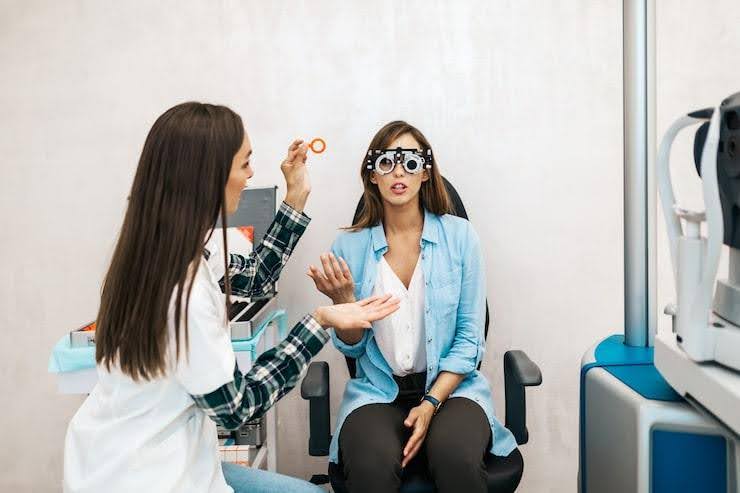
Many patients wonder whether aniseikonia means something is wrong with their eyes. In reality, it is an optical issue caused by differences in image size eyes perceive rather than damage to the eye itself. Understanding this distinction helps patients feel more confident when exploring solutions such as contact lenses for aniseikonia.
Another common question is whether symptoms will disappear over time. Minor prescription adjustments may improve after a short adaptation period, but persistent dizziness, headaches, or spatial distortion should be evaluated.
Your optometrist can determine whether prescription changes, lens design modifications, or contact lenses would provide better visual balance and reduce discomfort during daily activities.
Patients also ask whether contact lenses are required. While not always necessary, they often reduce magnification differences more effectively than glasses. Discussing specialty contact lenses and follow-up care ensures that whichever correction is chosen remains comfortable, safe, and effective for long-term vision stability.
Your Next Step For Comfortable Vision
If your glasses feel distorted or uncomfortable even though the prescription seems correct, scheduling a comprehensive eye exam Houston is an important next step. Bring both your old and new glasses and explain when symptoms occur, such as while driving, climbing stairs, or using a computer. This information helps your optometrist determine whether aniseikonia or another vision issue is responsible for the discomfort.
At Kleinwood Vision, your doctor can evaluate whether standard contacts, specialty contact lenses, or optimized glasses provide the best correction for your eyes. The goal is balanced binocular vision that feels natural throughout daily activities. With the right measurements and follow-up care, many patients experience significant improvement in comfort and stability. If distorted vision continues to affect your day-to-day life, contact us to schedule an evaluation and explore solutions that restore clear, confident vision.
Contact Info
Hours of Operation
Mon - Fri | 9:00 AM - 5:00 PM
Sat - Sun | Closed
Holiday Hours: We are closed for the following holidays: New Years Day, Memorial Day, Independence Day, Labor Day, Thanksgiving Day, Christmas Day
The information provided on this website is for general informational purposes only and does not constitute professional medical advice, diagnosis, or treatment. Always seek the guidance of a licensed eye care professional or qualified health provider with any questions you may have regarding a medical condition or vision concern. Results from eye care services may vary by individual.
© 2026 Kleinwood Vision. All rights Reserved.