
Daily Habits
After-School Myopia Routine Guide

FSDAVCFEBFEVSDDVFSD

FSDAVCFEBFEVSDDVFSD

FSDAVCFEBFEVSDDVFSD
Reset with Light and Fuel
Start with water and a protein snack, then aim for 30–60 minutes outside. Daylight and movement help focusing systems reset after class, easing strain before homework. If weather or daylight is limited, choose a bright area near a window and open the curtains wide. Keep shoes by the door to make the step outside automatic.
This reset reduces the urge to hunch over devices and supports outdoor time children eyes goals. Kids return calmer, posture improves, and distance cues feel natural again. The result: smoother study blocks, fewer complaints, and steadier after school routine myopia habits that dovetail with clinic advice from your Houston pediatric optometrist.
Start with water and a protein snack, then aim for 30–60 minutes outside. Daylight and movement help focusing systems reset after class, easing strain before homework. If weather or daylight is limited, choose a bright area near a window and open the curtains wide. Keep shoes by the door to make the step outside automatic.

This reset reduces the urge to hunch over devices and supports outdoor time children eyes goals. Kids return calmer, posture improves, and distance cues feel natural again. The result: smoother study blocks, fewer complaints, and steadier after school routine myopia habits that dovetail with clinic advice from your Houston pediatric optometrist.
Study Blocks that Protect Vision
Use 25–30 minute blocks with homework screen breaks every session to maintain focus and eye comfort. Post a simple 20-20-20 card: every 20 minutes, look 20 feet away for 20 seconds and blink on purpose. Kids can use a quiet timer or widget to stay on track, while parents praise streaks, not perfection. A filled water bottle at the desk keeps comfort steady and helps prevent end-of-day dryness during study time.
Raise screens to eye level with a stand, enlarge text, and follow the forearm reading distance kids rule. Chairs belong at tables, not couches, to support posture. Bright, nonglare lighting prevents squinting, and placing reference printouts beside monitors encourages focus shifts and reduces strain. These small changes build dependable comfort, clearer vision, and better concentration over time.
Plan reading-heavy subjects earlier when focus is strongest, and save creative projects for later blocks. End each session with a two-number log—breaks completed and longest near-work stretch. Review weekly to spot patterns, celebrate progress, and refine routines. This family-tested flow supports Myopia Management and complements Pediatric Eye Exams and Comprehensive Eye Exams at Kleinwood Vision.
Evening Wind-Down and Bedtime
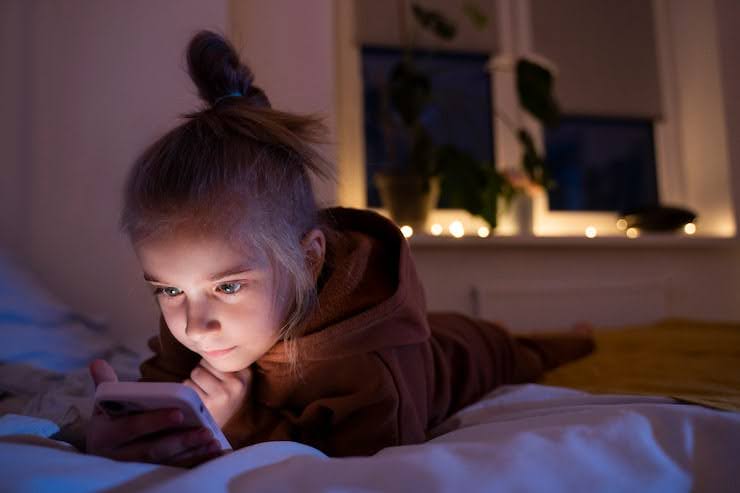
Dim room lights, switch devices to reading modes, and park phones on chargers outside bedrooms 30–60 minutes before lights-out. A consistent curfew strengthens bedtime eye health, improves morning clarity, and keeps lens comfort predictable for Ortho-K or daily contacts. Parents model the same rules so kids see the plan in action and learn balance between screens and rest.
If schoolwork runs late, protect distance and breaks rather than pushing speed. Enlarge text, keep the stand high, and take a brief stretch before the last page.
Trade nonessential apps for sleep so brains can reset, ensuring better focus the next day. Consistency, not intensity, sustains attention, preserves lens comfort, and protects progress between visits. These small nightly habits create lasting results, supporting both eye health and academic performance through steady, mindful routines that encourage healthy visual recovery.
For Ortho-K nights, plan calm insertion before fatigue. Use clean, dry hands and confirm comfort within five minutes; if eyes itch or a bubble appears, reset rather than “pushing through.” For MiSight® days, remove lenses on time with clean hands and discard them properly—never stretch wear to “finish a chapter.” Staying consistent with these habits maintains lens comfort, reduces eye strain, and supports predictable vision results through every wear cycle.
If allergies or illness flare, switch to backup glasses and log symptoms carefully. Stability beats streaks during rough weeks, and listening to small changes helps protect progress. Message the clinic if comfort dips three days in a row; early tweaks prevent setbacks and ensure steady improvement. This practical rhythm keeps home routines aligned with clinic goals, lowers stress on busy evenings, and builds long-term confidence in daily Ortho-K or MiSight® care routines.
Sports, Music, and Screen Flexibility
On practice days, front-load outdoor light after snack, then compress homework into two high-quality blocks with tight breaks. Use sunglasses outdoors to reduce squinting on bright fields and keep a travel stand in the sports bag to maintain distance during quick study sessions. These habits balance screen time, daylight, and posture, supporting both visual comfort and focus throughout busy afternoons.
Musicians: raise stands to eye level and prefer printed music or larger tablets for better posture and reduced strain. For heavy-screen projects, alternate with printouts to vary posture and distance. This flexible approach protects comfort, prevents fatigue, and keeps performance, study, and vision goals aligned. Consistent balance across outdoor time, academics, and creative practice strengthens eye health and ensures steady progress without sacrificing clarity or comfort in daily routines.
Family Responsibilities and Visual Cues
The child runs timers, marks breaks, and notes the longest near-work stretch, building ownership and confidence. Tracking these moments helps the child understand focus patterns and manage work independently, turning self-monitoring into a habit that strengthens responsibility and awareness.
Parents refresh water, check the log, and praise streaks or thoughtful resets. Positive feedback fuels consistency, motivating the child to maintain healthy routines. Celebrating effort rather than perfection makes monitoring near-work stretches enjoyable and encourages long-term habit formation.
The child runs timers, marks breaks, and notes the longest near-work stretch, building ownership and confidence. Tracking these moments helps the child understand focus patterns and manage work independently, turning self-monitoring into a habit that strengthens responsibility and awareness.
Parents refresh water, check the log, and praise streaks or thoughtful resets. Positive feedback fuels consistency, motivating the child to maintain healthy routines. Celebrating effort rather than perfection makes monitoring near-work stretches enjoyable and encourages long-term habit formation.
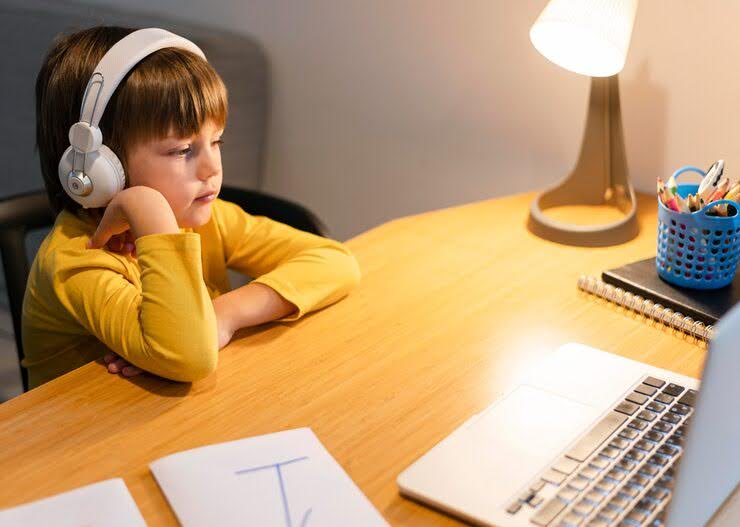
Teachers receive a brief note about distance, lighting, and breaks during big assignments so classroom habits mirror home wins. This coordination ensures consistency across settings, helping the child apply the same mindful routines in school and reinforcing positive learning behaviors both at home and in the classroom.
Calendars, Checkpoints, and When to Call
Add outdoor-minutes goals and bedtime to a shared calendar to ensure healthy routines are visible and actionable. Protect these commitments during exam weeks by swapping nonessential screen time rather than reducing sleep. Color-code major due dates so you can front-load outdoor time and plan shorter study blocks, keeping both wellness and academics balanced. Visual cues make it easier to see where adjustments fit, helping children take ownership of their schedule while supporting Myopia Management goals.
If comfort or clarity dips for three days, contact us and bring logs to refine the plan. Photos of the desk and screen settings help the team spot quick wins and make targeted adjustments. Early coaching prevents friction and supports steady Myopia Management between visits, ensuring habits stay effective without adding stress. Regular check-ins help identify challenges before they become setbacks, keeping the child on track with healthy visual routines.
Before travel or camps, map a lighter routine that maintains distance anchors, break cadence, and a set bedtime. Pack a stand, lamp, and printed card to keep habits familiar even in new environments. After the trip, resume the full flow with a Sunday reset and a fresh tracker, reinforcing the same patterns that support both vision health and overall wellbeing.
Clear checkpoints keep families moving forward without stress. Consistency beats intensity every time, and small course-corrections preserve momentum with your Houston pediatric optometrist team. By integrating thoughtful planning, timely adjustments, and visual cues, families can maintain routines that protect vision while supporting academic success, confidence, and daily balance.
Frequently Asked Questions for Parents
How much outdoor time is enough? Aim for 1–2 hours when possible, but even 30–60 minutes after school makes a meaningful difference. Regular outdoor minutes help protect eye health and provide a mental break from near work. Making outdoor time a consistent part of the daily routine builds ownership and encourages healthy habits in children.
Are blue-light filters required? They can be helpful for comfort, but distance, breaks, lighting, and sleep matter far more. Prioritizing these core habits ensures sustainable eye care, reduces strain, and supports long-term vision health. Relying only on screen modifications without addressing fundamental routines is less effective.

How much outdoor time is enough? Aim for 1–2 hours when possible, but even 30–60 minutes after school makes a meaningful difference. Regular outdoor minutes help protect eye health and provide a mental break from near work. Making outdoor time a consistent part of the daily routine builds ownership and encourages healthy habits in children.
Are blue-light filters required? They can be helpful for comfort, but distance, breaks, lighting, and sleep matter far more. Prioritizing these core habits ensures sustainable eye care, reduces strain, and supports long-term vision health. Relying only on screen modifications without addressing fundamental routines is less effective.
Can teens manage their own logs? Yes—weekly spot-checks are enough. If grades slip, keep breaks and bedtime intact and trade discretionary screen time, not rest. This approach maintains consistent routines, reinforces responsibility, and supports steady Myopia Management while safeguarding sleep and overall wellness.
Simple One-Page Evening Routine Plan
Post the flow where everyone sees it: snack/water → outdoor light → study blocks with breaks and proper distance → wind-down → bedtime. If three off-nights happen, shorten tomorrow’s plan, raise the stand, enlarge text, and regroup on Sunday with a fresh tracker. Simple, predictable routines keep eyes comfortable and grow on target—without nightly battles. Consistency in routines helps children maintain focus, protects vision, and reinforces healthy habits that are easy to follow at home.
For individualized guidance or school notes, please contact us at Kleinwood Vision. Our team ties home habits to clinic findings from Pediatric Eye Exams and Comprehensive Eye Exams so your plan works on real school nights. With clear strategies and tailored support, families can confidently maintain routines that safeguard eye health while supporting learning and overall wellbeing.
Contact Info
Hours of Operation
Mon - Fri | 9:00 AM - 5:00 PM
Sat - Sun | Closed
Holiday Hours: We are closed for the following holidays: New Years Day, Memorial Day, Independence Day, Labor Day, Thanksgiving Day, Christmas Day
The information provided on this website is for general informational purposes only and does not constitute professional medical advice, diagnosis, or treatment. Always seek the guidance of a licensed eye care professional or qualified health provider with any questions you may have regarding a medical condition or vision concern. Results from eye care services may vary by individual.
© 2026 Kleinwood Vision. All rights Reserved.