
Kids Eye Care
Accommodative Spasm in Kids Explained

FSDAVCFEBFEVSDDVFSD
FSDAVCFEBFEVSDDVFSD

FSDAVCFEBFEVSDDVFSD
Why Kids Get Focusing Spasms
Accommodative spasm in kids occurs when the eye’s focusing system works too hard for long periods and struggles to relax afterward. Children often spend hours on tablets, homework, reading, or gaming with few breaks and very close viewing distance. Over time, the focusing muscle may stay engaged even when the child looks up, causing blurred distance vision after screens and tired, tight eyes.
Because these symptoms can resemble sudden myopia, parents should schedule an eye exam before myopia treatment. During a comprehensive eye exam Houston families trust, the doctor evaluates how the eyes focus, coordinate, and recover from near work to ensure temporary blur is not mistaken for permanent nearsightedness.
Accommodative spasm in kids occurs when the eye’s focusing system works too hard for long periods and struggles to relax afterward. Children often spend hours on tablets, homework, reading, or gaming with few breaks and very close viewing distance. Over time, the focusing muscle may stay engaged even when the child looks up, causing blurred distance vision after screens and tired, tight eyes.
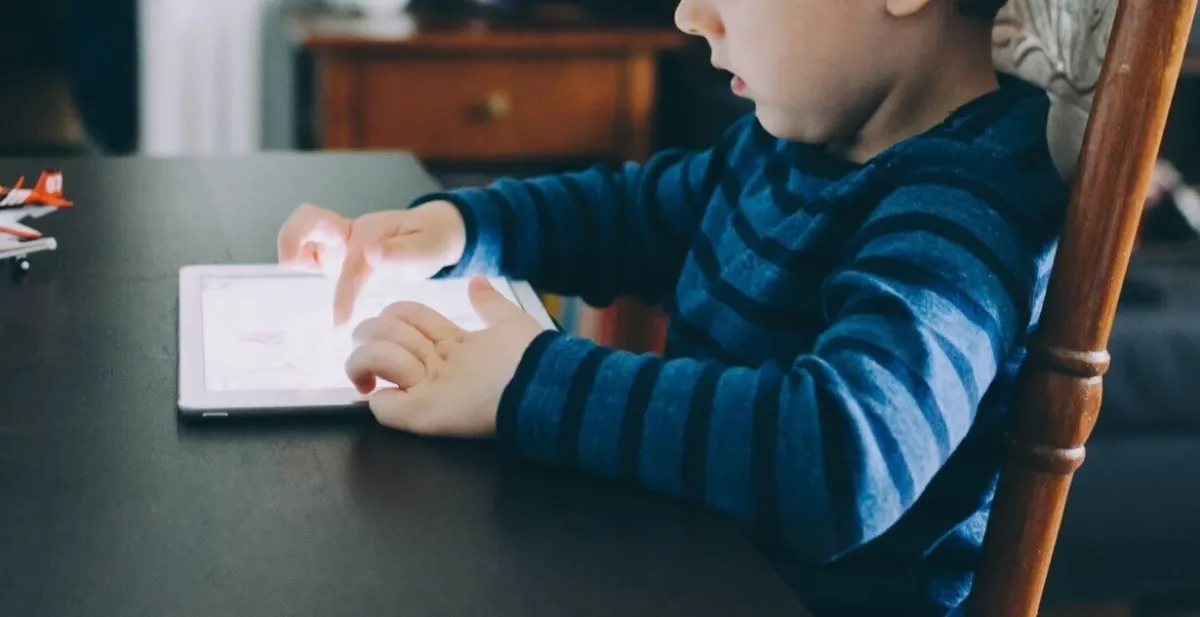
Because these symptoms can resemble sudden myopia, parents should schedule an eye exam before myopia treatment. During a comprehensive eye exam Houston families trust, the doctor evaluates how the eyes focus, coordinate, and recover from near work to ensure temporary blur is not mistaken for permanent nearsightedness.
What a Spasm Evaluation Includes
An accommodative spasm evaluation begins with standard vision testing and refraction to determine what prescription provides the clearest distance and near vision. The doctor will ask about your child’s screen habits, recent schedule changes, and when symptoms began. Often, the pattern of symptoms—such as blurred distance vision after screens or long homework sessions—helps identify the trigger. Parents may also discuss past glasses use, contact lenses, and family history of nearsightedness to give the doctor a clearer understanding of the child’s visual history.
Next, the exam evaluates focusing strength and binocular vision. Accommodation testing measures how strongly the eyes focus up close and how easily they relax to see distant objects again. Alignment and convergence testing determine whether the eyes are working too hard together, which can contribute to eye strain in children, headaches, or words appearing to move while reading.
If findings suggest a focusing spasm, cycloplegic refraction may be recommended. These medicated drops temporarily relax the focusing muscle so the doctor can measure the child’s true prescription. This helps distinguish accommodative spasm in kids from early myopia and supports accurate myopia management evaluation.
Symptoms Parents Often Notice First
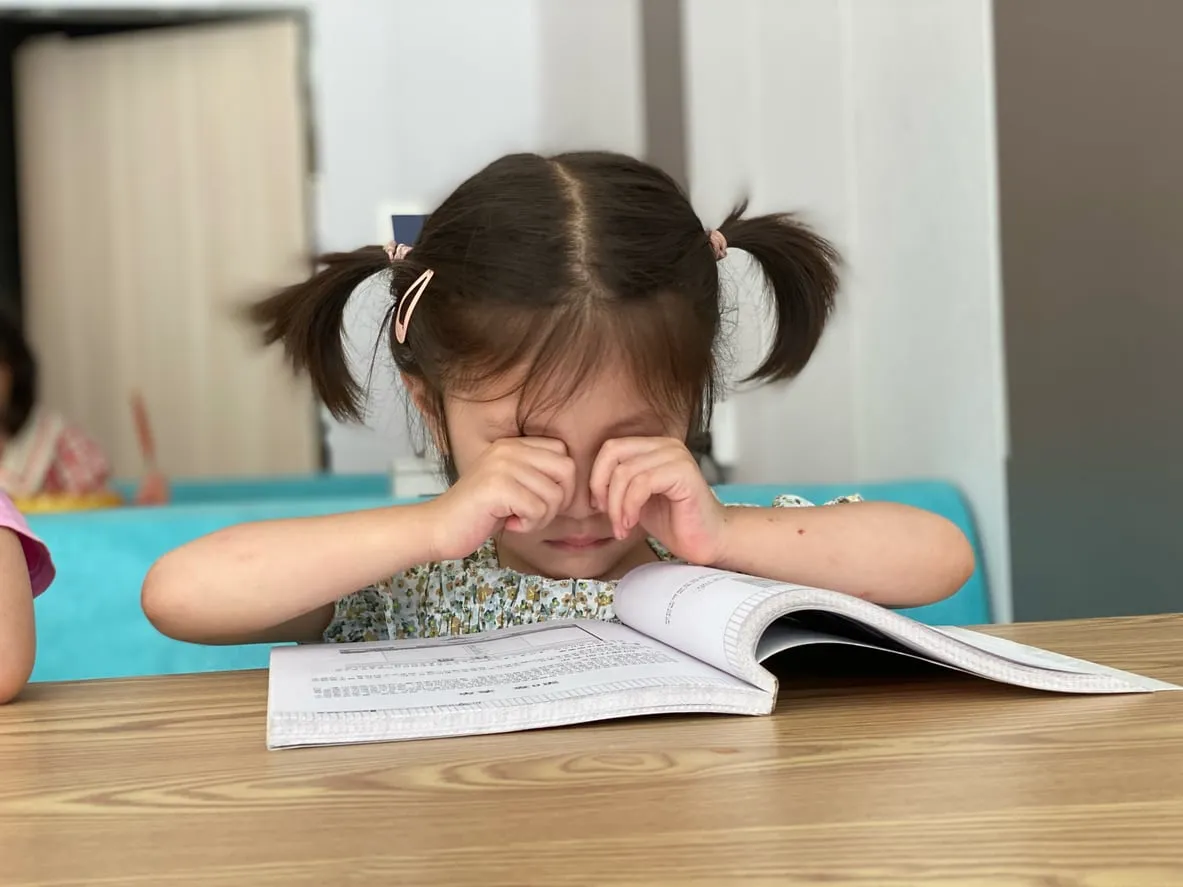
Parents often notice the first clues during school or homework routines. A child may suddenly say they cannot see the classroom board clearly even though their vision seemed normal recently. Other common signs include squinting at the television, rubbing the eyes often, or complaining of tired eyes after reading. Some children lean closer to their books or screens and blink repeatedly to clear their vision.
Teachers may observe the child copying more slowly from the board, losing their place while reading, or appearing less focused later in the day.
Intermittent double vision, closing one eye, or difficulty shifting focus from a page to the front of the room can also occur. Because these symptoms overlap with refractive errors, parents should arrange an eye exam before myopia treatment to determine whether the issue is a temporary focusing spasm or true myopia progression.
If accommodative spasm in kids is confirmed, many children improve with a simple reset plan. Doctors often recommend short-term strategies such as guided visual breaks, better reading posture, and occasionally temporary lenses for certain tasks. Addressing allergies or dryness can reduce irritation that encourages eye rubbing and worsens fluctuating vision. Many families notice improvement quickly once daily routines are adjusted. Early intervention helps prevent prolonged strain and supports clearer distance vision after near work.
At home, parents can support recovery by ensuring good lighting and encouraging a comfortable working distance from books and screens. The 20-20-20 rule works well for children: every 20 minutes, look at something 20 feet away for 20 seconds. Outdoor play helps because distance viewing naturally relaxes the focusing system. Reducing screen use before bedtime and maintaining consistent sleep habits can stabilize vision over the following weeks, making the reset plan more effective and supporting long-term eye health.
When It’s More Than Spasm
Sometimes accommodative spasm is only part of the problem. If a child’s distance vision remains blurry even after the focusing muscle is relaxed during testing, true myopia, astigmatism, or significant farsightedness may also be present. Signs such as constant squinting, needing to sit closer in class, or blur that appears first thing in the morning may suggest a lasting refractive change rather than temporary focusing strain.
When this occurs, a myopia management evaluation helps determine the best long-term plan. Your optometrist reviews family history, compares previous prescriptions, and considers lifestyle factors such as screen habits and outdoor activity. Monitoring eye growth and prescription changes allows doctors to recommend correction methods that support both clear vision today and healthy visual development during childhood.
Screen Habits That Trigger Spasm
Short working distance is a common trigger of a focusing spasm. When a child holds a tablet or book very close, the focusing system works harder for longer periods. Over time, the muscle may stay engaged even when the child looks across the room, causing temporary distance blur.
Frequent switching between devices—like moving from phone to laptop to television—prevents the eyes from fully relaxing. Combined with dim lighting, poor posture, and limited breaks, this strain contributes to eye fatigue and difficulty shifting focus between near and far tasks.
Short working distance is a common trigger of a focusing spasm. When a child holds a tablet or book very close, the focusing system works harder for longer periods. Over time, the muscle may stay engaged even when the child looks across the room, causing temporary distance blur.
Frequent switching between devices—like moving from phone to laptop to television—prevents the eyes from fully relaxing. Combined with dim lighting, poor posture, and limited breaks, this strain contributes to eye fatigue and difficulty shifting focus between near and far tasks.
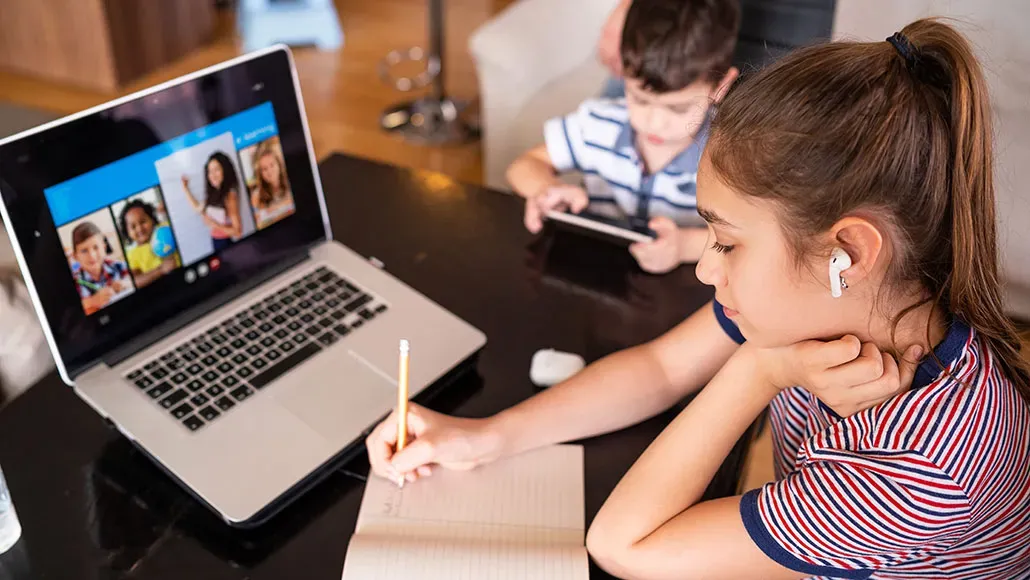
Parents can help by encouraging an arm’s-length screen distance, proper lighting, and regular breaks. Outdoor play and consistent sleep routines help the visual system reset. These habits support healthy focusing and complement myopia management if nearsightedness develops later.
What Happens After the Diagnosis
Treatment for accommodative spasm in kids usually begins by confirming stable measurements and reducing the triggers that caused the focusing spasm. Your optometrist may recommend a short “reset” period that includes improved screen habits, greater working distance, and regular visual breaks. Many children notice significant improvement once the focusing muscle has time to relax, helping reduce temporary distance blur and eye fatigue.
If additional support is needed, temporary lenses may be prescribed for specific activities such as reading or classroom viewing. These lenses reduce focusing demand while the visual system recovers. Simple school adjustments—like sitting closer to the board or using larger text—can also help during recovery. Managing dryness or allergies may be included in the treatment plan to prevent irritation that worsens fluctuating vision.
Follow-up visits are important to confirm that symptoms improve and the prescription remains stable. Doctors may recheck refraction and focusing ability after a few weeks. If cycloplegic refraction was performed, results are compared with standard measurements to determine whether the accommodative spasm in kids is resolving. Keeping notes about headaches, screen hours, or reading comfort can help guide the discussion during rechecks.
If true myopia is present, the appointment may transition into long-term myopia management planning. Parents should leave with clear guidance on home routines, monitoring schedules, and warning signs that require earlier evaluation. Severe pain, sudden vision loss, or a very red eye should always be assessed promptly, although these symptoms are not typical of accommodative spasm in kids.
Questions for Your Child’s Eye Doctor
Parents should ask what likely triggered the focusing spasm and which daily habits will make the biggest difference. A clear plan—how often to take breaks, how far screens should be held, and strategies for long homework sessions—helps families stay consistent at home. It’s also useful to know what improvements to expect so progress can be monitored.
Another important question is whether cycloplegic refraction is recommended and what to expect afterward. Understanding how long light sensitivity or near blur might last helps plan school and activities. If glasses are prescribed, parents should clarify whether they are for full-time wear or only certain tasks to support recovery.
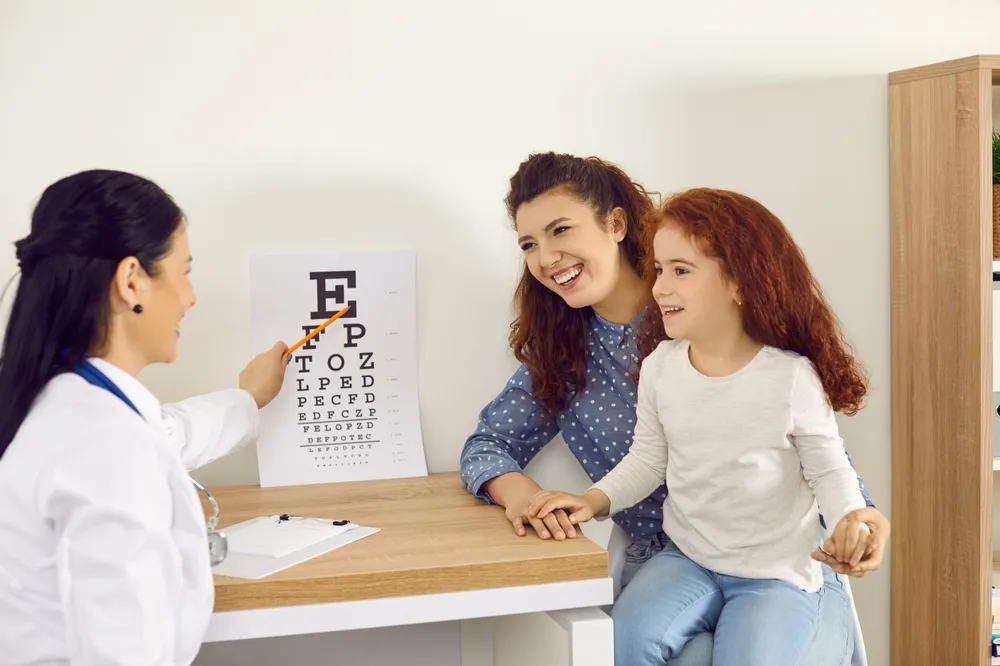
Parents should ask what likely triggered the focusing spasm and which daily habits will make the biggest difference. A clear plan—how often to take breaks, how far screens should be held, and strategies for long homework sessions—helps families stay consistent at home. It’s also useful to know what improvements to expect so progress can be monitored.
Another important question is whether cycloplegic refraction is recommended and what to expect afterward. Understanding how long light sensitivity or near blur might last helps plan school and activities. If glasses are prescribed, parents should clarify whether they are for full-time wear or only certain tasks to support recovery.
Finally, parents may discuss long-term vision monitoring. If myopia is present, the doctor can explain follow-up schedules and warning signs for earlier evaluation. Even without myopia, learning preventive habits helps reduce the chance of future focusing problems in kids.
Your Next Steps for Clear Vision
If your child has new distance blur, headaches after screen use, or difficulty shifting focus, scheduling a comprehensive eye exam for kids Houston families rely on is the best first step. Bring your child’s current glasses, previous prescriptions if available, and notes about when symptoms appear—whether after homework, during school, or late in the evening. Reducing marathon screen sessions for a few days before the visit can also help stabilize measurements.
Following any preparation instructions before the appointment ensures accurate results, especially if dilation or focusing tests are planned. With a clear diagnosis, Kleinwood Vision can recommend practical changes and determine whether a myopia management evaluation is necessary. Many families are relieved to learn that a simple routine reset combined with follow-up care restores comfortable vision for school, sports, and daily activities. If you need help scheduling an appointment or discussing symptoms, Contact us for guidance and support.
Contact Info
Hours of Operation
Mon - Fri | 9:00 AM - 5:00 PM
Sat - Sun | Closed
Holiday Hours: We are closed for the following holidays: New Years Day, Memorial Day, Independence Day, Labor Day, Thanksgiving Day, Christmas Day
The information provided on this website is for general informational purposes only and does not constitute professional medical advice, diagnosis, or treatment. Always seek the guidance of a licensed eye care professional or qualified health provider with any questions you may have regarding a medical condition or vision concern. Results from eye care services may vary by individual.
© 2026 Kleinwood Vision. All rights Reserved.