
Contact Safety
Slept in Contacts: A Safe Recovery Plan

FSDAVCFEBFEVSDDVFSD
FSDAVCFEBFEVSDDVFSD

FSDAVCFEBFEVSDDVFSD
Why Sleeping in Contacts Is Risky
If you accidentally slept in contacts, your cornea received less oxygen overnight. Contact lenses already limit oxygen flow, and closed eyelids further reduce circulation while trapping heat, debris, and bacteria. Even one night can cause surface stress, mild swelling, and dryness, leaving the eye more vulnerable to irritation or infection. Lenses that felt comfortable before bed can suddenly feel painful, gritty, or overly bright in the morning.
Most situations are mild and recover with prompt care, but it’s safest to treat the event as a potential injury. Sleeping in lenses increases infection risk and may cause a corneal abrasion. A calm, structured response helps protect your vision.
If you accidentally slept in contacts, your cornea received less oxygen overnight. Contact lenses already limit oxygen flow, and closed eyelids further reduce circulation while trapping heat, debris, and bacteria. Even one night can cause surface stress, mild swelling, and dryness, leaving the eye more vulnerable to irritation or infection. Lenses that felt comfortable before bed can suddenly feel painful, gritty, or overly bright in the morning.
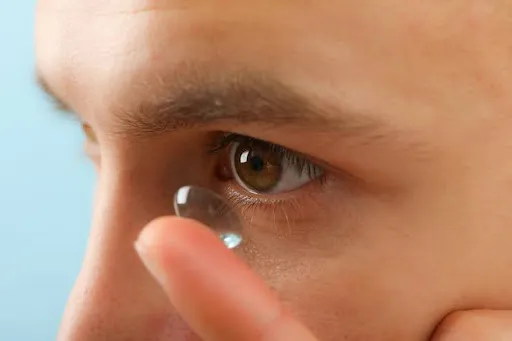
Most situations are mild and recover with prompt care, but it’s safest to treat the event as a potential injury. Sleeping in lenses increases infection risk and may cause a corneal abrasion. A calm, structured response helps protect your vision.
Immediate Steps When You Wake Up
If you slept in contact lenses, what to do first is avoid pulling them out if they feel stuck. Wash and dry your hands thoroughly. Apply preservative-free artificial tears and wait several minutes so the lens can rehydrate and loosen. Blink gently and move your eyes side to side. Once the lens slides easily, remove it carefully and discard it for safety rather than attempting to reuse it.
After removal, rinse the eye with sterile saline or lubricating drops and switch to glasses for the rest of the day. Avoid redness-reliever drops because they can mask symptoms and worsen dryness. Do not rub the eye, and skip makeup until the surface feels normal. Strong light sensitivity, heavy tearing, or a persistent gritty sensation should be treated as warning signs.
Over the next 24 hours, follow a safe contact lens recovery plan. Use preservative-free lubricating drops every few hours, limit screen time, and avoid pools, hot tubs, or dusty environments. A cool compress over closed lids can calm irritation. If pain increases, discharge appears, vision worsens, or you notice a white or gray spot on the cornea, seek same-day evaluation from an eye doctor Houston contact lens emergency provider.
How to Tell If Your Eyes Are Okay
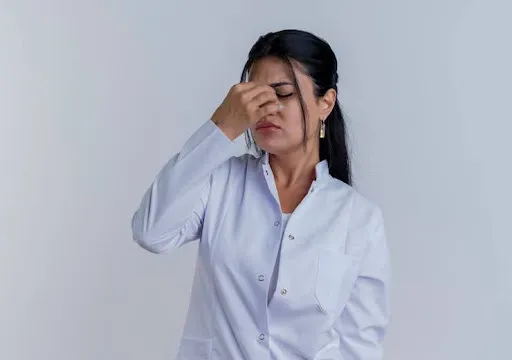
Reassuring signs include mild redness that improves within several hours, comfort returning after lubrication, and stable vision while wearing glasses. Your eye should feel progressively better during the day, not increasingly irritated. It should tolerate normal indoor lighting without excessive squinting, and blinking should not worsen discomfort. Many patients return to baseline by the next morning when proper care steps are followed, such as using lubrication drops, resting the eyes, and avoiding extended lens wear.
Concerning symptoms include worsening light sensitivity, persistent tearing, thick discharge, or blur that does not clear with blinking.
A sharp “something in the eye” sensation with significant pain may indicate a corneal abrasion from contacts. Any symptoms that worsen after 6–8 hours require prompt evaluation. If you cannot comfortably open the eye or see a white spot on the cornea, avoid lens wear and call for urgent care.
Even if symptoms improve quickly, take a full contact lens holiday for at least 24 hours, or longer if discomfort was significant. Replace the lens you slept in and consider replacing the case, since bacterial biofilm can linger and increase the risk of infection. Confirm your solution is not expired, and do not extend lens replacement schedules to “make up” for missed days. Proper hygiene and adherence to replacement schedules help protect your cornea and reduce the chance of recurrent irritation or complications.
Avoid self-treating with leftover antibiotic or steroid drops unless directed during an eye exam. These medications can mask infection or worsen certain conditions. If you feel uncertain about healing progress, schedule a corneal check before restarting lens wear. Kleinwood Vision can confirm that your cornea is healthy and ready for safe use again. Following these steps ensures your eyes recover fully and lens wear remains comfortable and safe.
When You Should Call Your Eye Doctor
Call the same day if pain is moderate to severe, light causes discomfort, or vision is blurry even in glasses. These signs may indicate infection or a corneal abrasion from contacts. Redness that spreads or irritation worsening hour by hour should not be ignored. Early evaluation significantly lowers contact lens infection risk and helps protect long-term vision. Prompt attention allows your eye care provider to assess and treat problems before they escalate.
Seek urgent care immediately if you see a white or gray corneal spot, cannot keep the eye open, or notice rapidly worsening symptoms. Explain that you accidentally slept in contacts and have removed them. Bring your lenses or solution brand information if possible. Acting quickly ensures safe treatment, reduces complications, and supports proper healing, helping your eyes recover fully and safely for future lens wear.
Safe Restart Rules for Lens Wear
Restart lens wear only when your eye feels completely normal—no pain, minimal redness, and clear vision in glasses. If symptoms were significant, wait for confirmation during an eye exam before resuming wear. Restarting too early can reopen microscopic surface damage and delay recovery.
When you resume, use a brand-new lens and a fresh case. Shorten wear time on the first day and gradually increase duration over several days. Use preservative-free rewetting drops as needed and avoid swimming or showering in lenses during the first few days back. Stop immediately if stinging or light sensitivity returns.
Restart lens wear only when your eye feels completely normal—no pain, minimal redness, and clear vision in glasses. If symptoms were significant, wait for confirmation during an eye exam before resuming wear. Restarting too early can reopen microscopic surface damage and delay recovery.
When you resume, use a brand-new lens and a fresh case. Shorten wear time on the first day and gradually increase duration over several days. Use preservative-free rewetting drops as needed and avoid swimming or showering in lenses during the first few days back. Stop immediately if stinging or light sensitivity returns.

Avoid overnight wear unless specifically prescribed. Strictly follow replacement schedules and hygiene guidelines. Healthy routines after a slip-up are the best defense against future complications.
Preventing It From Happening Again
Accidental sleep in contact lenses often follows routine disruptions—late nights, travel, illness, or quick naps. To prevent this, create reminders that add accountability. Set a nightly phone alarm labeled “lenses out,” keep a case and solution near your bed, and place your glasses where you will see them before sleeping. Simple visual cues can help you build a consistent nightly routine and reduce the risk of accidental lens wear.
Strengthening hygiene habits ensures that one mistake does not compound risk. Wash and dry hands thoroughly before handling lenses, replace your case monthly, and never top off old solution. Keep the case open to air-dry between uses. Never expose lenses to water, including showers or swimming, as water increases infection risk and can compromise the cornea. Proper hygiene protects your eyes even if an occasional lapse occurs.
Be aware of personal risk factors. Dry eye, allergies, and extended screen time can reduce comfort late in the day, increasing the likelihood of dozing off in lenses. Switching to glasses earlier in the evening can reduce the temptation to “push through.” If accidental overnight wear happens frequently, discuss options during your next contact lens fittings visit to explore safer modalities and strategies tailored to your lifestyle.
Daily disposables may reduce contamination risk because they eliminate storage steps. Keeping a small backup kit—glasses, a spare case, and lubricating drops—can also prevent accidental overnight wear. Consistent preventive habits, including hygiene, reminders, and backups, protect your eyes long-term, ensuring comfort, safety, and healthy vision.
Questions After Sleeping in Contacts
Ask your provider whether there is any corneal staining or abrasion from contacts after the incident. If present, clarify how long to avoid lens wear and which symptoms would require urgent reevaluation. Also ask whether temporary swelling could affect night driving or screen tolerance, so you can safely plan daily activities.
Discuss prevention strategies. Is your current lens type appropriate, or would daily disposables reduce contact lens infection risk? If dryness contributed, request a simple comfort plan to improve end-of-day wear so fatigue does not lead to accidental sleep. These strategies help protect your eyes and prevent repeat episodes.
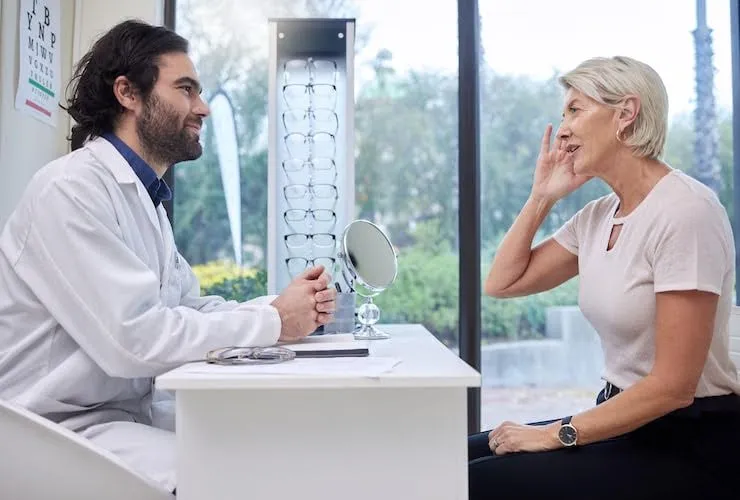
Ask your provider whether there is any corneal staining or abrasion from contacts after the incident. If present, clarify how long to avoid lens wear and which symptoms would require urgent reevaluation. Also ask whether temporary swelling could affect night driving or screen tolerance, so you can safely plan daily activities.
Discuss prevention strategies. Is your current lens type appropriate, or would daily disposables reduce contact lens infection risk? If dryness contributed, request a simple comfort plan to improve end-of-day wear so fatigue does not lead to accidental sleep. These strategies help protect your eyes and prevent repeat episodes.
Finally, confirm which preservative-free drops and cleaning solutions are best for your lenses. Ask how often to replace your case and whether to discard remaining lenses in the current pack. Clear guidance transforms a stressful experience into a safer, more manageable routine.
Quick Recovery Checklist for Today
Today: Remove and discard the slept-in lens, switch to glasses, and apply preservative-free lubricating drops every few hours. If the lens feels stuck, rehydrate it before removal and never force it out. Avoid rubbing the eye, skip makeup, and stay away from pools or dusty areas. Use a cool compress for comfort and carefully monitor any changes in pain, redness, or vision. These steps help reduce irritation and protect your cornea after accidental overnight wear.
Tomorrow: If the eye feels calm and vision is clear, continue your contact lens holiday for another day, replacing your case and solution. Restart only with a fresh lens and shorter wear time. If symptoms worsen at any point, contact us for guidance or schedule an evaluation at Kleinwood Vision. Early reassurance and prompt care protect your sight and ensure a safe return to comfortable lens wear.
Contact Info
Hours of Operation
Mon - Fri | 9:00 AM - 5:00 PM
Sat - Sun | Closed
Holiday Hours: We are closed for the following holidays: New Years Day, Memorial Day, Independence Day, Labor Day, Thanksgiving Day, Christmas Day
The information provided on this website is for general informational purposes only and does not constitute professional medical advice, diagnosis, or treatment. Always seek the guidance of a licensed eye care professional or qualified health provider with any questions you may have regarding a medical condition or vision concern. Results from eye care services may vary by individual.
© 2026 Kleinwood Vision. All rights Reserved.